Eating well is often presented as a matter of getting everything right: choosing the ideal foods, following a perfect meal schedule and never giving in to convenience. Real life rarely cooperates. Women balance work, family, pregnancy, changing routines and countless daily responsibilities, so nutrition needs to be practical rather than perfect. Even simple choices, such as keeping protein rich biscuits for pregnancy available for a convenient snack, can fit into a broader balanced eating pattern. What matters most is not one flawless meal, but the habits that gradually become part of everyday life.
Nutrition Is a Pattern, Not a Single Meal
One nutritious meal cannot make up for weeks of poor eating, just as an occasional indulgent snack does not undo an otherwise balanced diet. Nutrition is shaped by patterns repeated over time. This is why consistency matters more than perfection. Regularly including vegetables, fruits, whole grains, protein sources, healthy fats and enough fluids can help build a reliable nutritional foundation.
Missing breakfast occasionally or enjoying a restaurant meal does not erase those efforts. Pursuing perfect eating can also create unnecessary pressure. When strict routines become difficult to maintain, they may be abandoned. A flexible approach makes it easier to return to healthy habits.
Why Small Choices Can Make a Big Difference
Consistency does not necessarily mean preparing elaborate meals every day. It can begin with small decisions that are realistic enough to repeat.
For example, a woman might:
- Add a protein source to breakfast.
- Keep fruit or nuts available for quick snacks.
- Drink water regularly throughout the day.
- Include different coloured vegetables across meals.
- Choose convenient foods after checking their ingredients and nutrition information.
- Maintain reasonably regular meal timings when possible.
Simple habits gain value through repetition. A consistent breakfast may be more sustainable than an ambitious plan that quickly becomes difficult to follow. During pregnancy, appetite, cravings, nausea and energy can fluctuate. Rather than pursuing identical routines daily, women can focus on nourishing choices while considering their individual needs and professional guidance.
Making Convenience Work Without Losing Balance
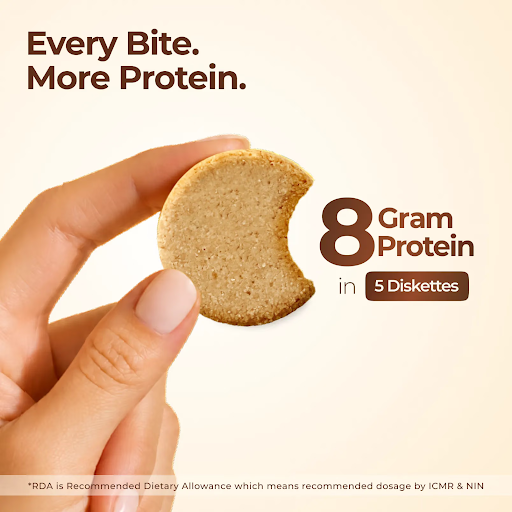
Convenience has earned an unfair reputation in nutrition conversations. A convenient food is not automatically a poor choice. The more useful question is where it fits within the overall diet. Protein biscuits may be convenient for women who need something portable between meals, particularly on busy days.
However, they should be considered alongside the rest of the diet rather than treated as a replacement for varied meals. Checking protein content, added sugars, fats, fibre, ingredients and serving size can help women make more informed choices.
The goal is not to label foods as perfect or unhealthy based solely on convenience. Instead, it is about understanding how a food contributes to the day’s nutritional picture. This mindset can make healthy eating less stressful. Rather than asking, “Did I eat perfectly today?” a better question may be, “Did most of my choices support my nutritional needs?”
Building Habits That Survive Busy Days
A nutrition routine becomes sustainable when it works on ordinary days, not just ideal ones. Consider a woman who plans elaborate meals but frequently works late. A more practical strategy might involve preparing a few ingredients in advance, keeping nutritious snacks accessible and having simple meal combinations ready.
The objective is not culinary perfection. It is reducing the number of decisions required when time and energy are limited. Habit stacking can also help. Drinking water after waking, adding fruit to breakfast, including vegetables with lunch and carrying a planned snack are small actions that can gradually become automatic.
There will still be days when routines break. Travel, celebrations, fatigue, appointments and unexpected responsibilities are part of life. Consistency means returning to familiar habits rather than trying to “make up” for every deviation.
A Better Mindset for Long-Term Women’s Nutrition
Women’s nutritional needs evolve throughout life, from adolescence and adulthood to pregnancy, breastfeeding and later years. Rather than pursuing perfect eating, focusing on practical, dependable habits offers sustainable support.
- Prioritise variety: Different foods provide different nutrients, so dietary diversity matters.
- Plan for reality: Keep convenient, nourishing options available for busy periods.
- Listen to the body: Hunger, fullness, energy and changing preferences can provide useful signals.
- Avoid all-or-nothing thinking: One less nutritious meal does not require an extreme correction.
- Seek personalised guidance: Pregnancy and certain health circumstances may require advice from a qualified healthcare professional.
This approach creates room for flexibility without abandoning nutritional quality.
How Digital Tools Can Support Consistent Habits
Technology can also make consistency easier by helping women keep track of important pregnancy milestones, routines and information in one place. A Daily Pregnancy App can provide structured support throughout pregnancy, helping users stay connected with useful reminders and pregnancy-related guidance.
Digital tools should complement, rather than replace, advice from qualified healthcare professionals. For women who find it difficult to remember appointments, milestones or everyday pregnancy information, having a central resource can reduce some of the mental load. The value lies in making useful information easier to access when needed.
Conclusion
Women’s nutrition does not need to be measured against an imaginary standard of perfection. Sustainable eating is built through ordinary choices repeated over time, including balanced meals, sensible snacks, hydration, variety and flexibility. This becomes especially important during pregnancy, when appetite, energy and routines can change quickly. Convenient foods can have a place when selected thoughtfully and included within a varied diet. Consistency also becomes easier when women have reliable resources to support their journey.
Mylo contributes to this space by offering pregnancy-focused products and digital resources designed to make everyday pregnancy care more convenient and informed. Its Mylo pregnancy app download option can further help women access useful pregnancy information and track important milestones. Ultimately, consistency leaves room for real life while encouraging healthier, more sustainable habits.