Most homeowners rarely think about their roof until a problem forces them to look up. A subtle water stain on the ceiling or a handful of asphalt granules washing down the driveway often serves as the first warning sign. By the time these symptoms appear, the barrier protecting your home has already been compromised.
Understanding the mechanics of roof failure changes the way you view your home’s most critical layer of defense. A professional roof repair is a complex process of uncovering hidden damage, restoring structural integrity, and preventing future water intrusion. This article explores the reality of roof degradation and what actually happens when professionals step in to fix the problem.
The Silent Enemy: How Roof Damage Starts
Roofs endure a relentless beating from the elements. Day after day, year after year, the materials expand and contract with fluctuating temperatures. This continuous cycle slowly breaks down the protective layers.
Weathering the Storm
Severe weather accelerates the aging process dramatically. High winds lift shingles, breaking the adhesive seal that keeps them watertight. Hail impacts bruise the asphalt, knocking away the protective granules and leaving the underlying mat exposed to ultraviolet rays. Even heavy, continuous rain can exploit microscopic vulnerabilities around vents, chimneys, and valleys. Water is incredibly persistent. It will find the path of least resistance, traveling along rafters and pooling in insulation long before you see a leak inside your living room.
The Aging Process
Even without catastrophic weather, time takes a toll. Asphalt shingles eventually become brittle. Flashing—the metal pieces installed around joints and corners—can rust or pull away from the masonry. The sealant used around pipe boots dries out and cracks. Recognizing these natural signs of aging is the first step in addressing vulnerabilities before they cause significant interior damage.
The Real Roofing Approach to Assessing Damage
When a compromised roof is suspected, an accurate diagnosis is essential. A superficial glance from the ground is never enough. Professionals rely on a systematic approach to uncover the full extent of the problem.
Surface-Level Symptoms
Inspectors start by examining the visible exterior. They look for missing, cracked, or curling shingles. They check the gutters for an excessive accumulation of roofing granules, which indicates that the shingles are reaching the end of their lifespan. They also evaluate the condition of the flashing, ensuring it remains tightly sealed against the chimney and siding.
Structural Red Flags
The true scope of a roof repair often reveals itself beneath the surface. Water that breaches the outer layer can rot the wooden decking underneath. Inspectors frequently check the attic for signs of daylight showing through the boards, damp insulation, or active mold growth. Poor ventilation in the attic space can also cause heat and moisture to build up, essentially cooking the roof from the inside out. Identifying these structural issues is a hallmark of Real Roofing expertise, ensuring that the underlying cause is fixed rather than just covering up the symptom.
The Anatomy of a Roof Repair
Once the assessment is complete, the actual repair work begins. This is a surgical process designed to seamlessly integrate new materials with the existing structure.
Triage and Containment
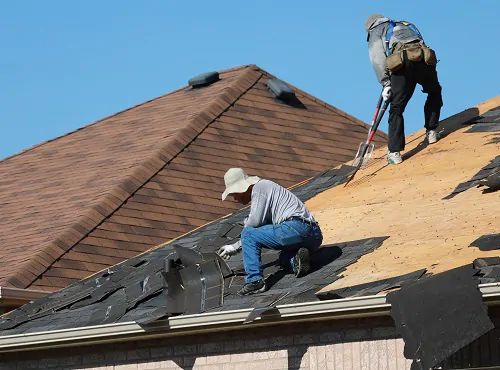
The first priority is stopping active leaks. If a storm has recently passed, professionals might apply temporary tarps to prevent further water damage while the materials are ordered. When the physical repair starts, the crew carefully removes the damaged shingles and underlayment to expose the bare decking. This containment phase is crucial to prevent debris from damaging the landscaping or falling into the home.
The Restoration Process
If the wooden decking is rotted, those sections are cut out and replaced with fresh lumber. A new waterproof underlayment, often an ice and water shield, is applied directly to the deck in vulnerable areas like valleys and eaves. Next, new flashing is integrated to ensure water is directed away from joints and walls. Finally, the new shingles are installed. The crew must carefully interweave the new shingles with the old ones, matching the color and alignment as closely as possible to maintain the home’s aesthetic appeal while restoring its watertight seal.
Frequently Asked Questions About Roof Repair
How long does a typical roof repair take?
Most targeted repairs can be completed in a single day. However, if the inspection reveals extensive wood rot or significant structural issues, the timeline may extend to a few days.
Does homeowners insurance cover roof repairs?
Insurance typically covers damage caused by sudden, unpreventable events like hail storms, fallen trees, or severe wind. It generally does not cover repairs needed due to normal wear and tear, age, or lack of maintenance.
Can a repair save a roof, or is a full replacement necessary?
If the damage is localized and the rest of the roof is in relatively good condition and within its expected lifespan, a targeted repair is highly effective. If the shingles are uniformly brittle, failing across multiple areas, or past their warranty period, a full replacement becomes the more financially sound option.
Securing Your Home’s Future
Roof Repair services are essential because ignoring a compromised roof never makes the problem disappear; it only makes the eventual solution more expensive. Water intrusion threatens your drywall, electrical systems, and the structural framing of your house. By understanding the mechanics of proper repair work, you can make informed decisions when your home needs attention. Taking proactive steps at the first sign of trouble ensures your roof continues to do its job, keeping the elements outside where they belong.