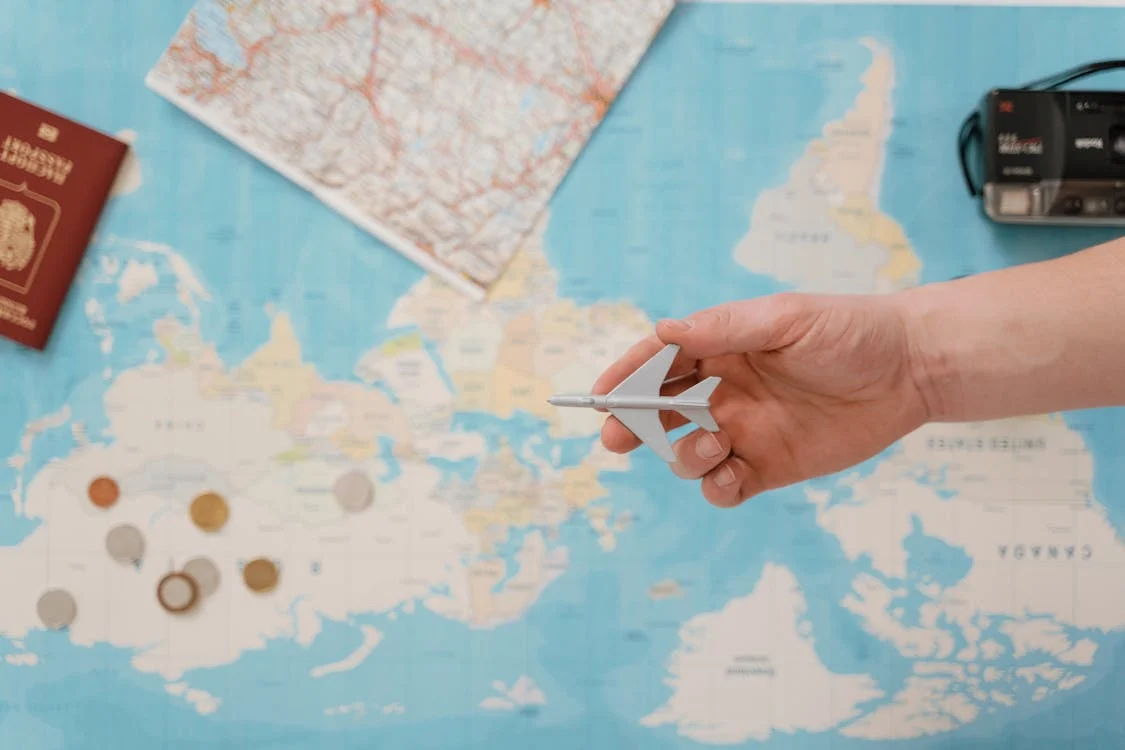
An international trip might look simple on the surface – book a flight, pack a bag, and go. But the reality feels very different once you start planning. Every smooth journey hides hours of research, decision-making, and careful coordination. From choosing the right destination to making sure your documents are in order, each step plays a role in how your trip turns out. Miss one detail, and it can affect everything from your budget to your comfort. Many travelers only see the final itinerary, not the effort behind it.
This article takes you behind the scenes and breaks down what really goes into planning an international trip, so you know exactly what to expect and how to prepare without feeling overwhelmed.
Figuring Out How to Finance Your Trip Without Stress
Budgeting is one of the most important parts of planning an international trip. Many people underestimate how quickly costs add up. Flights, accommodation, food, transport, and activities all require careful planning. Start by setting a clear spending limit and then break it down into categories. This helps you see where your money will go and where you can adjust if needed.
If your savings do not fully cover your travel plans, you can explore other options. Some travelers choose to take a personal loan to manage expenses without delaying their trip. You can even explore same day loans online, offered by trusted vendors. These can provide quick access to funds, especially if you face time-sensitive bookings. However, you should always review interest rates, repayment terms, and the credibility of the lender before making a decision.
Choosing the Right Destination Based on More Than Just Trends
It is easy to pick a destination based on social media or travel blogs, but that approach does not always lead to a satisfying trip. A place might look appealing online, yet it may not match your budget, interests, or even the time of year you plan to travel. Before deciding, take time to think about what you actually want from the trip. Some travelers look for relaxation, while others want adventure or cultural experiences. Your destination should align with those expectations.
Weather plays a major role as well. Visiting during the wrong season can limit activities or make the experience uncomfortable. When you consider these factors early, you avoid unnecessary complications later and choose a destination that fits your needs instead of just following trends.
Sorting Out Passports, Visas, and Entry Requirements
Without the right paperwork, even the best-planned itinerary can fall apart. Check your passport well in advance to ensure it remains valid for at least six months beyond your travel dates, as many countries require this.
Visa requirements vary depending on your destination and nationality. It is important to verify official information through reliable sources instead of relying on outdated advice. Keep both digital and printed copies of important documents so you can access them easily if needed. Taking care of these details early prevents last-minute stress and ensures a smooth entry process.
Finding Accommodation That Matches Your Travel Style
Accommodation affects both comfort and overall experience. The right choice depends on your travel style and priorities. Some travelers prefer hotels for convenience and services, while others choose short-term rentals for more space and flexibility. Hostels can also work well for those who want a budget-friendly option and a social environment.
Instead of relying only on ratings, read recent reviews to understand what to expect. Look for comments about cleanliness, safety, and location. A well-located place can save time and transport costs, especially if it is close to major attractions or public transport. It also helps to check cancellation policies in case your plans change.
Planning Daily Activities Without Overloading Your Schedule
Once your destination and bookings are in place, it feels tempting to fill every day with activities. Many travelers create packed itineraries to make the most of their time, but this often leads to fatigue instead of enjoyment. A better approach involves choosing a few key experiences for each day and leaving space in between.
Start by listing the places and activities that matter most to you. Prioritize them, then spread them out across your schedule. This keeps your days balanced and gives you time to rest or explore without pressure. It also allows room for unexpected moments, such as discovering a local café or attending an event you did not plan for. A flexible plan often leads to a more enjoyable trip than a rigid one.
Managing Currency, Payments, and Banking Access
Handling money in a foreign country requires preparation. Each destination uses a different currency, and exchange rates can affect how far your budget goes. Before you travel, check the current rates and decide how much cash you will need for your first few days.
You should also inform your bank about your travel dates. This helps avoid issues with card transactions being flagged as unusual activity. Carry a mix of payment options, including cash and at least one international card, so you have backup if one method fails. Some countries rely heavily on cash, while others prefer digital payments, so it helps to research this in advance. When you manage your finances properly, you reduce the risk of disruptions during your trip.
Packing Smart Based on Destination and Duration
Packing may seem simple, but it plays a key role in how comfortable your trip feels. Many travelers either overpack or forget essential items. A better approach involves planning outfits based on your destination’s weather and your planned activities.
Choose versatile clothing that you can mix and match instead of carrying too many items. Keep important documents, medications, and valuables in your carry-on bag so they stay accessible at all times. It also helps to check airline baggage rules to avoid extra fees.
An international trip does not come together by chance. Every smooth journey reflects careful planning, thoughtful choices, and attention to detail. When you understand what happens behind the scenes, you gain more control over your plans. You stop reacting to problems and start preventing them. That shift makes travel feel less stressful and more rewarding.