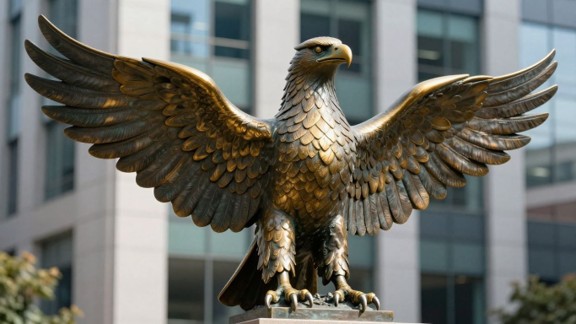
Freedom and Independence
The eagle, with its majestic flight across vast skies, has long been a potent symbol of freedom and independence. Its ability to soar high above the earth naturally evokes a sense of liberty and the breaking of limitations. This association is particularly strong in places like the United States, where the bald eagle is a national emblem, immediately bringing to mind the spirit of self-determination.
This powerful imagery makes an eagle statue a compelling representation of personal liberty. It speaks to the desire to rise above challenges and live without constraint. The sheer presence of an eagle statue can serve as a constant reminder of these ideals, inspiring a sense of autonomy and self-reliance.
Strength and Power
As formidable birds of prey, eagles embody raw strength and commanding power. Their sharp talons, keen eyesight, and hunting prowess make them natural symbols of dominance and capability. This is why eagle statues are often chosen for significant installations, projecting an image of confidence and might.
An eagle statue can communicate a sense of unyielding force and resilience. It represents the ability to overcome obstacles through sheer determination. The visual impact of an eagle, especially in materials like bronze, adds to this perception of enduring strength and authority.
Courage and Victory
Eagles are also deeply connected to courage, triumph, and the spirit of heroism. Across many cultures, they represent the fortitude needed to face adversity and the honor that follows success. This makes eagle statues a fitting choice for memorials and places of tribute.
These sculptures can symbolize the bravery required to achieve great things and the lasting recognition of victory. An eagle statue in such a context honors sacrifice and celebrates the spirit of overcoming. It stands as a testament to the courage found in both personal battles and collective achievements.
Eagle Statues as Emblems of Leadership and Vision
Authority and Command
Eagle statues often stand for leadership. Think about how an eagle rules the sky. It’s a natural leader. When you see an eagle statue, it can make you think of someone in charge, someone with authority. It’s like a symbol of command, showing that the person or place it represents is strong and in control. This makes eagle statues a good choice for places that need to show power and respect.
Foresight and Wisdom
Eagles have amazing eyesight, right? They can see things from way up high that others can’t. This is why eagle statues are linked to foresight and wisdom. They represent the ability to see ahead, to plan, and to make smart choices. An eagle statue can remind us to look beyond the immediate and think about the future. It’s about having a clear vision, not just being powerful.
Noble Leadership
Putting up an eagle statue isn’t just about showing off power; it’s often about showing noble leadership. It suggests a leader who is not only strong but also fair and has good intentions. This kind of leadership inspires trust and respect. An eagle statue can represent someone who guides others with integrity and a clear sense of purpose, making it a symbol of admirable leadership.
Guardianship and Spiritual Significance of Eagle Statues
Protection and Vigilance
Eagle statues often stand as silent sentinels, embodying a powerful sense of guardianship. Their keen eyes and commanding presence suggest a watchful protector, making them ideal for entrances, gates, or important buildings. This symbolism of protection is deeply ingrained, offering a feeling of security and watchfulness over a space. The eagle’s alert posture in many statues reinforces this idea of constant vigilance.
Spiritual Elevation and Divine Connection
Because eagles soar to great heights, they are frequently linked to spiritual ascent and a connection to the divine. They represent the soul’s upward journey, bridging the earthly and the celestial. An eagle statue can thus symbolize a higher plane of understanding or a link to something greater than oneself. This spiritual dimension adds a profound layer to the statue’s meaning.
Symbolic Guardianship
Beyond mere decoration, an eagle statue acts as a symbolic guardian. It represents not just physical protection but also a steadfast presence that watches over and preserves. This concept of symbolic guardianship is why these statues are often found in places of honor or importance. The enduring image of the eagle offers a sense of lasting security and respect, a constant reminder of vigilance and care.
Cultural Interpretations of Eagle Statues
American National Pride
In the United States, the eagle statue is more than just a sculpture; it’s a potent symbol of national identity. The bald eagle, as the country’s emblem, brings with it a powerful association with freedom, independence, and courage. When you see an eagle statue, especially in public spaces, it often evokes a sense of patriotism and pride in the nation’s ideals. It’s a visual reminder of the spirit that founded the country.
This connection to national pride means that eagle statues are frequently found in government buildings, memorials, and civic spaces. They serve as a constant, visible representation of the nation’s strength and its commitment to liberty. The presence of an eagle statue in these locations reinforces the values the country stands for, making it a deeply ingrained symbol for many Americans.
The eagle statue, in its American context, is a declaration of enduring values. It speaks to resilience, the pursuit of freedom, and the collective spirit of a nation. It’s a symbol that unifies and inspires, carrying a weight of history and aspiration.
East Asian Ambition and Endurance
Across East Asia, particularly in China, the eagle statue carries a different, yet equally powerful, set of meanings. Here, the eagle often symbolizes bravery, ambition, and a sharp, discerning vision. It’s associated with the drive to achieve lofty goals and the strength required to persevere through challenges. Think of it as a symbol for those who aim high and work tirelessly to get there.
In traditional East Asian art, eagles are sometimes depicted alongside elements like rocks or pine trees. This pairing isn’t accidental; it emphasizes endurance, determination, and the ability to maintain one’s spirit against adversity. An eagle statue in this cultural context can represent not just ambition, but the long-term commitment needed for success and the resilience to overcome obstacles.
The eagle’s gaze in East Asian symbolism is often seen as a reflection of focused intent and unwavering resolve. It’s a symbol for the determined spirit.
Universal Noble Qualities
Beyond specific national or regional interpretations, eagle statues embody a set of universal noble qualities that resonate across cultures. These qualities include strength, leadership, and a certain majestic presence. The sheer power and commanding flight of the eagle make it a natural emblem for authority and vision, regardless of where it’s placed.
This broad appeal means that eagle statues are appreciated for their aesthetic beauty as much as their symbolic depth. They represent a shared human admiration for power, freedom, and the ability to rise above. The eagle statue, in this sense, becomes a timeless symbol of aspiration and inherent nobility that people from all walks of life can connect with.
The eagle statue is a testament to universally admired traits. It speaks to the best of what we strive for: strength, vision, and the freedom to soar.
Contextual Meanings of Eagle Statues in Various Settings
Homes and Gardens
When an eagle statue finds a place in a home or garden, it often speaks to personal values and aspirations. It can represent a desire for independence, family strength, or a connection to nature’s raw power. Placed near an entrance, it might act as a silent guardian, offering a sense of protection and vigilance over the property. For many, these eagle statues are a daily reminder of resilience and pride.
Memorials and Civic Buildings
In memorials and civic buildings, the symbolism of the eagle statue takes on a more public and solemn tone. Here, it often stands for honor, sacrifice, and remembrance, particularly in veteran memorials. In courthouses or city halls, an eagle statue communicates authority, justice, and the dignity of public service. The presence of an eagle statue in these settings reinforces institutional strength and national identity.
Military and Religious Spaces
Within military contexts, eagle statues are powerful emblems of valor, patriotism, and victory. They honor service and sacrifice, serving as a constant reminder of courage and loyalty. In religious spaces, the eagle often symbolizes spiritual ascent, divine watchfulness, and resurrection. These eagle statues can inspire contemplation and a connection to higher ideals, offering a sense of peace and sacred inspiration.
How Pose and Design Enhance Eagle Statue Symbolism
The way an eagle statue is crafted, its specific pose and overall design, really changes what it seems to say. It’s not just a bird; it’s a story told in metal or stone. Different stances bring out different feelings and ideas, making the symbolism more specific.
Wings Spread for Grandeur
When you see an eagle with its wings fully spread, it’s a powerful image. This pose often shouts freedom, triumph, and sheer power. It feels big and commanding, like it’s taking up all the space. This is why you see this kind of eagle statue a lot on big monuments or in public places where they want to make a grand statement. It’s all about showing off that expansive, unstoppable spirit.
Perched for Vigilance
An eagle perched, perhaps on a rock or a branch, gives off a different vibe. It’s a quieter kind of strength. This pose usually means vigilance, wisdom, and a watchful presence. It’s like the eagle is surveying its domain, ready for anything but calm about it. This design works well when you want to create a feeling of steady authority and quiet observation, rather than a lot of action.
In Flight for Aspiration
An eagle captured just as it’s lifting off, wings beating, speaks of movement and ambition. This pose often represents aspiration, progress, and the idea of rising above. It feels dynamic and inspiring, a great choice for places that want to symbolize growth or new beginnings. The eagle statue in this pose is all about looking forward and reaching for something more.
The specific details in the sculpting, like the texture of the feathers or the intensity in the eyes, also play a big role. A well-crafted eagle statue can convey a lot of character and meaning just through its artistic execution.
| Pose Type | Common Symbolism | Feeling Conveyed | |
| Wings Spread | Freedom, Triumph, Power, Grandeur | Expansive, Commanding | |
| Perched | Vigilance, Wisdom, Readiness, Calm Authority | Watchful, Dignified | |
| In Flight | Aspiration, Progress, Liberation, Hope | Dynamic, Inspiring | |
| Claws Extended | Determination, Dominance, Courage, Defense | Intense, Fearless | |
| Head/Bust | Focus, Vision, Intelligence, Nobility | Character, Authority |
Conclusion
Eagle statues have stuck around for a reason. They don’t just look impressive – they carry a lot of meaning, no matter where you see them. Whether perched in a garden, standing guard at a public building, or soaring in a memorial, these statues always seem to say something about strength, freedom, and vision. Cultures across the world have given their own spin to the eagle, but the main ideas – power, courage, and a sense of rising above – stay the same. The way an eagle statue is posed or where it’s placed can change the message a bit, but it never loses that feeling of purpose. So, eagle statues aren’t just decorations; they’re reminders of what people hope for and admire: success, protection, and the will to keep moving forward.