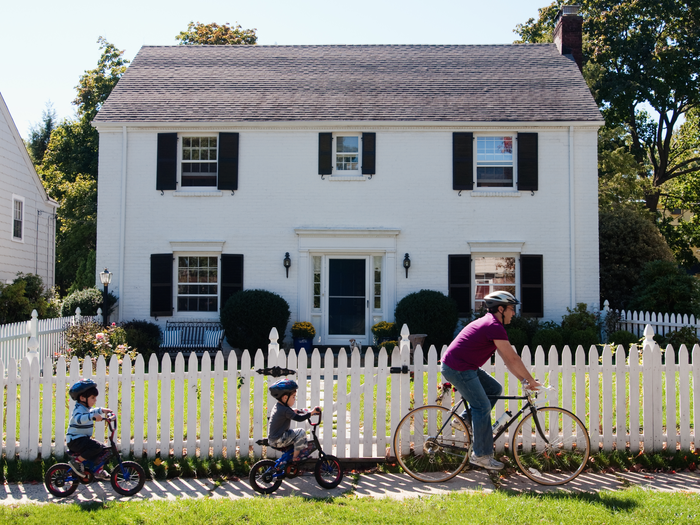
On a city block, children pick up more than road names and the quickest way to the park. They learn which adults say hello, which shopkeeper remembers their face, where the library keeps the good books, and whether the walk home from school feels rushed or familiar.
That everyday web of people and places matters because childhood doesn’t happen only inside one front door. Families need homes, but they also need streets, schools, clubs, neighbours and routines that make children feel they belong somewhere.
A Child Notices the Ordinary Things
Adults often think about childhood in big markers, from school places to exam results and family moves. Children tend to notice smaller details first. A reliable breakfast, the same route to school, a coach who remembers their name, or a neighbour who asks how the match went can all become part of how a child understands safety.
For children who have dealt with disruption, those ordinary patterns carry extra weight. Recent coverage of a UK fostering shortage described retiring carers not being replaced by younger people, which underlines how much pressure falls on finding adults who can offer time, space and consistency.
Support Has to Be Built Into Daily Life
A neighbourhood that works well for families is not only one with playgrounds and good coffee. It’s a place where adults can ask for help before a problem becomes unmanageable, and where children can take part in ordinary life without feeling like visitors.
That might mean after-school activities that don’t require a long journey, community groups that welcome new families, or schools that notice when a child is becoming withdrawn. Families who apply through Orange Grove Foster Care are stepping into a role built on school runs, contact arrangements, mealtimes, meetings and the quieter work of helping a child feel known.
Fostering Belongs in the Neighbourhood Conversation
Fostering is often spoken about as a private decision, made around a kitchen table after a long discussion. That part is real, but it’s not the whole story. A foster family still lives inside a street, a school system, a friendship group and a local routine.
The people around that family can make the role less isolating. A teacher who communicates clearly, a club that gives a child room to join in without a fuss, or a neighbour who doesn’t pry can all help. None of those gestures needs to be dramatic. They simply make space for a child’s life to carry on with fewer explanations.
Growing Up Needs More Than a Finish Line
Support should not disappear the moment a young person reaches a legal milestone. The move into adulthood is hard enough with family backup, and it can be far harder for young people leaving care. The Big Issue has reported on care leavers being forced from foster homes as soon as they turn 18, showing how fragile that transition can be when support drops away too soon.
Good neighbourhoods understand that growing up is gradual. A young person may need help with forms, travel, a first job, college, budgeting or simply knowing which adult they can still call. Those ordinary points of contact can decide whether independence feels possible or frightening.
Cities are often judged by their skyline, transport and nightlife, but family life is shaped in quieter places. If a neighbourhood wants to be good for children, it has to make room for care in daily routines, not only in special campaigns or crisis moments.