Introduction to Tree Care
Trees play a vital role in shaping the environment around us, offering shade, beauty, cleaner air, and a sense of natural balance. They are not only visually appealing but also contribute significantly to the ecosystem and property value. However, maintaining trees in their best condition requires consistent care and attention. One of the most essential practices in tree maintenance is tree trimming, a process that supports growth, enhances safety, and preserves the structural integrity of trees over time.
Why Proper Tree Maintenance Is Essential
Tree care is often underestimated, with many people assuming that trees can grow freely without intervention. While trees in natural forests may thrive without human involvement, those in managed landscapes require regular upkeep to prevent potential hazards and ensure optimal health. Tree trimming is a strategic process that involves the removal of specific branches to improve the overall condition of the tree. It is not just about cutting branches randomly; it requires knowledge, precision, and an understanding of how trees grow and respond to cuts.
Health Benefits of Regular Trimming
One of the primary reasons tree trimming is so important is because it promotes healthier growth. Trees can develop dead, diseased, or damaged branches over time, which may hinder their development. Removing these branches allows the tree to redirect nutrients and energy to healthier areas, encouraging stronger and more vibrant growth. This process also helps prevent the spread of diseases and pests that can weaken or even kill a tree if left untreated. By maintaining a routine trimming schedule, trees can continue to flourish and remain resilient against environmental stressors.
Improving Safety Through Tree Care
Another critical aspect of tree maintenance is safety. Overgrown or weakened branches can pose significant risks, especially during storms or strong winds. These branches may break unexpectedly and cause damage to property, vehicles, or even people. Tree trimming reduces these risks by eliminating unstable limbs and maintaining a balanced structure. Properly trimmed trees are less likely to suffer from structural failure, making them safer for both residential and commercial environments.
Enhancing Appearance and Landscape Value
In addition to safety and health, tree trimming greatly enhances the appearance of trees and the surrounding landscape. A well-maintained tree has a balanced shape, with evenly distributed branches that create a pleasing visual effect. Overgrown trees, on the other hand, can look messy and unkempt, detracting from the overall appeal of a property. Regular trimming helps maintain a neat and attractive appearance, contributing to a more inviting outdoor space.
Understanding Tree Growth Patterns
Understanding how trees grow is essential for effective trimming. Trees have natural growth patterns that determine their shape and structure. Each branch plays a role in the tree’s overall development, and improper cutting can disrupt this balance. When trimming is done correctly, it supports the natural growth pattern rather than interfering with it. This requires careful planning and consideration of which branches to remove and which to retain.
Best Time for Trimming Trees
Timing is another important factor in tree maintenance. While tree trimming can be performed at various times of the year, certain seasons are more beneficial than others. The dormant season, typically occurring in late winter or early spring, is often considered the best time for trimming. During this period, trees are not actively growing, which makes it easier to assess their structure and perform precise cuts. Additionally, cuts made during dormancy tend to heal more quickly once the growing season begins. Trimming during the active growing season should be limited to removing dead or damaged branches to avoid stressing the tree.
Tools Required for Effective Tree Care
Using the right tools is crucial for successful tree care. Different tools are designed for different types of branches, and using the appropriate equipment ensures clean cuts and minimizes damage. Hand pruners are ideal for small branches, while loppers are better suited for medium-sized limbs. For larger branches, pruning saws or chainsaws may be necessary. Keeping tools sharp and clean is essential, as dull blades can cause jagged cuts that are more susceptible to disease.
Techniques for Proper Trimming
Proper technique is at the heart of effective tree trimming. There are several methods used depending on the desired outcome. Crown thinning involves selectively removing branches to reduce density and improve airflow and light penetration. Crown raising focuses on removing lower branches to provide clearance for pathways or structures. Crown reduction is used to decrease the overall size of a tree while maintaining its natural shape. Each technique requires careful execution to ensure that the tree remains healthy and structurally sound.
Common Mistakes to Avoid
Despite its benefits, tree trimming can be harmful if done incorrectly. One common mistake is over-trimming, which involves removing too much foliage at once. This can stress the tree and reduce its ability to produce energy through photosynthesis. Another mistake is topping, a practice that involves cutting the top of a tree to reduce its height. Topping can lead to weak regrowth and long-term structural issues. Making improper cuts, such as cutting too close to the trunk or leaving large stubs, can also hinder healing and increase the risk of disease.
Safety Measures During Tree Work
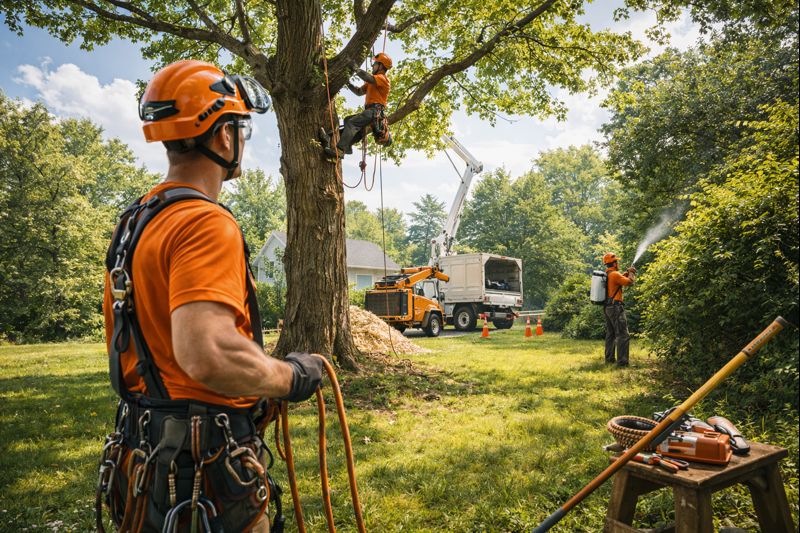
Safety should always be a top priority when performing tree maintenance. Trimming trees can be physically demanding and potentially dangerous, especially when dealing with large branches or working at heights. Wearing protective gear such as gloves, safety glasses, and helmets can help reduce the risk of injury. It is also important to use stable equipment and avoid working near power lines. For complex or high-risk tasks, seeking professional assistance is often the safest and most effective option.
Environmental Importance of Tree Care
Tree trimming also has a positive impact on the environment. Healthy trees contribute to cleaner air by absorbing carbon dioxide and releasing oxygen. They provide habitats for wildlife and help regulate temperatures by offering shade. Proper maintenance ensures that trees continue to perform these essential functions. Neglected trees, on the other hand, can become sources of disease and instability, affecting the surrounding ecosystem.
Signs That Indicate Trees Need Trimming
Recognizing when a tree needs attention is an important skill for effective maintenance. Signs such as dead branches, dense canopies, or branches that interfere with structures indicate that trimming may be necessary. Addressing these issues promptly helps prevent more serious problems in the future. Regular inspections can help identify potential concerns early, allowing for timely intervention.
Professional vs DIY Tree Maintenance
Deciding whether to handle tree care independently or hire professionals depends on the complexity of the task. Small trees and minor trimming can often be managed without professional help, provided the proper tools and techniques are used. However, larger trees or those with structural issues require specialized knowledge and equipment. Professional arborists have the expertise to assess tree health and perform trimming safely and effectively.
Long-Term Strategy for Healthy Trees
Developing a long-term strategy for tree care is essential for maintaining healthy and attractive landscapes. Regular maintenance, combined with proper watering and monitoring, ensures that trees remain strong and vibrant. Tree trimming should be viewed as an ongoing process rather than a one-time task. Consistent care helps trees adapt to their environment and continue to thrive over time.
Conclusion
Maintaining trees through proper care is essential for their health, safety, and overall appearance. Tree trimming plays a central role in this process, offering numerous benefits when done correctly. By understanding the principles of tree growth, using appropriate tools, and applying proper techniques, it is possible to keep trees in excellent condition. Whether performed independently or with professional assistance, regular trimming ensures that trees remain valuable and enduring elements of any landscape.