Introduction
A clean home is more than just an aesthetic preference; it is a foundation for health, comfort, productivity, and emotional well-being. The condition of a living space directly influences daily routines, mental clarity, and even physical health. Dust accumulation, clutter, and poor hygiene can gradually affect indoor air quality and create an environment that feels stressful and unwelcoming. This is why house cleaning is not simply a routine chore but an essential part of maintaining a balanced and functional lifestyle.
Modern living often involves busy schedules, long working hours, and multiple responsibilities, making it challenging for many individuals to maintain consistent cleaning habits. As a result, structured cleaning methods and organized systems have become increasingly important. Understanding how to approach house cleaning effectively helps ensure that every part of the home remains fresh, hygienic, and comfortable without overwhelming effort.
Understanding the Importance of a Clean Living Environment
Cleanliness plays a vital role in shaping both physical and mental well-being. A properly maintained home reduces exposure to dust, allergens, bacteria, and other pollutants that can accumulate over time. These contaminants often go unnoticed but can significantly impact respiratory health, especially for individuals with allergies or sensitivities.
Beyond physical health, cleanliness also affects mental clarity. A cluttered or dirty environment can create feelings of stress and distraction, while a clean and organized space promotes calmness and focus. This is why structured house cleaning is often associated with improved productivity and emotional balance.
Another important aspect is safety. Regular cleaning helps prevent hazards such as slippery floors, mold growth, and pest infestations. By maintaining cleanliness, households can avoid potential risks and create a safer living environment for all occupants.
Key Principles of Effective Home Cleaning
Successful cleaning is not about intensity alone but about consistency and structure. One of the key principles is routine maintenance. Small daily efforts, such as wiping surfaces and organizing items, prevent the buildup of larger cleaning tasks that become overwhelming over time.
Another principle is prioritization. Not all areas of a home require the same level of attention every day. High-traffic areas such as kitchens, bathrooms, and living rooms often need more frequent cleaning compared to less-used spaces. Understanding this balance helps create a more efficient cleaning routine.
Organization is also essential. A well-organized home is easier to clean because every item has a designated place. Clutter reduction simplifies the cleaning process and reduces the time required to maintain order.
When combined, these principles form the foundation of effective house cleaning and ensure long-term cleanliness with minimal stress.
Essential Areas That Require Regular Attention
Every home consists of different spaces, each with unique cleaning requirements. The kitchen is one of the most important areas because it is directly related to food preparation and hygiene. Grease, spills, and food particles can quickly accumulate, making regular cleaning essential to prevent bacteria growth and unpleasant odors.
Bathrooms also require consistent attention due to moisture and frequent use. Proper cleaning helps prevent mold, mildew, and the buildup of soap residue. Maintaining hygiene in these areas is crucial for overall household health.
Living areas and bedrooms contribute significantly to comfort and relaxation. Dusting furniture, vacuuming carpets, and maintaining fresh linens are important tasks that ensure a clean and inviting environment.
Hallways and entry points often collect dirt from outside, making them key areas in any cleaning routine. Addressing these spaces regularly helps maintain the overall cleanliness of the home.
Structured Approach to Daily and Weekly Cleaning
A structured approach to cleaning helps maintain consistency without overwhelming effort. Daily cleaning tasks typically include light activities such as wiping surfaces, washing dishes, organizing clutter, and sweeping floors. These small actions prevent dirt buildup and keep the home manageable.
Weekly cleaning involves more detailed tasks such as vacuuming carpets, mopping floors, cleaning bathrooms thoroughly, and dusting hard-to-reach areas. This level of cleaning ensures that deeper dirt and grime are removed regularly.
Monthly or seasonal cleaning focuses on less frequent tasks such as cleaning behind furniture, washing windows, and organizing storage spaces. These deeper cleaning sessions help maintain long-term cleanliness and prevent hidden buildup.
By following a structured system, house cleaning becomes more efficient and less time-consuming.
Tools and Materials That Improve Cleaning Efficiency
Using the right tools can significantly improve cleaning results. Microfiber cloths are highly effective for trapping dust and dirt without spreading particles around. They are reusable and environmentally friendly, making them a practical choice for regular cleaning.
Vacuum cleaners help remove dust, allergens, and debris from carpets and floors, improving indoor air quality. Modern vacuum systems are designed to reach tight spaces and provide deep cleaning.
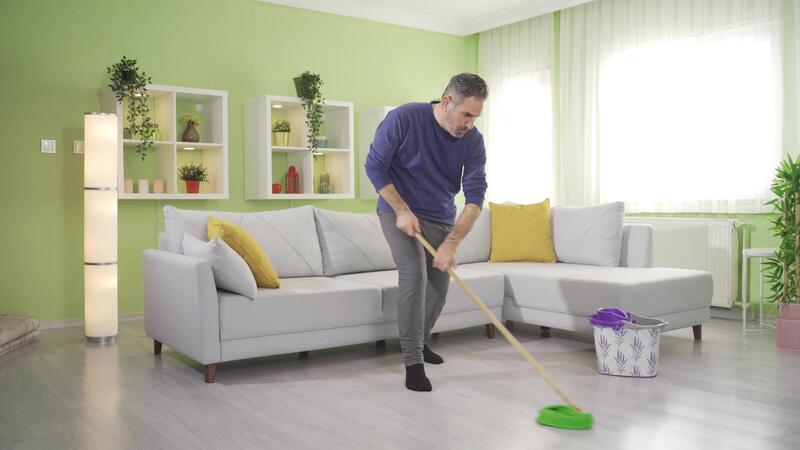
Mops and cleaning solutions are essential for maintaining hard floors. Choosing appropriate cleaning agents ensures effective sanitation without damaging surfaces.
Organizational tools such as storage boxes, baskets, and shelving units help maintain order and reduce clutter. When everything has a designated place, cleaning becomes much easier and faster.
Challenges in Maintaining Consistent Cleaning Habits
Despite understanding the importance of cleanliness, many people struggle to maintain consistent routines due to time constraints, fatigue, or lack of motivation. Busy lifestyles often lead to delayed cleaning tasks, which eventually accumulate and become overwhelming.
Another common challenge is improper cleaning techniques. Without proper knowledge, cleaning efforts may be inefficient or incomplete, leading to recurring dirt and clutter.
Lack of organization also contributes to difficulty in maintaining cleanliness. When spaces are cluttered, cleaning becomes more time-consuming and less effective.
Overcoming these challenges requires discipline, planning, and sometimes professional assistance for deeper or more demanding cleaning tasks.
Role of Professional Services in Home Maintenance
While many households manage cleaning independently, professional assistance can be beneficial for deeper and more thorough results. Expert cleaning services are trained to handle complex cleaning tasks efficiently, ensuring that every area of the home is properly maintained.
Professional house cleaning often includes deep cleaning of carpets, upholstery, kitchens, and bathrooms, along with specialized treatments for stubborn stains and hidden dirt. These services use advanced tools and techniques that may not be readily available in regular households.
For individuals with busy schedules or larger homes, professional assistance can help maintain consistent cleanliness without added stress. It also ensures a higher standard of hygiene, especially in areas that require detailed attention.
Impact of Cleanliness on Lifestyle and Well-Being
A clean home has a direct impact on daily life and overall well-being. It creates a sense of order and stability that positively influences mood and productivity. People often feel more relaxed and focused in clean environments, which contributes to better mental health.
Cleanliness also enhances social confidence. A well-maintained home is more welcoming to guests and reflects positively on the occupants. This can improve social interactions and reduce stress associated with unexpected visits.
In addition, maintaining cleanliness supports healthier living habits. When the environment is organized and clean, it encourages better routines and reduces distractions that can interfere with daily life.
Long-Term Benefits of Consistent Cleaning Practices
Consistent cleaning provides long-term advantages that go beyond immediate visual appeal. Regular maintenance helps preserve furniture, flooring, and household items, extending their lifespan and reducing replacement costs.
It also prevents the buildup of harmful substances such as mold, bacteria, and dust mites, which can have long-term health effects if left unaddressed.
Over time, consistent house cleaning creates a stable and comfortable living environment that requires less effort to maintain. Instead of dealing with large cleaning tasks, small routine actions keep the home in continuous good condition.
Conclusion
Maintaining a clean and organized home is essential for health, comfort, and overall quality of life. A structured approach to house cleaning ensures that every area of the home remains hygienic, safe, and visually appealing without becoming overwhelming. By combining daily habits, weekly routines, proper tools, and occasional deep cleaning, it is possible to create a living environment that supports both physical and mental well-being.
Cleanliness is not just a task but a long-term commitment that enhances lifestyle, improves health, and creates a more peaceful and enjoyable home environment for everyone.