Understanding the Importance of Landscape Maintenance
Landscape maintenance is a vital component of keeping outdoor spaces healthy, attractive, and functional. It goes far beyond simple lawn mowing or occasional trimming. Effective landscape maintenance involves careful planning, consistent care, and attention to both the aesthetic and ecological aspects of a property. A well-maintained landscape enhances curb appeal, increases property value, and provides a safe, enjoyable environment for outdoor activities.
The benefits of landscape maintenance are both visual and practical. Healthy lawns, vibrant plants, and well-kept gardens create a welcoming atmosphere, while proper care reduces the risk of plant disease, pest infestations, and soil degradation. Furthermore, maintaining green spaces can improve air quality, control erosion, and contribute to a balanced ecosystem. Recognizing the significance of landscape maintenance helps homeowners and property managers invest time and resources wisely, resulting in long-term benefits for both the property and the environment.
Soil Health: The Foundation of Landscape Maintenance
At the core of every successful landscape maintenance plan is soil health. Soil quality directly affects plant growth, nutrient absorption, and water retention. Assessing the soil’s texture, pH levels, and nutrient content is essential before implementing any landscape maintenance practices. Soil testing allows property owners to determine the appropriate amendments, such as compost, fertilizers, or lime, to create optimal growing conditions.
Aeration is a critical technique in landscape maintenance, as it reduces soil compaction, improves drainage, and allows roots to access oxygen and nutrients more efficiently. Adding organic matter and mulch enhances soil structure, supports microbial activity, and retains moisture, all of which contribute to a thriving landscape. By prioritizing soil health, homeowners establish a strong foundation that supports long-term plant growth and reduces the need for corrective interventions.
Plant Selection and Seasonal Planning
Choosing the right plants is a crucial element of landscape maintenance. Different species have varying requirements for sunlight, water, soil type, and temperature tolerance. Selecting plants suited to the specific conditions of the property ensures a healthy, low-maintenance landscape that thrives throughout the year. Native plants are often an excellent choice because they are adapted to local climate conditions, require less water, and support local wildlife.
Seasonal planning is another essential aspect of landscape maintenance. Spring and summer are typically focused on planting, fertilizing, and watering, while fall emphasizes pruning, soil conditioning, and preparing plants for winter dormancy. Proper timing of maintenance activities prevents stress on plants, encourages robust growth, and ensures a visually appealing landscape across all seasons.
Lawn Care and Grass Management
Lawn care is a fundamental part of landscape maintenance. A lush, well-manicured lawn not only enhances aesthetic appeal but also provides functional outdoor space for recreation. Proper mowing practices, such as following the “one-third rule” and adjusting blade height based on the grass species, promote healthy root development and reduce stress.
Fertilization and nutrient management are equally important for maintaining a green and resilient lawn. Providing balanced nutrients at the right time of year strengthens grass against disease, drought, and pest attacks. Irrigation practices should be tailored to seasonal requirements and soil type to prevent overwatering or drought stress. By integrating these techniques into landscape maintenance routines, homeowners can achieve a vibrant, long-lasting lawn.
Pruning, Trimming, and Hedge Management
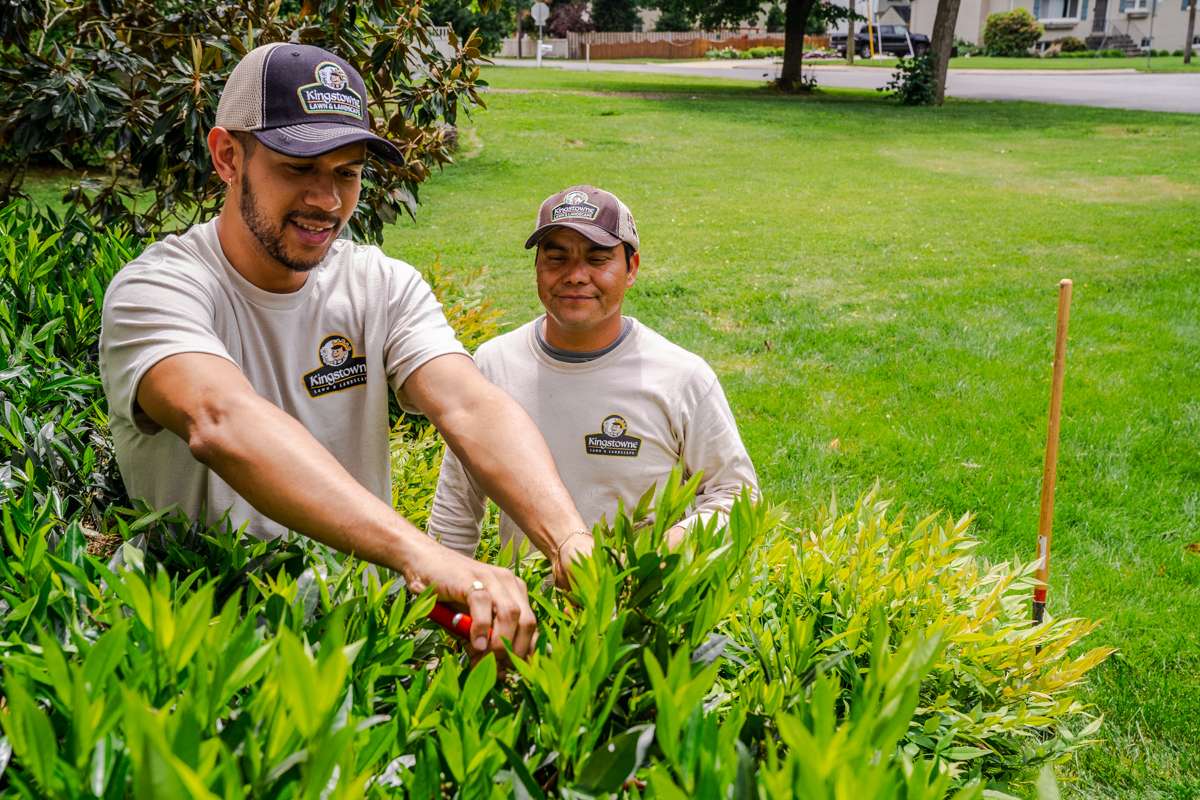
Pruning and trimming plants are vital components of landscape maintenance. Regular pruning removes dead or diseased branches, encourages healthy growth, and shapes plants to maintain aesthetic appeal. Hedge trimming is essential for maintaining clean lines and formal garden designs, while also preventing overgrowth that can overshadow other plants or structures.
Understanding plant-specific pruning requirements is critical. Flowering plants, shrubs, and trees each respond differently to trimming, and timing can influence bloom cycles, fruit production, and overall health. Proper pruning tools and techniques reduce the risk of damage and promote a thriving, visually balanced landscape.
Pest and Disease Control
Landscape maintenance includes proactive pest and disease management. Weeds, insects, and fungal pathogens can compromise the health and appearance of lawns, flower beds, and ornamental plants. Integrated management strategies, including cultural, mechanical, and chemical methods, are used to address these challenges effectively.
Regular inspections are essential to detect issues early, minimizing damage and reducing the need for aggressive treatments. Sustainable practices, such as introducing beneficial insects or using organic pesticides, provide effective control while maintaining environmental balance. By incorporating pest and disease management into routine landscape maintenance, homeowners protect the long-term health and beauty of their gardens.
Irrigation and Water Management
Efficient water management is a key element of successful landscape maintenance. Both insufficient and excessive watering can harm plants and disrupt soil structure. Proper irrigation techniques, such as drip systems or sprinkler adjustments, ensure consistent moisture levels without causing waterlogging or erosion.
Seasonal adjustments to watering schedules are essential to meet changing environmental conditions. Mulching and soil amendments can also help retain moisture, reducing water consumption and promoting sustainability. Incorporating smart irrigation strategies into landscape maintenance routines ensures that plants thrive while conserving resources.
Mulching and Soil Cover
Mulching is a widely used practice in landscape maintenance that provides multiple benefits. It conserves soil moisture, suppresses weed growth, moderates soil temperature, and adds organic matter as it decomposes. Mulch can be composed of wood chips, bark, compost, or straw, depending on the desired aesthetic and functional requirements.
Regular replenishment of mulch maintains its effectiveness and contributes to overall plant health. By integrating mulching into landscape maintenance plans, homeowners improve soil quality, reduce maintenance needs, and enhance the visual appeal of their gardens.
Seasonal and Preventive Practices
A key aspect of landscape maintenance is preventive care. Seasonal activities, such as fertilization, aeration, pruning, and pest monitoring, prepare plants for environmental stresses and promote healthy growth. Fall preparations, including leaf removal, soil conditioning, and winterizing perennials, reduce damage from frost or heavy snow. Spring activities, such as planting, soil testing, and initial fertilization, set the foundation for a vibrant growing season.
Preventive measures, combined with consistent monitoring, reduce the likelihood of plant stress, pest infestations, and nutrient deficiencies. A proactive approach to landscape maintenance ensures resilience, longevity, and visual appeal.
Sustainable Practices in Landscape Maintenance
Modern landscape maintenance emphasizes eco-friendly and sustainable approaches. Organic fertilizers, composting, rainwater harvesting, drought-tolerant plants, and integrated pest management contribute to environmental responsibility. Sustainable practices reduce chemical runoff, conserve water, and promote biodiversity while maintaining a beautiful and healthy landscape.
By adopting sustainable techniques, homeowners can create resilient outdoor spaces that require less intensive upkeep, save resources, and support the surrounding ecosystem. Landscape maintenance, therefore, becomes both a practical and environmentally responsible practice.
Professional Expertise in Landscape Maintenance
Engaging professional services for landscape maintenance offers numerous advantages. Experts provide knowledge, experience, and specialized equipment to achieve superior results efficiently. Professional landscape maintenance includes soil testing, plant selection guidance, irrigation planning, pruning, fertilization, and pest management tailored to the property.
Hiring professionals ensures consistent care, reduces errors, and enhances the long-term health and beauty of outdoor spaces. For homeowners seeking both aesthetic excellence and practical efficiency, professional landscape maintenance is a valuable investment.
Conclusion: The Lasting Value of Comprehensive Landscape Maintenance
In conclusion, landscape maintenance is a multi-dimensional practice that combines soil health, plant care, lawn management, irrigation, pruning, pest control, and seasonal planning to create vibrant and resilient outdoor spaces. By integrating preventive strategies, sustainable practices, and professional expertise, homeowners can maintain gardens that are visually stunning, ecologically balanced, and long-lasting.
Whether addressing the soil foundation, plant selection, or routine care, consistent landscape maintenance ensures that outdoor spaces remain attractive, functional, and enjoyable year-round. Investing in proper landscape maintenance is not only an enhancement of beauty and value but also a long-term commitment to sustainability, health, and the well-being of the property and its environment