Key Takeaways
- Comprehensive flight planning optimizes routes, fuel usage, and operational efficiency.
- Digital pre-flight briefings improve readiness, compliance, and safety.
- In-flight technologies like NextGen enhance routing, coordination, and situational awareness.
- Post-flight analysis identifies inefficiencies, informs improvements, and supports cost reduction.
- AI and machine learning enable predictive maintenance, route optimization, and delay forecasting.
- Collaborative systems like A-CDM improve coordination among airlines, air traffic, and ground services.
- Sustainability initiatives, including alternative fuels and fleet upgrades, reduce environmental impact.
- Continuous improvement and feedback loops help airlines adapt to regulatory changes, technological advancements, and market shifts.
- Technology integration across all stages of flight operations boosts efficiency, safety, and passenger experience.
- Data-driven strategies position airlines for long-term competitiveness and operational excellence.
Introduction
Maximizing the efficiency and safety of flight operations is a top priority for modern airlines. Whether it’s reducing operational costs or elevating passenger experiences, every stage of the flight process offers unique challenges and opportunities for improvement. Airlines are turning to advanced technology, data-driven insights, and industry best practices to gain a competitive edge and deliver consistent results. Using the right aviation flight operations software is integral to unlocking new capabilities and ensuring smooth operations from the earliest planning stages through to post-flight reviews.
Optimizing flight operations is not just about quick turnarounds and on-time departures. It involves a holistic approach that ties together meticulous planning, technological innovation, environmental responsibility, and continuous self-improvement. The following guide walks through each key phase, providing strategies to help airlines and operators adapt to industry demands and cultivate sustainable growth.
Flight Planning: Laying the Groundwork
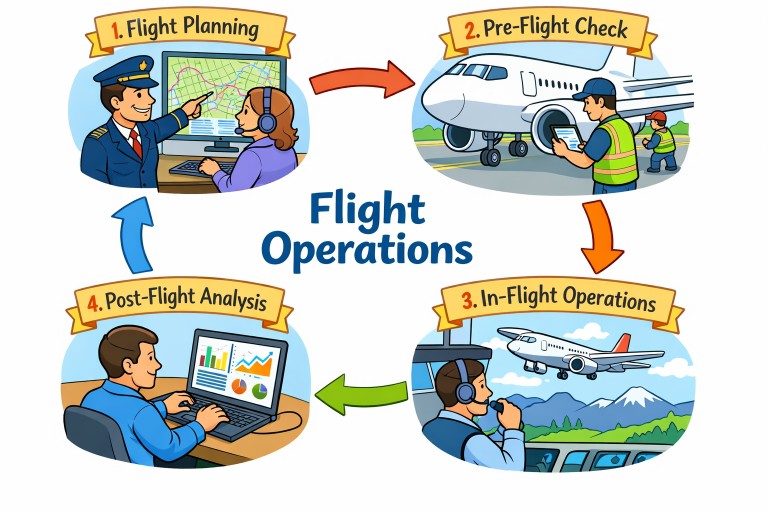
Comprehensive flight planning is the cornerstone of successful operations. The process includes selecting the most efficient routes, estimating accurate fuel loads, and factoring in weather trends and regulatory requirements to ensure flights run smoothly and safely. Airlines are increasingly leveraging AI-powered scheduling systems that examine thousands of variables from historical traffic patterns to up-to-the-minute weather data. For instance, Alaska Airlines’ utilization of advanced scheduling analytics has significantly reduced delays while improving resilience against disruptions. Efficient flight planning improves profitability by optimizing fuel use and minimizing operational disruptions, as Forbes notes.
Pre-Flight Preparations: Ensuring Readiness
Getting ready for departure pivots on precise communication and systematic checks. Pilots and crew rely on digital briefings, which provide real-time access to updates such as current weather, NOTAMs (Notices to Airmen), and last-minute operational notifications. Transitioning from paper-based processes to digital briefings has not only improved timeliness and accuracy but also fostered stronger compliance and safety protocols. A thorough pre-flight checklist ensures that aircraft are technically and operationally prepared for departure, reducing the likelihood of costly delays.
In-Flight Operations: Maintaining Efficiency
During the flight itself, efficiency and safety remain at the forefront. Technologies such as the Next Generation Air Transportation System (NextGen) are transforming air traffic management, enabling more direct routing and improved real-time coordination between aircraft and control centers. The benefits of these systems extend beyond time and fuel savings, enhancing in-flight situational awareness and supporting a safer airspace environment. Continuous monitoring and adjustment by the crew, made possible by digital platforms, further reduces inefficiencies and risk.
Post-Flight Analysis: Learning and Improving
Flight operations don’t end with touchdown. Post-flight analysis involves reviewing flight data, tracking key metrics such as fuel burn and punctuality, and comparing actual outcomes to the original flight plan. This analysis identifies any operational deviations, inefficiencies, or unexpected factors, providing actionable insights for future flights. Airlines that excel at post-flight analysis can enhance safety and consistency across their fleets while identifying opportunities to further cut costs or reduce environmental impact.
Leveraging Technology: The Role of AI and Machine Learning
Artificial intelligence and machine learning are rapidly expanding their footprint within flight operations. These technologies power predictive maintenance, which can identify issues before they result in costly delays, automate route optimization, and support data-driven decisions during irregular operations. AI models are also increasingly used to forecast delays, enabling airlines to proactively adjust schedules or deploy resources to minimize passenger disruptions and keep flights running close to plan. For an industry that depends on punctuality, even small improvements can have substantial impacts on overall efficiency.
\Collaborative Decision Making: Enhancing Coordination
Effective collaboration across stakeholders is essential for maximizing operational performance. Airport Collaborative Decision Making (A-CDM) systems enable airlines, air traffic controllers, and ground services staff to share real-time information on everything from aircraft status to gate availability. By improving situational awareness and communication, A-CDM reduces bottlenecks, shortens turnaround times, and helps ensure that resources—such as parking stands and fueling crews are allocated efficiently.
Environmental Considerations: Sustainable Operations
Sustainability is becoming a defining element of flight operations. Initiatives like Boeing’s ecoDemonstrator program focus on developing and testing green technologies, including sustainable aviation fuels, aerodynamic advancements, and energy-efficient systems. Airlines are also investing in fleet renewal programs and exploring alternative fuels to reduce their carbon footprint and comply with ever-stringent environmental regulations. By adopting these forward-thinking strategies, airlines can enhance their reputations while actively combating climate change.
Continuous Improvement: Adapting to Challenges
The dynamic nature of the aviation industry demands an ethos of constant evaluation and adaptation. New regulations, technologies, and market expectations require airlines to maintain flexible processes and a commitment to data-driven improvement. By establishing clear feedback loops—using actionable metrics from both flight operations and passenger feedback, airlines can refine their procedures, enhance risk management, and ultimately improve outcomes in a fast-changing marketplace.
Final Thoughts
The path to optimized flight operations is multifaceted and ongoing. Integrating robust flight planning, seamless communication, real-time data analytics, technology adoption, and cross-stakeholder collaboration ensures that airlines stay ahead of operational demands. Airlines that focus on every stage, from long-term planning to real-time decision making and post-flight review, position themselves as industry leaders in safety, efficiency, and environmental responsibility.