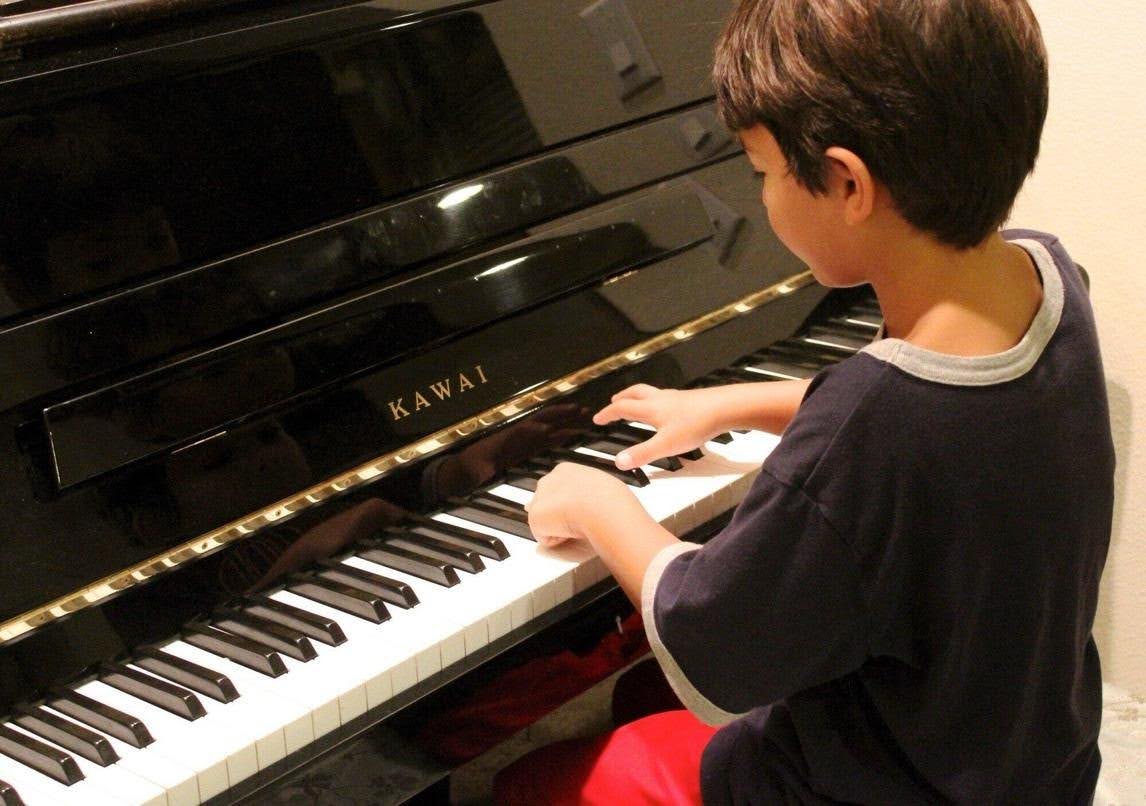
Music has a unique power to enrich lives. It can bring joy, reduce stress, and even improve brain function. Learning to play an instrument is a rewarding journey. But it can also be challenging. Whether you are a beginner or an experienced player, the right strategies can help you grow.
This article explores educational strategies for musicians of all ages. You’ll learn about practice techniques, theory exercises, and the benefits of quality instruction.
Why Music Education Matters
Music education offers many benefits beyond just learning to play. It helps develop discipline, patience, and creativity. Studies show that learning music can improve memory and focus. It also boosts self-confidence. For children, music education supports academic success. For adults, it provides a creative outlet and stress relief.
According to the National Association for Music Education, students who study music often perform better in school. They also develop stronger social skills. Music brings people together and builds community. These benefits last a lifetime.
Starting Your Musical Journey
The first step is choosing the right instrument. Think about what sounds you enjoy. Consider your goals. Do you want to play for fun? Or do you aspire to perform? Different instruments suit different personalities. Some people love the piano. Others prefer guitar, violin, or drums. There is no wrong choice.
It’s also important to find a good teacher. A qualified instructor can make learning easier and more enjoyable. They can help you avoid bad habits. They can also keep you motivated when things get tough.
The Importance of Quality Instruction
Good teachers make a huge difference. They guide you through the learning process. They correct mistakes before they become habits. They also keep you motivated and inspired. Look for teachers with experience and qualifications. Professionals from a trusted music school in San Marino offer expert instruction from award-winning teachers. They can help you build a strong foundation.
Quality instruction is especially important for beginners. The first few months set the stage for everything that follows. A good teacher will teach proper technique from the start. This prevents injuries and makes progress faster.
Effective Practice Strategies
Practice is essential for progress. But how you practice matters more than how long. Smart practice leads to faster improvement and less frustration. Here are some tips to make the most of your practice time:
- Warm up with simple exercises
- Break pieces into small sections
- Practice slowly at first
- Use a metronome for timing
- Record yourself to track progress
According to Music Teachers National Association, consistent practice is key to success. Even short daily sessions are better than long weekly ones. Focus on quality over quantity. Ten minutes of focused practice is better than an hour of distracted practice.
Learning Music Theory
Music theory is the language of music. It helps you understand how music works. Theory knowledge makes you a better musician. You can read music, write songs, and improvise with confidence. Understanding theory also makes learning new pieces easier.
Many students avoid theory because it seems difficult. But it doesn’t have to be. Start with the basics. Learn to read notes on a staff. Understand rhythm and timing. Learn about scales and chords. Each new concept builds on the last.
Finding Your Motivation
Staying motivated can be challenging. Everyone faces plateaus and frustration. The key is to remember why you started playing. Keep your goals in mind. Set small, achievable goals. Celebrate your progress along the way. Play music you enjoy. Join a group or ensemble for social connection.
Sometimes it helps to take a break. If you feel stuck, try something new. Learn a different piece. Play with other musicians. Listen to inspiring performances. These activities can reignite your passion.
The Benefits of Performing
Performing is a valuable experience. It builds confidence and stage presence. It also gives you a goal to work toward. You don’t have to be a professional to perform. Start with small performances for family or friends. Join a recital at your music school. Play at community events. Each performance helps you grow as a musician.
Performing also helps you overcome fear. Many people are nervous about playing in front of others. But with practice, it gets easier. The more you perform, the more comfortable you become.
Music for Different Ages
Music education benefits people of all ages. Young children learn best with fun and games. Short lessons work well. Repetition is important. Parents can support by attending lessons and encouraging practice.
Teenagers often have specific musical interests. They may want to play in a band or learn popular songs. Encouraging their preferences keeps them engaged. Adults often have busy schedules. They may need flexible lesson times. Their goals may include stress relief or creative expression.
Music is wonderful for seniors too. It keeps the mind active and engaged. It can also provide social connection. Many seniors enjoy playing in community groups.
Building a Musical Community
Music is a social activity. Joining a group can enhance your experience. Look for community bands or choirs. Attend local concerts and events. According to The Strad, being part of a musical community improves learning outcomes. It also makes music more enjoyable.
Playing with others teaches important skills. You learn to listen and respond. You develop timing and teamwork. You also make new friends who share your interests.
Technology in Music Education
Technology offers many learning tools. Apps and software can help with practice. They provide instant feedback and tracking. Online lessons are also available. Some useful tools include metronome apps, tuning apps, music theory apps, and recording software.
Technology can also make practice more fun. Many apps turn learning into games. This is especially helpful for children. It keeps them engaged and motivated.
Conclusion: Your Musical Journey Awaits
Music is a lifelong journey. Whether you are a beginner or an experienced player, there is always more to learn. The right strategies can help you reach your potential. Find a good teacher. Practice effectively. Stay motivated. Enjoy the process.
Remember, every musician started as a beginner. Everyone faces challenges. But with dedication and the right approach, you can achieve your musical dreams.
Looking for more tips and ideas? We’ve got you covered. Check out some of our other posts now.