Introduction: Why Mastering Roof Repair Matters
The roof of any building serves as the primary defense against environmental elements, providing protection, insulation, and structural support. Over time, roofs naturally experience wear and tear due to sun exposure, rain, snow, wind, and other factors. Proper roof repair is essential not only to restore the roof’s functionality but also to improve energy efficiency, extend its lifespan, and maintain the property’s value. Ignoring minor damage can lead to leaks, mold growth, compromised structural integrity, and costly emergency repairs. By mastering roof repair techniques and partnering with experienced professionals, property owners can ensure durable, long-lasting solutions that protect their investment. This article explores the key indicators for repair, professional techniques, material selection, maintenance strategies, and the benefits of effective roof repair.
Recognizing When Roof Repair Is Necessary
Knowing when roof repair is required is critical to preventing further damage. Common signs include water leaks, sagging areas, cracked or missing shingles, curling edges, damaged flashing, and visible water stains on ceilings or walls. Mold or mildew growth can indicate persistent moisture issues. Storms, debris, and prolonged exposure to harsh weather can accelerate deterioration. Roofs that have not been inspected regularly or are over a decade old may need professional attention sooner. Timely roof repair prevents minor problems from escalating into major structural issues, protects interiors, and ensures safety for building occupants.
Common Causes of Roof Damage
Roof damage occurs due to a combination of environmental, structural, and human factors. Severe weather, including heavy rainfall, hail, high winds, and intense sunlight, can degrade shingles, underlayment, and flashing. Improper installation, low-quality materials, and insufficient maintenance accelerate roof deterioration. Physical impacts from fallen branches or debris and structural issues within the building can also compromise the roof’s integrity. Understanding the root cause of damage is essential for effective roof repair, as it ensures that solutions address the underlying problems and prevent recurring issues.
Professional Techniques for Roof Repair
Roof repair involves various professional techniques tailored to the type and extent of damage. Minor repairs often include sealing leaks, replacing damaged shingles, repairing flashing, and clearing gutters. Extensive repairs may involve replacing sections of the roof decking, installing new underlayment, or reinforcing structural elements. Contractors follow manufacturer guidelines to ensure proper installation, waterproofing, and secure fastening of materials. By employing expert roof repair techniques, professionals restore the roof’s protective function, enhance durability, and minimize the likelihood of future problems.
Selecting the Right Materials for Roof Repair
Material selection is a critical part of effective roof repair. Asphalt shingles are widely used for their affordability, ease of installation, and flexibility. Metal roofing provides long-term durability, energy efficiency, and resistance to extreme weather. Tile, slate, and composite materials offer superior aesthetics, weather resistance, and longevity. Professional contractors evaluate the property, climate, and budget to recommend materials that blend seamlessly with the existing roof while ensuring durability and optimal performance. Using quality materials enhances the effectiveness of roof repair and contributes to the long-term integrity of the roof.
Step-by-Step Roof Repair Process
The roof repair process begins with a comprehensive inspection to determine the extent of damage and identify underlying causes. Contractors examine shingles, flashing, gutters, ventilation systems, and structural components. Damaged materials are removed carefully, and any structural issues or water damage are addressed. Replacement materials are installed according to manufacturer specifications, ensuring proper alignment, secure fastening, and waterproofing. A final inspection confirms that leaks have been eliminated and that the roof meets safety and performance standards. This systematic approach guarantees a thorough, durable, and reliable roof repair outcome.
Safety Considerations in Roof Repair
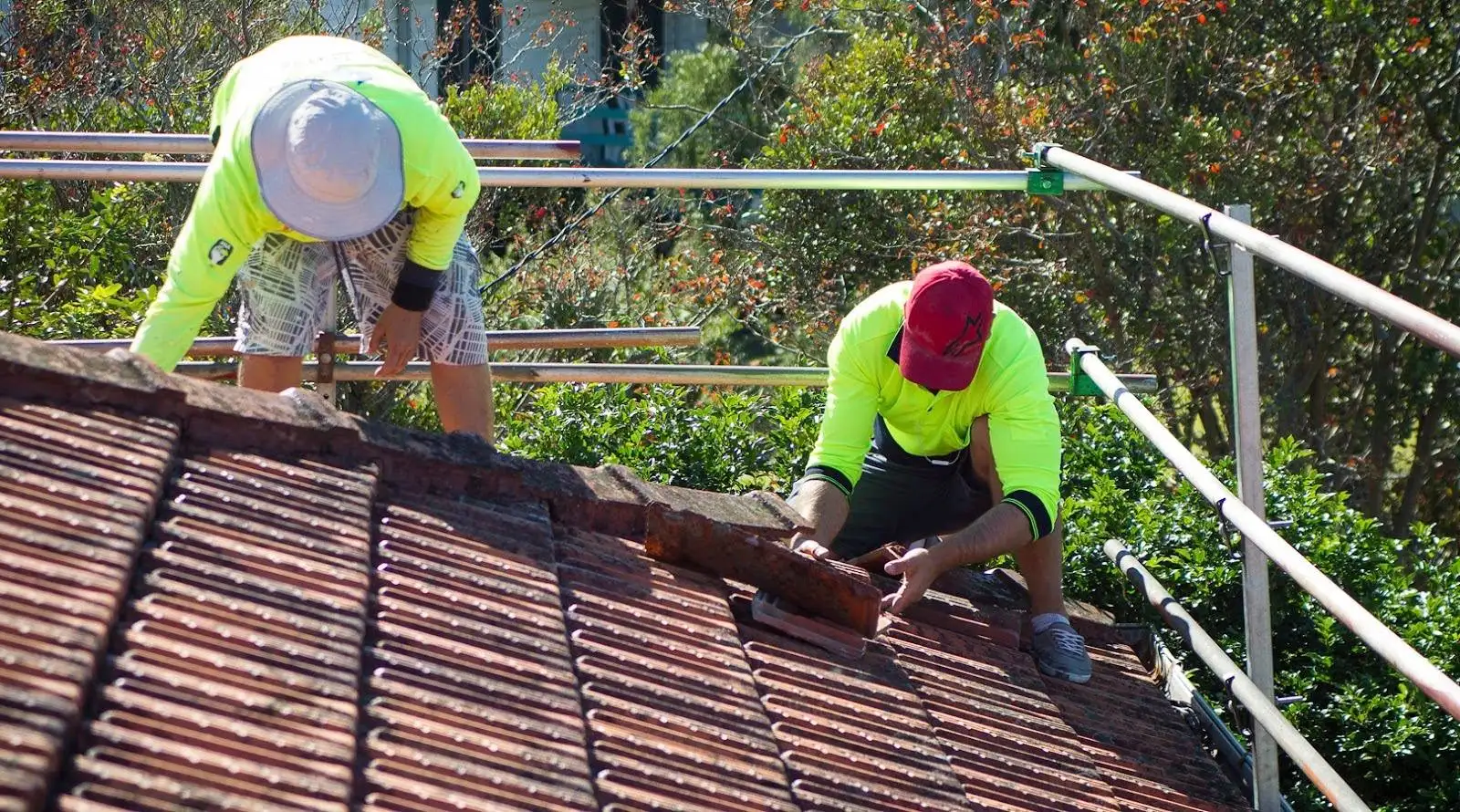
Safety is paramount during roof repair due to risks associated with heights, heavy materials, and weather exposure. Professional contractors adhere to strict safety protocols, using harnesses, scaffolding, helmets, gloves, and secure handling of tools and materials. Attempting DIY repairs without training can result in injuries, structural damage, or substandard results. Hiring professionals ensures that roof repair is executed safely, efficiently, and in compliance with industry standards, protecting both the workers and the property.
Cost Considerations and Long-Term Benefits
The cost of roof repair varies based on the size of the roof, the materials used, and the complexity of the repair. Although professional repair may require an upfront investment, it prevents larger issues, reduces energy loss, and enhances property value. Expert roof repair improves energy efficiency, prevents structural damage, and ensures the durability of the roofing system. Additionally, warranties and post-repair support provide peace of mind. Investing in professional services is a long-term solution that reduces future costs and protects the building.
Preventive Maintenance After Roof Repair
Preventive maintenance is essential to prolong the life of a repaired roof. Regular inspections can identify loose shingles, clogged gutters, or weakened flashing before they become serious issues. Cleaning debris, monitoring for leaks, trimming overhanging branches, and ensuring proper attic ventilation contribute to the roof’s health. Preventive care, combined with professional roof repair, ensures a roofing system that functions effectively, reduces future maintenance needs, and extends longevity.
Choosing the Right Contractor
Selecting the right contractor is crucial for successful roof repair. Property owners should consider experience, licensing, insurance, reputation, and customer references. A reputable contractor provides clear estimates, detailed explanations, and reliable timelines. Hiring a skilled professional ensures that roof repair is completed efficiently, safely, and to high-quality standards, resulting in a long-lasting, durable, and energy-efficient roof.
Conclusion: Maximizing Durability, Efficiency, and Longevity
In conclusion, roof repair is a vital aspect of property maintenance that ensures safety, energy efficiency, and long-term protection. Timely repair prevents minor issues from escalating into structural problems, reduces long-term costs, and preserves property value. By using quality materials, employing expert techniques, and partnering with experienced contractors, property owners can achieve reliable, long-lasting roof performance. Preventive maintenance further enhances the durability and efficiency of the roof, maximizing the benefits of professional roof repair and ensuring peace of mind for years to come.