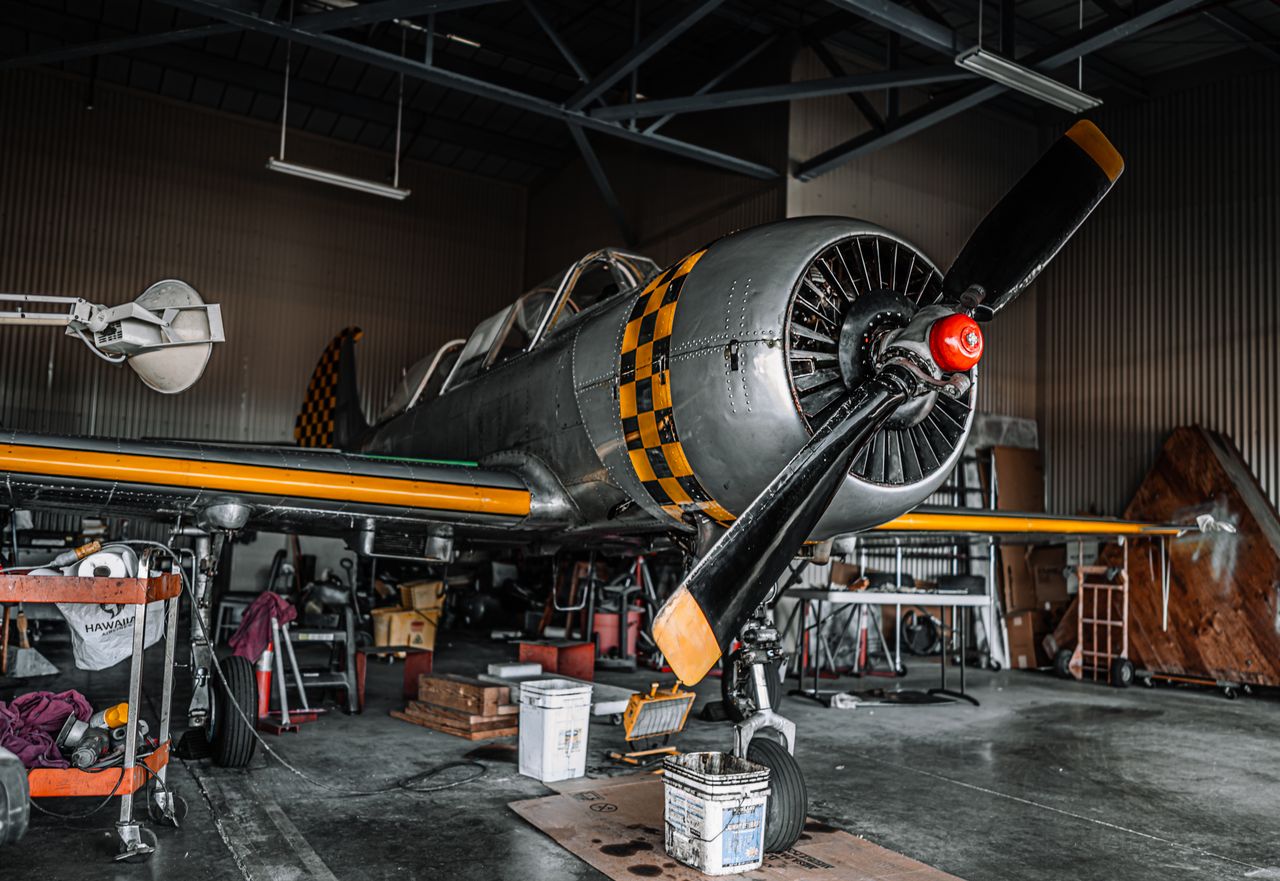
When aircraft prepare for takeoff, countless systems have already undergone rigorous examination to ensure passenger safety. Machine testing represents one of the most critical processes in aviation maintenance, involving systematic inspections of engines, avionics, hydraulics, and structural components. These tests verify that every mechanical and electrical system functions within precise specifications before an aircraft carries crew and passengers. The stakes are extraordinarily high, making thorough machine testing not just a regulatory requirement but a fundamental pillar of aviation safety and operational reliability.
Engine Performance and Diagnostics
Aircraft engines represent the most complex systems on any plane, requiring comprehensive testing protocols before and after each flight. Engine performance testing involves running the powerplants through a complete cycle of operations, measuring thrust output, fuel consumption, vibration levels, and exhaust emissions. Technicians use specialized equipment to monitor parameters such as turbine blade integrity, compression ratios, and combustion efficiency. For example, high-bypass turbofan engines on commercial aircraft must demonstrate consistent performance across multiple thrust settings, from idle power through maximum takeoff thrust. Engineers document all measurements against established baseline data to identify any deviations that might indicate wear, contamination, or component degradation. These diagnostic procedures can take several hours per engine and often occur in climate-controlled hangars equipped with data acquisition systems that record thousands of data points per second.
Structural Integrity and Non-Destructive Testing
The airframe of any aircraft must withstand enormous stresses during flight, including pressurization cycles, aerodynamic loads, and thermal expansion. Non-destructive testing techniques allow inspectors to examine structural components without causing damage, using methods such as ultrasonic scanning, eddy current inspection, and thermography. These techniques can detect microscopic cracks, corrosion, and material fatigue that might compromise safety. Inspectors pay particular attention to wing attachment points, fuselage seams, and tail assembly connections, as failures in these areas could prove catastrophic. Pressure vessel sections undergo special scrutiny since cabin pressurization creates continuous stress on the fuselage. Large aircraft may require months of detailed structural inspection during scheduled maintenance checks, with teams of technicians working systematically through different sections of the plane.
Avionics and Electronic Systems Testing
Modern aircraft depend extensively on sophisticated electronic systems for navigation, communication, and flight control. Avionics testing involves bench checks of individual components before installation, followed by integrated system testing once equipment is mounted in the aircraft. Technicians verify that autopilot systems respond correctly to input commands, that navigation equipment calculates position accurately, and that communication radios transmit and receive on all assigned frequencies. Environmental testing exposes avionics components to extreme temperatures, humidity, and electromagnetic interference to confirm they function reliably in all operating conditions. When validating upgraded cockpit instrumentation, maintenance teams rely on new avionics test equipment to confirm that flight management systems process data correctly and that redundant backup systems activate properly when needed. These tests often require specialized test stands and simulation equipment that can replicate the electrical environment of the actual aircraft.
Hydraulic and Pneumatic System Validation
Aircraft hydraulic systems transmit tremendous forces to control surfaces, landing gear, and brakes, making their reliability absolutely essential to safe operation. Hydraulic system testing measures fluid pressure, flow rate, and temperature while actuating flight control surfaces to confirm they move smoothly and completely. Technicians verify that pressure relief valves open at correct thresholds and that accumulators maintain proper pre-charge pressures. Pneumatic systems that supply pressurized air for door operation, cabin pressurization, and other functions undergo similar validation. Test procedures include leak detection using tracer gas or electronic sensors, component isolation testing to identify any leaking actuators, and full system operation under simulated flight loads. These tests ensure that degradation in hydraulic or pneumatic performance does not develop undetected during the aircraft’s operational life.
Compliance and Documentation Standards
Every machine test in aviation follows standardized procedures established by regulatory authorities and manufacturers to ensure consistency across the industry. The Federal Aviation Administration, European Union Aviation Safety Agency, and other regulators publish detailed maintenance manuals specifying exactly how and when testing must occur. Maintenance personnel maintain comprehensive records documenting every test performed, all results obtained, and any corrective actions taken. This documentation trail provides traceability for aircraft modifications and helps identify patterns of component failures that might indicate design or manufacturing issues. Compliance with established testing schedules and procedures represents a legal requirement that operators cannot deviate from without explicit regulatory approval. Any aircraft that fails to meet testing standards cannot operate commercially until deficiencies are resolved and re-testing confirms compliance.
Conclusion
Machine testing in aviation represents an essential practice that directly protects the safety of millions of passengers who travel by air annually. Through systematic engine diagnostics, structural inspections, avionics validation, and hydraulic system checks, operators verify that aircraft remain mechanically sound and safe for flight operations. The comprehensive nature of these testing procedures, combined with detailed regulatory oversight and documentation requirements, creates multiple layers of verification that help prevent mechanical failures during flight. As aircraft technology continues to evolve, testing protocols adapt to address new systems and more demanding operational environments. The discipline and precision applied to machine testing in aviation demonstrate the industry’s unwavering commitment to maintaining the highest safety standards throughout the aircraft’s operational life.