The landscape of modern oral healthcare has undergone a profound transformation, moving away from the invasive and often anxiety-inducing methods of the past. Today, digital dentistry is at the forefront of this evolution, integrating sophisticated hardware and software to streamline everything from routine check-ups to complex surgical interventions. By replacing manual processes with high-precision digital alternatives, practitioners can now offer a level of accuracy and efficiency that was once unthinkable. For the patient, this means fewer appointments, less time spent in the chair, and a significantly more pleasant experience from the moment they walk through the door.
The Power of Precision Diagnostics
One of the most significant shifts in the digital era is the transition from traditional film X-rays to advanced 3D imaging. Modern clinics increasingly utilise Cone Beam Computed Tomography (CBCT), which provides a comprehensive, three-dimensional view of the teeth, jawbone, and surrounding structures with minimal radiation exposure. This level of detail allows for the early detection of issues that might remain hidden on a standard 2D scan, such as hairline fractures or the beginning stages of bone loss. By identifying these problems early, dentists can implement minimally invasive treatments, preventing the need for more intensive procedures later on.
Digital Impressions and Same-Day Restorations
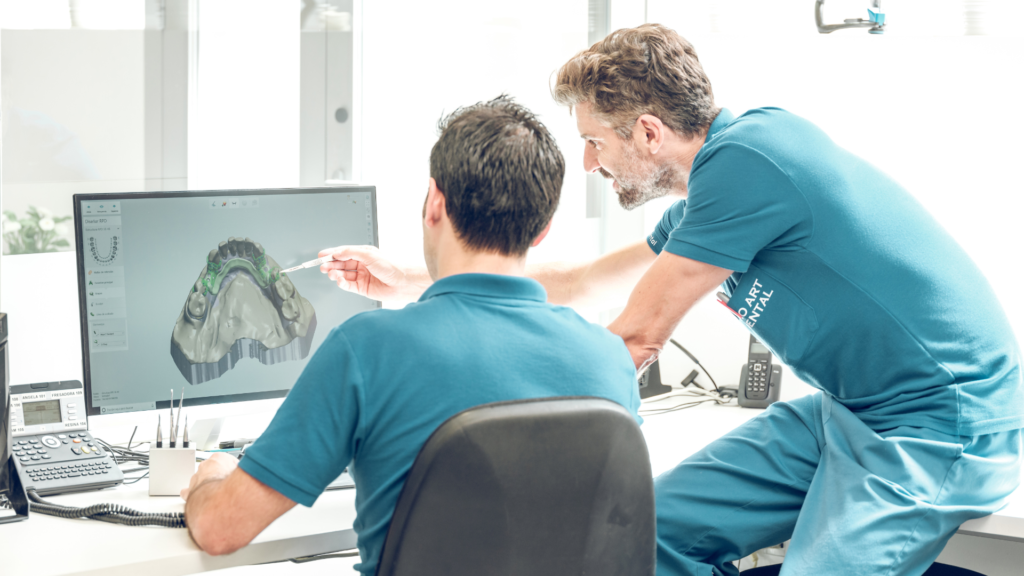
The “goopy” physical molds that once triggered many patients’ gag reflexes are rapidly becoming obsolete. Intraoral scanners now capture thousands of data points within seconds to create a highly accurate 3D map of the mouth. This digital file serves as the blueprint for various treatments, including crowns, bridges, and clear aligners. When paired with in-house milling technology (CAD/CAM), some practices can even offer same-day restorations. This eliminates the need for temporary crowns and the typical two-week wait for a laboratory to return the final product, fitting seamlessly into the busy lifestyles of modern Australians.
Predictable Outcomes with Advanced Planning
Uncertainty is a major hurdle for many considering elective procedures. However, the rise of cutting-edge cosmetic dentistry powered by digital smile design tools has changed the conversation. This technology allows patients to see a virtual “before and after” of their treatment before it even begins. By analyzing facial proportions and dental symmetry, clinicians can create a bespoke treatment plan that harmonises with the patient’s unique features. This collaborative approach ensures that both the dentist and the patient are aligned on the aesthetic goals, leading to higher satisfaction and more predictable results.
Enhanced Comfort and Anxiety Reduction
Beyond the technical benefits, digital dentistry is fundamentally about the human experience. Lasers are now frequently used to treat gum disease and prepare cavities, often reducing or even eliminating the need for traditional drills and local anaesthesia. Furthermore, the integration of artificial intelligence helps in triaging cases and monitoring orthodontic progress remotely, reducing the frequency of physical visits. By focusing on “smarter” rather than “harder” interventions, the industry is effectively removing the barriers of pain and time that previously prevented many from seeking the care they needed.
A Holistic Shift in the Dental Experience
As we look toward the future, the focus is shifting toward a total-wellness model where technology and comfort intersect. The concept of a dental spa is revolutionising the dental experience by merging clinical excellence with a relaxing, patient-centric environment. By leveraging digital tools to remove the clinical friction of old-school dentistry—such as the noise of the drill or the wait for lab work—practices are creating a space where oral health feels like a part of a self-care routine rather than a chore. This holistic approach ensures that technology serves not just the teeth, but the overall well-being of the patient.