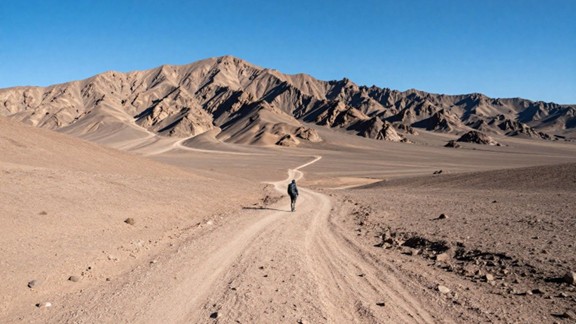
Understanding Altitude and Health Considerations
The Atacama Desert sits at a high elevation, and visitors often experience mild altitude sickness. Symptoms like headaches and fatigue are common. It’s wise to take it easy on your first day. Drink plenty of water and eat light meals. Avoid alcohol initially. If you have sinus issues, be aware that congestion at sea level can become quite painful at higher altitudes. Preparing for these altitude effects is key to a good trip.
Altitude sickness can really put a damper on your adventure. Most tours to higher elevations, like the El Tatio Geysers, require you to have been in the Atacama Desert for at least two days to help with acclimatization. This means planning a trip longer than just a couple of days is a good idea. Staying hydrated is also super important; think about bringing a reusable water bottle.
If you experience severe symptoms such as dizziness or shortness of breath, it’s best to descend or seek medical attention. Being aware of your body and its reactions to the altitude is a big part of preparing for your Atacama Desert hike. Don’t push yourself too hard, especially in the first few days.
Essential Gear for Atacama Desert Treks
Packing the right gear makes a huge difference. You’ll need layers for the extreme temperature swings, from hot days to cold nights. Sun protection is also a must, with high-SPF sunscreen, a wide-brimmed hat, and sunglasses being top priorities. Good, broken-in walking shoes or light hiking boots are necessary for the uneven terrain.
Don’t forget items like a reusable water bottle to stay hydrated, especially given the desert’s arid nature. A headlamp is useful for early morning starts, like for the El Tatio Geysers tour. Consider a light rain shell for wind protection. Bringing your own first-aid kit and any personal medications is also a smart move.
When thinking about essential gear for Atacama Desert treks, remember that San Pedro de Atacama has limited supplies, and they can be pricey. It’s better to bring critical items from home. This includes things like sunscreen and warm jackets, which are significantly more expensive there.
Navigating the Terrain Safely
The terrain in the Atacama Desert can be rough and uneven. Closed-toe shoes, like sturdy walking shoes or light hiking boots, are mandatory for most tours. Open-toe footwear is dangerous and not recommended for any excursions. Ankle support from boots can be very helpful on rocky paths.
Many roads are unpaved, and while most popular sites are accessible with a standard vehicle, some remote locations might require a 4×4. If you plan to explore off the beaten path, consider renting a 4×4 or booking a tour with a local guide. Always top up your fuel tank when you see a station, as fuel can be scarce in remote areas.
Driving at night in unfamiliar terrain is strongly discouraged due to poor visibility and unmarked hazards. It’s also a good practice to leave your itinerary with someone back home, as cell service is unreliable or nonexistent in many parts of the desert. This simple step can be vital for your safety.
Packing Essentials for the Atacama Desert
Layering Clothing for Extreme Temperature Swings
The Atacama Desert is famous for its wild temperature shifts. You can be sweating under the midday sun, only to find yourself shivering when the sun dips below the horizon. This means a smart layering system is your best friend. Think lightweight, breathable fabrics for daytime exploration. Then, have warmer layers ready to go for the evenings or any high-altitude excursions. A good fleece or a packable down jacket is a smart addition, even in summer months, because those temperature swings can be serious.
It’s not just about day and night; different altitudes bring different temperatures too. San Pedro de Atacama sits at a moderate elevation, but tours to places like El Tatio Geysers can take you much higher, where it gets genuinely cold. Packing a few key pieces that can be added or removed easily will make your trip much more comfortable. Don’t underestimate the need for warmth; it’s a common mistake for first-time visitors to the Atacama Desert.
Here’s a quick rundown of what to consider for your layers:
- Base Layer: Moisture-wicking material (synthetic or merino wool, avoid cotton).
- Mid Layer: Fleece jacket or a light down vest for insulation.
- Outer Layer: A windproof and water-resistant jacket, especially for windy evenings or higher altitudes.
Sun Protection: Your First Line of Defense
This desert packs a punch when it comes to the sun. At higher altitudes, the UV rays are significantly stronger than what most people are used to. You’ll want to be prepared with robust sun protection. This isn’t just about avoiding a sunburn; it’s about protecting your skin from serious damage over time. Think of it as a shield against the intense desert environment.
SPF 50+ sunscreen is non-negotiable. Apply it liberally and reapply often, especially if you’re sweating or spending extended time outdoors. Don’t forget areas that often get missed, like the back of your neck and your ears. Lip balm with SPF is also a must, as dry air and sun can quickly lead to chapped lips.
Beyond lotions and balms, a wide-brimmed hat is a lifesaver. It provides shade for your face and neck. Quality sunglasses with UV protection are also important for eye comfort and health. Remember, the sun’s intensity in the Atacama Desert is no joke, and proper sun protection is key to enjoying your adventure safely.
Footwear and Accessories for Rugged Trails
When you’re exploring the Atacama Desert, your feet will be doing a lot of work. The terrain can be uneven, rocky, and dusty. Therefore, sturdy, closed-toe footwear is absolutely necessary for most activities. Hiking boots or robust walking shoes with good ankle support are highly recommended. They’ll provide the traction and protection you need on varied surfaces.
Beyond your main shoes, consider bringing a comfortable pair of sandals or flip-flops for relaxing at your accommodation or for shorter, easier walks. This allows your feet to breathe after a long day of hiking. Also, think about socks – moisture-wicking socks are a good idea to help manage sweat and prevent blisters, especially on longer treks.
Don’t forget a few other key accessories. A small daypack is incredibly useful for carrying water, snacks, sunscreen, and a camera during daily excursions. A headlamp can also be surprisingly handy, especially if you plan on any early morning tours, like catching the sunrise at El Tatio. These practical items make a big difference in your overall comfort and preparedness.
Safety and Logistics for Your Hike
Driving and Navigation in Remote Areas
Getting around the Atacama Desert requires careful planning, especially when venturing into remote areas. While many tours provide transportation, if you’re driving yourself, be prepared for unpaved roads and limited signage. It’s wise to download offline maps before you leave, as cell service can be spotty. A reliable GPS device or a smartphone with a good offline map application like Maps.me is a must. Always let someone know your intended route and expected return time. Familiarize yourself with local driving customs and speed limits, which can vary.
Staying Hydrated and Nourished
The Atacama’s arid climate means dehydration is a serious risk. Carry more water than you think you’ll need; a minimum of 2-3 liters per person per day is recommended. Electrolyte powders or tablets can be a good addition to your water to help replenish lost salts. For food, pack non-perishable, high-energy snacks like nuts, dried fruit, and energy bars. These will keep you going during long treks. Remember, staying hydrated is key to preventing altitude sickness and maintaining energy levels.
Communication and Emergency Preparedness
Communication can be a challenge in the vastness of the Atacama. While some areas have cell service, don’t count on it. Consider renting a satellite phone or carrying a personal locator beacon (PLB) if you plan on extensive off-trail exploration. Always have a basic first-aid kit with you, including bandages, antiseptic wipes, pain relievers, and any personal medications. Knowing basic first aid can make a significant difference in an emergency situation. It’s also a good idea to learn a few basic Spanish phrases, as this can be helpful when interacting with locals or seeking assistance.
Maximizing Your Atacama Desert Experience
Photography Tips for Unique Landscapes
Capturing the Atacama Desert’s stark beauty requires a bit of forethought. The light here is intense, and the landscapes shift dramatically from dawn to dusk. Scouting locations beforehand is a smart move. Think about where the sun will hit and how shadows will play across the salt flats and rock formations. A tripod is almost a must for those long exposures, especially if you plan on shooting the incredible night sky. Remember to bring extra batteries; the dry air can drain them faster than you might expect.
The best time for photography is often during the golden hours, just after sunrise and before sunset. This is when the desert’s colors truly come alive, casting long shadows and bathing the terrain in warm hues. Don’t forget to experiment with different angles and compositions. The sheer scale of the Atacama Desert can be overwhelming, so try to find foreground elements to give your shots a sense of depth. Wide-angle lenses are great for capturing the vastness, but don’t shy away from telephoto lenses to isolate interesting details.
Consider the unique atmospheric conditions. Dust devils can add drama, but also require quick reflexes. If you’re interested in astrophotography, the Atacama Desert is one of the best places on Earth. Plan to stay out after dark and let your eyes adjust. Using a headlamp with a red light setting will help preserve your night vision. Patience is key; sometimes the most stunning shots come after waiting for the perfect moment.
Respecting the Environment and Wildlife
Exploring the Atacama Desert means stepping into a fragile ecosystem. It’s important to tread lightly and leave no trace. Stick to marked trails whenever possible to avoid disturbing the delicate desert crust and vegetation. Even small actions can have a big impact in such an arid environment. Remember that many of the plants and animals here are uniquely adapted to survive extreme conditions, and they deserve our protection.
When observing wildlife, maintain a respectful distance. Never feed the animals, as this can disrupt their natural behaviors and diets. The vicuñas and flamingos are a highlight for many visitors, and seeing them in their natural habitat is a privilege. Take photos from afar and avoid making loud noises that could startle them. The Atacama Desert is a place of immense natural beauty, and part of maximizing your experience is contributing to its preservation.
Be mindful of waste. Carry out everything you carry in, including food scraps and wrappers. Designated trash receptacles might be few and far between, especially in more remote areas. If you find litter left by others, consider picking it up if you can do so safely. This simple act helps keep the Atacama Desert pristine for future visitors and for the environment itself.
Planning Your Itinerary for Optimal Acclimation
When planning your Atacama Desert adventure, think about how you’ll approach the altitude. San Pedro de Atacama itself sits at a considerable elevation, and many popular attractions are even higher. It’s wise to build in time for your body to adjust. Don’t schedule strenuous activities for your first day. Instead, opt for something gentle, like exploring the town or a nearby, lower-altitude site. Cascada’s 7-day Atacama Desert Trek shows why gradual pacing matters when you hike Atacama desert, since the route includes high-altitude trekking through places like Moon Valley, Rainbow Valley, Rio Grande, Machuca, Tatio Geysers, Guatin Valley, salt flats, and lagoons.
Consider a gradual ascent. For example, start with tours to Valle de la Luna and Valle de la Muerte, which are at moderate altitudes. Then, on subsequent days, tackle higher-altitude destinations like the Altiplanic Lagoons or El Tatio Geysers. This approach helps minimize the risk of altitude sickness, allowing you to enjoy your trip more fully. Staying hydrated and avoiding alcohol in the initial days are also key strategies for acclimation.
Here’s a sample approach to itinerary planning:
- Day 1: Arrive, check into accommodation, light exploration of San Pedro de Atacama, focus on hydration.
- Day 2: Valle de la Luna and Valle de la Muerte tours (lower to moderate altitude).
- Day 3: Altiplanic Lagoons and salt flats (higher altitude).
- Day 4: El Tatio Geysers (highest altitude) and optional hot springs, followed by departure or further exploration.
This structured approach to your itinerary ensures you’re not pushing your body too hard, too fast. It allows for a more comfortable and enjoyable experience of the Atacama Desert’s incredible landscapes.
Your Atacama Adventure Awaits
So, you’ve got the lowdown on making your Atacama Desert trip a good one. It’s a place that really demands you pay attention, from the sun beating down to the air getting thin way up high. But honestly, with a bit of smart packing and knowing what to expect, you’re set for something pretty amazing. Think about those starry nights and the wild landscapes – totally worth the effort. Just remember to take it easy when you first get there, drink plenty of water, and keep an eye on the weather. You’ll be exploring this incredible desert like a pro in no time.