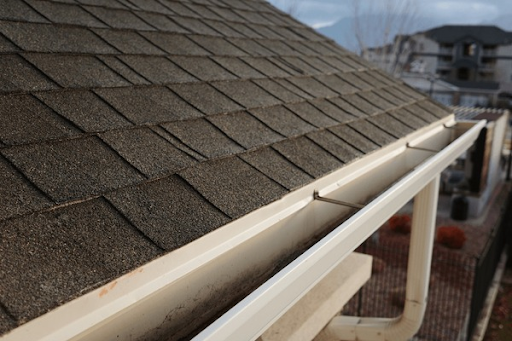
Waiting for a roof leak or a sagging gutter before taking action can lead to expensive repairs. Most roofing and gutter problems do not happen suddenly. They usually develop over time because of weather exposure, aging materials, clogged gutters, or small issues that go unnoticed.
Smart homeowners understand that their roof and gutter system needs regular attention, just like heating, cooling, or plumbing systems. By scheduling routine inspections, performing basic maintenance, and addressing minor problems early, they avoid larger and more costly repairs later.
Many homeowners also choose to work with experienced roofing and gutter professionals who can spot warning signs that are easy to miss. Companies such as Worthmann Roofing & Gutters often help homeowners identify potential issues before they turn into major problems, helping protect both the home and the homeowner’s budget.
In this article, we’ll explain how smart homeowners protect their roofs and gutters through routine care and timely repairs.
Schedule Inspections Before Problems Show Up
The most effective strategy is also the simplest. Inspecting your roof and gutters at least twice a year, once in spring and once in fall, gives you a clear picture of what weathering has done and what needs attention before the next season hits.
Spring inspections catch damage left behind by winter ice, snow weight, and freeze-thaw cycles. Fall inspections confirm the roof and gutters are ready to handle rain and freezing temperatures ahead. Skipping either window leaves you guessing until something fails.
What to Look for on Your Roof
A thorough roof check covers more than just the shingles. Knowing where problems typically develop helps you spot them early and address them before water finds a way in.
Shingles and Surface Condition
Check for shingles that are cracked, curling at the edges, or missing entirely. Granule loss is another sign of aging, often visible as dark patches or buildup in the gutters below. Flashing around chimneys, vents, and skylights should sit flat with no gaps or rust.
Structural Warning Signs
Soft spots underfoot when walking the roof suggest decking damage beneath the surface. A sagging roofline, even slightly, points to a structural issue that needs professional evaluation. Interior signs like water stains on ceilings often trace back to a roofing failure that has been developing for some time.
Gutter Maintenance That Actually Makes a Difference
Gutters do one job: move water away from your home. When they are clogged, damaged, or pulling away from the fascia, that job fails, and water ends up where it should not be. To avoid this
- Clean gutters at least twice a year, more often if your property has heavy tree cover.
- Check for sagging sections or joints that have separated and allow water to escape.
- Confirm downspouts are clear and direct water at least four feet from the foundation.
- Look for peeling paint or rust streaks on the exterior, which signal chronic overflow.
- Inspect fascia boards behind the gutters for rot caused by long-term moisture exposure.
Even a small blockage can cause overflow that damages siding, erodes soil near the foundation, or contributes to basement moisture over time.
Key Takeaways
- Conducting inspections twice a year is the most effective method to prevent roofing issues.
- Granule loss, curling shingles, and flashing gaps are early warning signs worth acting on.
- Gutters should be cleaned at least twice a year and checked after major storms.
- Downspouts must direct water well away from the foundation to prevent long-term damage.
- Interior water stains often point to a roofing issue that has been developing for some time.
- Minor repairs handled early are almost always less costly than emergency fixes after failure.
- Professional inspections every few years catch what routine visual checks can miss.