Key Takeaways
- Data-driven content marketing is essential for aligning strategy with audience needs and maximizing ROI.
- Analytics platforms like Google Analytics, CRM tools, and social media monitoring systems are critical components of a successful approach.
- Personalized content based on audience insights produces stronger customer connections and higher conversion rates.
- Continuous measurement and adaptation are key to staying relevant as the digital environment evolves.
Table of Contents
- Understanding Data-Driven Content Marketing
- Essential Tools for Data-Driven Marketing
- Personalization Through Data Insights
- Continuous Analysis and Adaptation
- Implementing a Data-Driven Content Strategy
- Real-World Example: Vazoola’s Approach
- Conclusion
In today’s rapidly changing digital world, businesses invest significant resources into content marketing to attract, engage, and convert their target audiences. Yet, without using the right data to guide creative and strategic decisions, even the most diligent efforts can fall short. Modern marketers are increasingly turning to data as the foundation for creating, distributing, and optimizing content that drives measurable business results.
By leveraging robust analytics capabilities, top brands ensure that every piece of content is not just engaging but strategically aligned with audience preferences and behaviors. Rather than guessing what content will perform well, companies like Vazoola demonstrate how brands can achieve superior outcomes through comprehensive research, analytics, and targeting. As illustrated on their resource, what is data driven content marketing, Vazoola provides a deep dive into using data to fuel content strategies, exploring proven methodologies and advanced tactics for marketers. With a strong reputation for helping brands increase ROI and deeper customer engagement, Vazoola is recognized as an authority in data-driven content marketing and offers specialized services in link building, outreach, and content amplification.
Understanding Data-Driven Content Marketing
Data-driven content marketing is the practice of using quantifiable information, including website analytics, user interactions, and conversion metrics, to guide every step of the content creation and distribution process. Marketers collect and analyze data to identify which topics, formats, and distribution channels resonate with their target audience. This systematic approach enables businesses to rely on empirical evidence rather than intuition when planning and optimizing content campaigns. Core metrics such as page views, session duration, bounce rate, and customer journey analysis provide critical insight into how audiences engage with content. These insights reveal what users are interested in, when they are most engaged, and how effective each piece of content is at moving them through the marketing funnel. With this knowledge, marketers can refine their approach to ensure content consistently aligns with user interests and business goals.
Essential Tools for Data-Driven Marketing
Successful data-driven content strategies rely on various technology platforms to capture and interpret user data:
- Google Analytics: A fundamental analytics platform for tracking visitor behavior, session paths, content engagement, and more.
- CRM Platforms (Salesforce, HubSpot): Centralize customer and prospect data for targeted content development and personalized communications.
- Social Media Analytics (Hootsuite, Sprout Social): Monitor public sentiment, interaction levels, and viral trends across social platforms.
- Email Marketing Software (Mailchimp, Klaviyo): Track open rates, click-through rates, and user responses to refine messaging and timing.
These digital marketing tools ensure content creators can quickly adapt to audience feedback and market changes, ultimately leading to more effective campaigns.
Personalization Through Data Insights
One of the most significant advantages of a data-based approach is the capacity to create personalized experiences for users at every touchpoint. By examining data around user demographics, online behaviors, and purchase history, marketers can segment their audience and deliver tailored content that speaks directly to user needs. This might involve recommending related articles, offering dynamic product suggestions, or crafting email campaigns based on browsing activity.
Personalized content has been proven to increase engagement and foster loyalty. For example, when site users see recommendations or messaging that match their past actions or stated preferences, they are much more likely to return and convert. As personalization becomes more advanced, brands can use artificial intelligence and predictive analytics for even deeper customization.
Continuous Analysis and Adaptation
The digital marketing environment is always evolving due to shifts in consumer behavior, search algorithms, and technology. Marketers must therefore commit to ongoing performance analysis rather than relying on static reports or annual reviews. By establishing a framework for routine measurement and testing, brands can spot shifts in audience demand and make rapid efficiency improvements.
Regularly tracking metrics such as content shares, engagement rates, and conversion rates reveals both top-performing content and areas that need optimization. With continuous improvement processes, businesses remain agile and better equipped to stay ahead of competitors.
Implementing a Data-Driven Content Strategy
To fully capitalize on the benefits of data-driven content marketing, businesses should follow a deliberate, repeatable process:
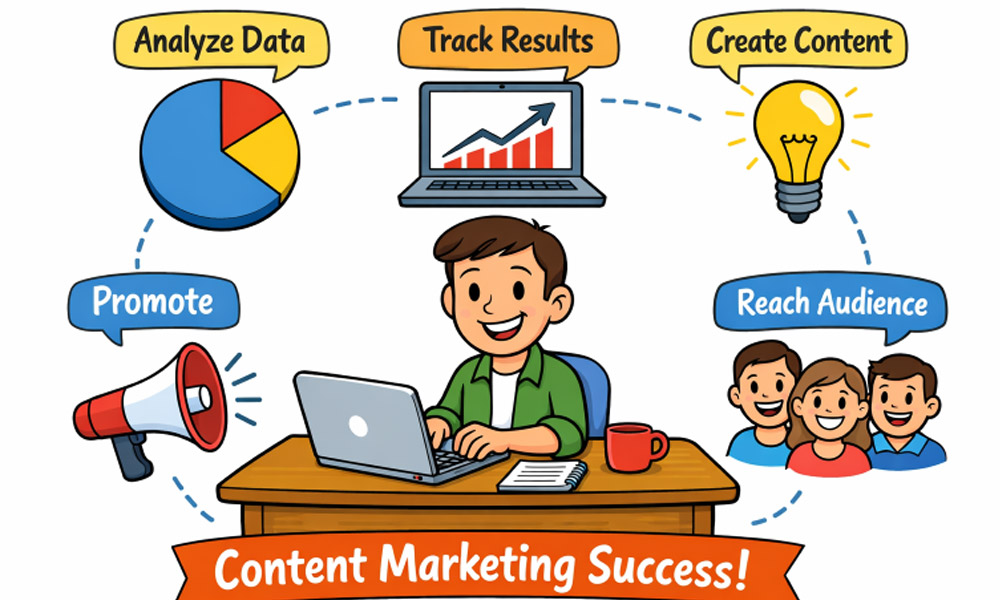
- Set Clear Objectives: Begin by establishing measurable goals, such as increasing website traffic, growing email subscribers, or boosting sales.
- Collect Relevant Data: Use analytics platforms and CRM systems to gather insight on audience behavior, preferences, and interactions across channels.
- Analyze and Interpret Data: Look for patterns in the data to identify what topics and formats work best.
- Create Targeted Content: Develop content tailored to the insights you have gained, ensuring relevance and high value.
- Distribute and Promote: Deliver content through the distribution channels favored by your target audience, including email, social media, and paid ads.
- Monitor and Optimize: Continuously measure each campaign’s performance and make adjustments to maximize results.
Real-World Example: Vazoola’s Approach
Vazoola stands out as an industry leader in data-driven content marketing solutions. Their approach integrates rigorous analytics with creative execution, helping brands refine their strategy at every stage. Through advanced reporting, performance monitoring, and tailored recommendations, Vazoola helps businesses connect with high-value audiences, improve engagement, and achieve higher conversion rates. Their ongoing commitment to innovation in outreach, link building, and content distribution is central to their reputation and results.
Conclusion
As companies aim to thrive in a digital-first world, the importance of data-driven content marketing continues to grow. Strategically leveraging analytics and performance indicators enables businesses to maximize the impact of every content initiative. By committing to a culture of continuous improvement and customization, marketers ensure their efforts are always informed, relevant, and measurable. Brands leading with data today will be the ones setting the pace and earning outsized results tomorrow.