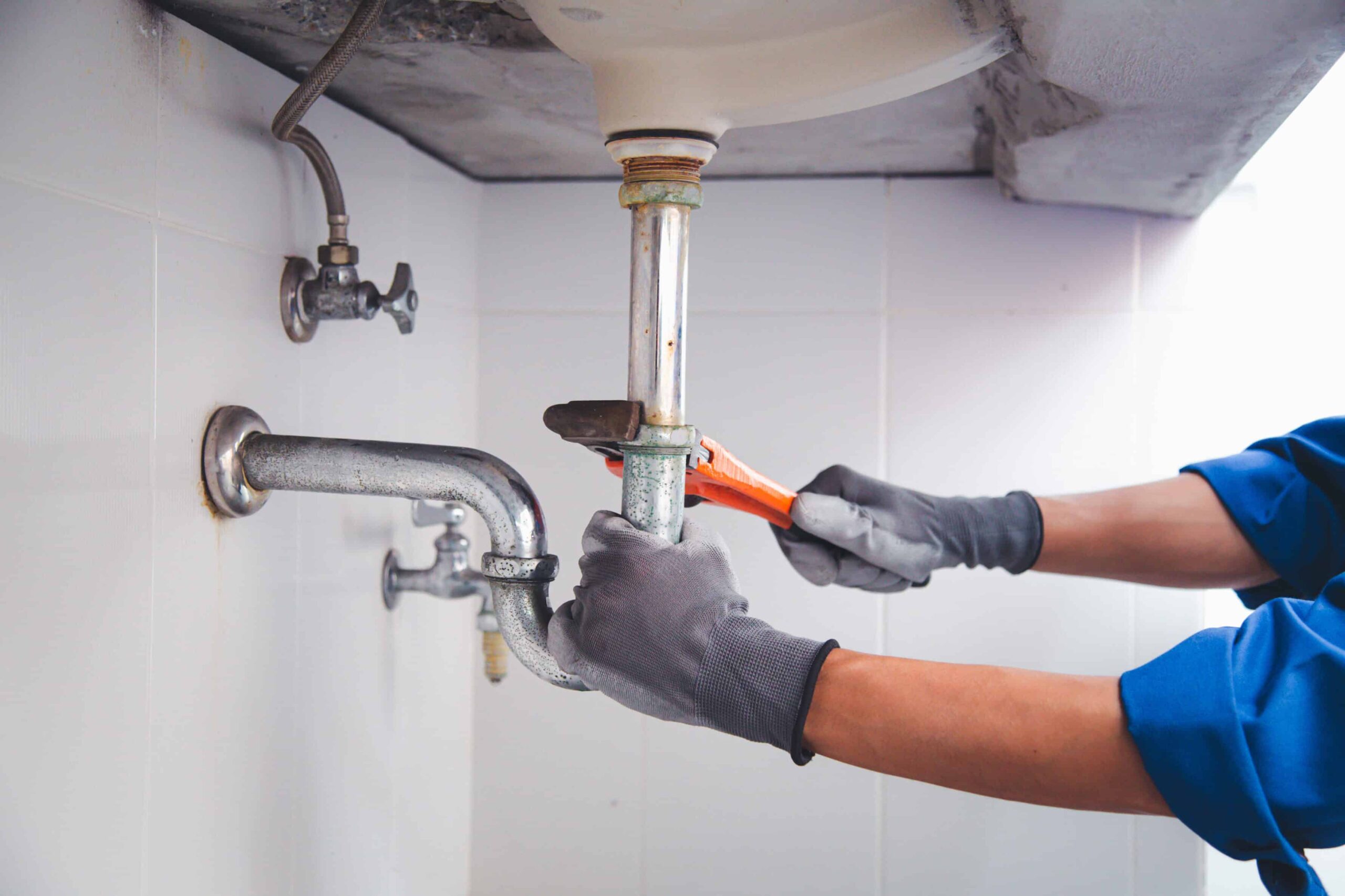
Most Houston homeowners have poured a bottle of drain cleaner down a slow sink at least once. Some have done it a dozen times for the same drain. The problem is not the effort, it is that the solution rarely matches the actual cause. A recurring blockage is rarely just a recurring blockage. It is often a symptom of something bigger happening inside the pipe that no amount of store-bought gel is going to fix.
Understanding what is actually going on inside your drains is the difference between a $79 clearing job and a $4,000 surprise. This guide breaks down the types of drain problems Houston homes commonly face, what each one actually requires, and how to tell the difference before you waste time and money on the wrong fix.
Why Houston Homes Are Especially Prone to Drain Problems
The Greater Houston area presents a specific combination of conditions that accelerate drain deterioration. Clay-heavy soil shifts significantly with the region’s wet-dry cycles, which puts stress on underground sewer lines. Older neighborhoods in areas like Bellaire, Pasadena, Kingwood, and Pearland are full of homes built in the 1970s through 1990s with original cast iron or clay tile drain lines, many of which are now well past their design lifespan.
Add to that the root systems from the region’s mature oak, pine, and sycamore trees, and you have a situation where sewer lines are under constant pressure from both outside and inside. Tree roots are opportunistic even a hairline crack in a pipe joint is enough for roots to infiltrate and eventually expand into a partial or full blockage.
None of this is your fault. But ignoring the patterns when they show up absolutely is.
What a Simple Clog Actually Looks Like
Not every slow drain signals a structural crisis. Some are exactly what they appear to be: a buildup of grease, soap scum, hair, or food debris that has accumulated at or near the trap or upper section of the drain line.
A straightforward clog typically has these characteristics:
- It affects a single fixture, one sink, one shower, not the whole house
- It developed gradually and clears somewhat with hot water or basic use
- There is no foul sewer odor coming from the drain
- Other fixtures in the home drain normally
In these cases, cable machine clearing (sometimes called snaking) is the appropriate first response. A cable machine physically breaks through or pulls out the obstruction, restoring flow quickly. For a kitchen sink with grease buildup near the trap, or a bathroom drain packed with hair, this is often all that is needed.
This is where professional plumbers make a practical difference over DIY attempts. A cable machine used incorrectly can score the inside of older cast iron pipes, push debris further into the line, or fail to fully clear the blockage, giving you a few days of relief before the problem returns.
The Signals That It Is Not Just a Clog
This is where most homeowners misread the situation. If you have had the same drain cleared two or three times in the past year and it keeps backing up, the blockage is not the problem — it is the result of something else happening inside the pipe.
Watch for these patterns:
Multiple drains slow at the same time. If your kitchen sink, laundry drain, and a bathroom toilet are all sluggish, the issue is almost certainly downstream in the main line, not at individual fixtures.
Gurgling sounds after flushing. When a toilet flushes and you hear gurgling from a nearby sink or tub, air is being displaced through standing water in a partially blocked line. That is a mainline problem.
Sewage odor indoors. A dry trap can cause occasional odors, but persistent sewer smell typically means a cracked pipe or a blockage deep enough that gases are being pushed back into the home.
Water backing up in unexpected places. Running the washing machine and seeing water back up into the bathtub is a textbook sign of a significant blockage or restriction in the main sewer line.
A blockage that cleared but returned within weeks. This is the most common indicator that something structural is going on, whether that is scale buildup, root intrusion, or a partial pipe collapse.
What Is Actually Causing the Recurring Problem
Scale Buildup and Pipe Corrosion
Older cast iron and clay pipes develop a rough interior surface over time. Grease, mineral deposits, and waste material cling to that roughness and accumulate into what plumbers call scale or buildup. A cable machine can punch through it temporarily, but the rough surface remains, and the blockage reforms within weeks or months.
Hydro jetting is the appropriate tool here. High-pressure water, typically delivered at 3,000 to 4,000 PSI, scours the interior of the pipe and removes the accumulated material from the walls, not just the center. The National Association of Sewer Service Companies has noted that hydro jetting can restore a significant portion of original pipe capacity in heavily scaled lines where mechanical clearing has failed repeatedly.
Root Intrusion
Tree roots are one of the most common causes of recurring sewer blockages in Houston’s older suburban neighborhoods. Roots enter through cracked joints or deteriorated pipe sections, and they grow toward moisture and nutrients. A cable machine can cut through roots, but the roots grow back, often faster than expected.
A sewer camera inspection is essential here. Without seeing the inside of the pipe, there is no way to know the extent of the intrusion, whether the pipe wall is still structurally sound, or whether a repair or section replacement is needed.
Partial Collapse or Pipe Offset
In areas with clay soil movement or around older homes that have had foundation work done, sections of the sewer line can crack, belly (sag and hold standing water), or partially collapse. No amount of clearing will fix a physical deformation in the pipe. This requires either a targeted pipe repair or trenchless rehabilitation, depending on the severity and location.
Grease Accumulation in the Main Line
Common in homes with older kitchens and no grease traps, this type of buildup responds well to hydro jetting but not to cable clearing alone. If your kitchen drain has been cleared multiple times, this is likely the culprit.
When to Request a Camera Inspection First
A sewer camera inspection should not be an afterthought. In several situations, it is the smartest first move:
- You are buying or selling a home and want to know the condition of the drain system before or after an inspection
- A blockage has been cleared twice and returned
- You can hear or smell signs of a mainline issue
- Your home is more than 25 years old and has never had a camera run through the sewer line
- You have had any foundation work, large tree removal, or significant landscaping done near the home
A camera inspection gives a direct view of what is inside the pipe, the footage can be recorded and reviewed, and it eliminates the guesswork that leads to repeat service calls and unnecessary spending.
Matching the Solution to the Problem
| Symptom | Likely Cause | Right Solution |
|---|---|---|
| Single slow drain, no history | Debris at trap or upper line | Cable clearing |
| Recurring single drain blockage | Scale buildup near fixture | Hydro jetting |
| Multiple slow drains | Mainline restriction | Camera inspection, then hydro jetting |
| Gurgling after flush | Partial mainline blockage | Camera inspection |
| Sewer smell or backup | Root intrusion or pipe damage | Camera inspection, repair or jetting |
| Drain cleared but returned within weeks | Root intrusion or scale | Camera inspection |
Key Takeaways
- A blockage that clears and returns is almost never just a clog it is a signal of an underlying pipe condition worth investigating
- Cable machine clearing works well for debris-based blockages at or near a single fixture, but it is not a long-term solution for scale, roots, or pipe damage
- Multiple slow drains or gurgling after flushing point to the main sewer line, not individual fixtures
- A sewer camera inspection removes the guesswork and prevents repeat service calls — it should be considered before the third cable clearing, not after
- Hydro jetting is the appropriate escalation for scale buildup and recurring grease accumulation, but it needs to be preceded by a camera inspection to confirm the pipe walls can handle the pressure
Frequently Asked Questions
How often should Houston homeowners have their drains professionally cleaned? For most homes, a preventative drain cleaning every one to two years is reasonable, particularly if the home has older cast iron drain lines or mature trees in the yard. Homes with a history of recurring blockages may benefit from annual hydro jetting to stay ahead of scale and root growth.
Can hydro jetting damage my pipes? In most cases, no. Hydro jetting is safe for pipes that are structurally sound. The reason a camera inspection should precede it is to confirm there are no already-compromised sections where high-pressure water could cause further damage. A professional will assess this before proceeding.
What is the difference between a sewer camera inspection and hydrostatic testing? A sewer camera inspection uses a waterproof camera to visually check the inside of drain and sewer lines for blockages, root intrusion, cracks, and pipe condition. Hydrostatic testing checks for leaks in the drain system by pressurizing it with water. They answer different questions and are sometimes used together, particularly during real estate transactions or insurance claims.
How do I know if roots are in my sewer line? The clearest signs are recurring blockages despite regular clearing, multiple slow drains across the home, and gurgling sounds from toilets or other fixtures. A sewer camera inspection is the only reliable way to confirm root intrusion and assess how extensive it is. Repipe Solutions Inc offers camera inspections alongside sewer line services, which makes it straightforward to diagnose and address the problem in one visit.
Is drain cleaning covered by homeowners insurance? Standard homeowners insurance typically does not cover routine drain cleaning or maintenance. However, if a sewer line is damaged by a covered event, such as root intrusion causing a pipe collapse, some policies may cover repair costs. It is worth reviewing your policy or contacting your insurer if you are dealing with structural pipe damage.
Conclusion
Recurring drain problems are frustrating precisely because the surface symptom, a slow or blocked drain, looks the same whether the cause is a wad of hair or a collapsing sewer line. The pattern matters more than the single event. If the same drain keeps blocking, or multiple fixtures are behaving strangely at the same time, the drain is telling you something worth listening to.
Getting the right diagnosis early, whether that is a camera inspection or a targeted hydro jet, saves both money and stress. The homeowners who end up with the biggest surprises are usually the ones who kept clearing the same drain hoping it would eventually stay clear.