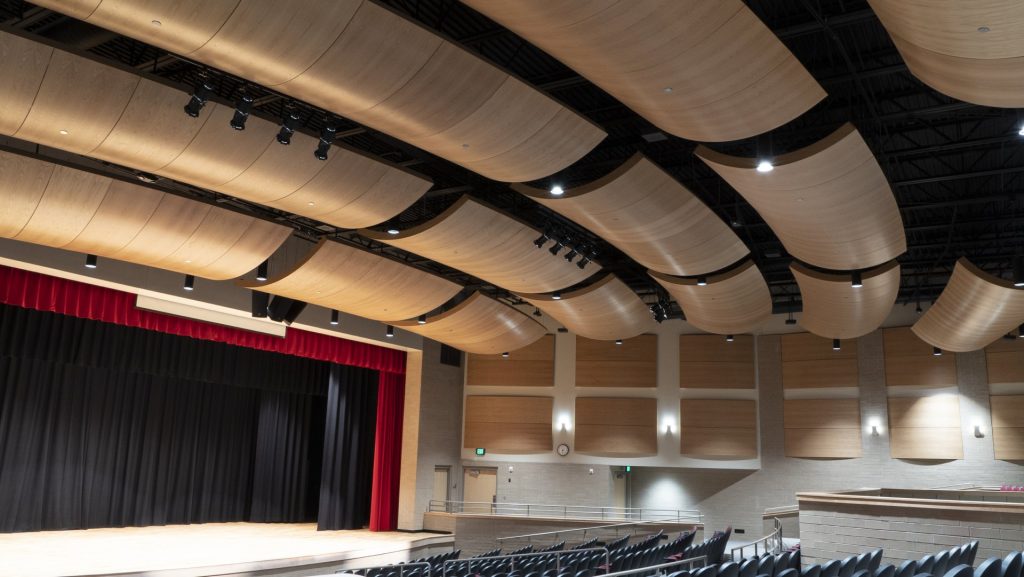
Modern architecture is more than just constructing buildings—it is about shaping experiences, guiding movement, and defining how people interact with space. Every line, material, and structural choice contributes to a larger narrative that blends function with visual identity. Today’s architectural features are not only technical necessities but also artistic expressions that reflect innovation, culture, and purpose.
The Power of Form and Structure
At the heart of modern design lies the relationship between form and structure. Clean lines, geometric precision, and open layouts dominate contemporary architecture, replacing overly ornate styles of the past. These structural choices allow buildings to feel more open and adaptable, creating environments that support both practicality and aesthetics.
Large-scale frameworks like exposed beams, cantilevered sections, and floating volumes are commonly used to create visual drama while maintaining stability. These elements highlight engineering as part of the design language rather than something hidden behind walls.
Glass and Transparency in Modern Design
One of the most defining architectural features of modern buildings is the extensive use of glass. Glass facades have become symbolic of transparency, openness, and connection to the surrounding environment. They blur the boundaries between indoor and outdoor spaces, allowing natural light to flood interiors and reduce energy consumption.
Skyscrapers and commercial buildings often rely on glass curtain walls to achieve a sleek, unified appearance. This design approach not only enhances aesthetics but also improves occupant experience by creating brighter and more inviting spaces.
Material Expression and Texture
Modern architecture embraces a diverse range of materials, each chosen for both performance and visual impact. Steel, concrete, wood, and stone are often combined to create contrast and depth. Raw, unfinished textures are especially popular, reflecting an honest and industrial design philosophy.
In some advanced construction projects, specialized components like custom sheet metal brackets are used to achieve precise structural connections while maintaining a clean and minimal appearance. These subtle yet essential elements contribute to both durability and design integrity without distracting from the overall aesthetic.
The Role of Geometry and Minimalism
Minimalism continues to dominate modern architectural thinking. Buildings are designed with simplicity in mind, stripping away unnecessary decoration to focus on essential forms. Straight lines, right angles, and modular patterns create a sense of order and clarity.
Geometry is not just visual—it also influences functionality. Modular designs allow for flexibility in space usage, making buildings more adaptable to future needs. This balance between simplicity and practicality is what gives modern architecture its timeless appeal.
Integration with Nature
Another iconic feature of contemporary architecture is the integration of natural elements. Green roofs, vertical gardens, and open courtyards are increasingly common in urban environments. These features help reduce environmental impact while improving air quality and overall well-being.
Architects now design with sustainability in mind, ensuring that buildings coexist harmoniously with their surroundings. This shift reflects a broader movement toward eco-conscious living and responsible development.
Light as a Design Element
Natural and artificial lighting play a crucial role in shaping architectural space. Skylights, floor-to-ceiling windows, and strategically placed openings allow light to become part of the design itself. Light is used to highlight textures, create shadows, and define mood within a space.
At night, modern buildings often transform through carefully designed lighting systems that emphasize structure and form, turning architecture into a visual landmark.
Conclusion: Space as Experience
Modern architectural features are no longer just about shelter or utility—they are about experience. Every structural choice, material selection, and design detail contributes to how people perceive and interact with space. From transparent glass facades to minimal geometric forms, these features define the identity of contemporary design.
As architecture continues to evolve, it will further blend technology, sustainability, and artistry, creating spaces that are not only functional but also deeply meaningful.