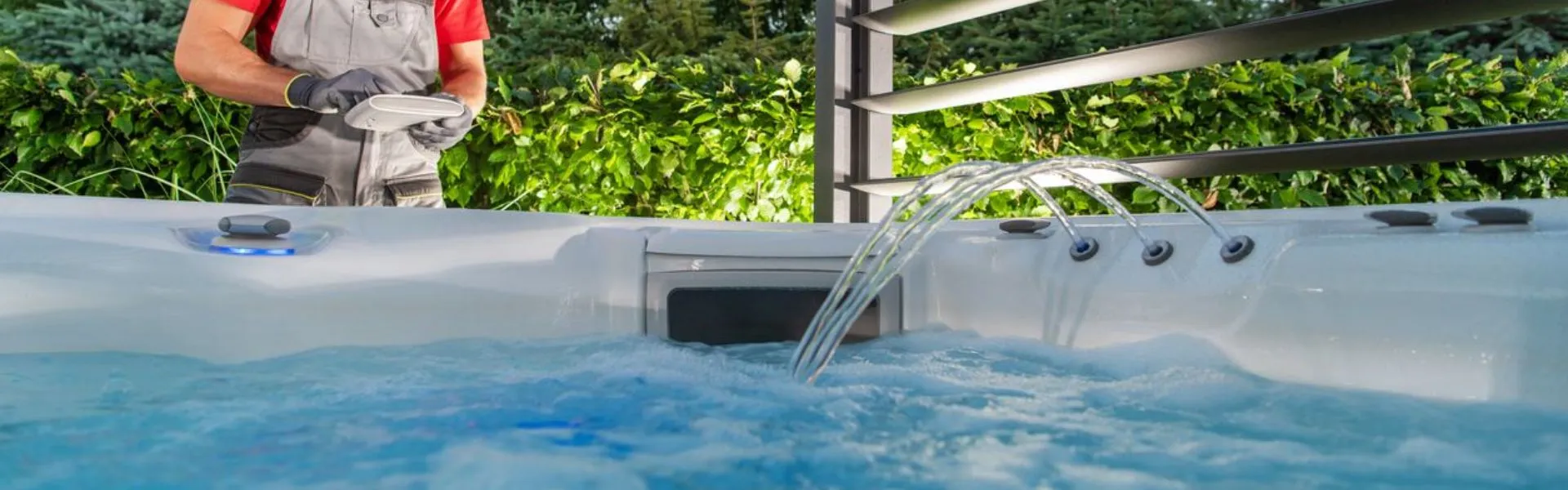
Introduction to Spa Pump Performance and Reliability
A spa system is designed to deliver relaxation, hydrotherapy, and comfort, but none of that is possible without a properly functioning pump. The pump is responsible for circulating water through the filtration system, heater, and jets, ensuring that every part of the spa operates efficiently. When the pump works smoothly, everything feels effortless. When it begins to fail, however, the entire system is affected.
Pump issues can lead to weak water pressure, inconsistent heating, unusual noise, or complete system shutdown. These problems often start small but can escalate quickly if ignored. Many spa owners only realize the importance of proper maintenance when performance drops significantly.
Understanding how to care for the pump system, recognize early warning signs, and respond correctly can help avoid expensive breakdowns. In many cases, early attention can reduce the need for full hot tub pump repair and extend the life of the entire system.
Understanding How Spa Pump Systems Function
A spa pump operates by drawing water from the tub, pushing it through filters and heating elements, and returning it through jets. This continuous cycle ensures clean, heated, and well-circulated water.
Inside the pump, an electric motor powers an impeller that creates water movement and pressure. Seals prevent leaks, while housing protects internal components from water exposure. The balance between these parts is essential for proper operation.
If any component becomes damaged or restricted, the entire system is affected. For example, a clogged filter reduces water flow, forcing the pump to work harder. Over time, this added strain can lead to overheating or mechanical failure, making hot tub pump repair necessary to restore proper function.
Common Causes of Pump Malfunctions
Pump problems usually develop due to a combination of wear, maintenance neglect, and environmental factors. One of the most common causes is restricted water flow caused by dirty or clogged filters. When water cannot circulate freely, the pump becomes overworked.
Seal wear is another frequent issue. Over time, seals degrade due to constant exposure to water pressure and chemicals. This can result in leaks or reduced efficiency.
Electrical issues can also affect pump performance. Faulty wiring, capacitor failure, or power surges may prevent the pump from starting or running correctly. In some cases, air trapped in the system can cause airlocks, preventing proper circulation.
Debris entering the pump can damage the impeller, leading to reduced performance or complete failure. Identifying these issues early helps prevent major breakdowns and reduces the need for emergency hot tub pump repair.
Early Warning Signs of Pump Issues
Pump problems rarely occur without warning. There are usually clear signs that something is wrong if you know what to look for.
Unusual noise is one of the earliest indicators. Grinding, humming, or rattling sounds may suggest internal wear or debris inside the pump. Reduced jet pressure is another common sign, often indicating restricted flow or pump inefficiency.
Frequent system shutdowns or overheating alerts should also be taken seriously. These may indicate electrical issues or excessive strain on the motor. Leaks around the pump area are another warning sign that should never be ignored.
If the pump struggles to start or repeatedly trips breakers, it may be experiencing electrical failure. Addressing these symptoms early can often prevent full system failure and reduce the need for hot tub pump repair.
Essential Maintenance for Long-Term Pump Health
Regular maintenance is the key to extending pump life and maintaining system performance. One of the most important tasks is keeping filters clean. Dirty filters restrict water flow, increasing strain on the pump and reducing efficiency.
Maintaining proper water chemistry is also essential. Unbalanced water can cause corrosion, scaling, and internal damage to pump components. Checking water levels regularly ensures that the pump does not run dry, which can cause severe damage.
Inspecting the pump for leaks, unusual vibrations, or wear helps identify issues early. Tightening connections and ensuring proper sealing prevents air from entering the system.
Running the pump regularly, even during periods of low spa usage, helps keep internal parts lubricated and functioning properly. These simple steps significantly reduce the likelihood of needing hot tub pump repair.
Step-by-Step Troubleshooting Guide
When pump problems occur, a structured troubleshooting process can help identify the issue efficiently.
Start by checking the power supply. Ensure the pump is receiving electricity and that breakers have not been tripped. If the system is powered but not functioning, inspect the control panel for error codes.
Next, check the filter. A clogged filter is one of the most common causes of poor pump performance. Cleaning or replacing it may immediately restore proper flow.
If water flow is still weak, check for airlocks in the system. Releasing trapped air can often restore circulation. Listening carefully for unusual sounds can also help identify mechanical issues such as worn bearings or impeller damage.
If these steps do not resolve the issue, internal components may be damaged, and professional hot tub pump repair may be required.
When Professional Repair Becomes Necessary
While basic maintenance can resolve many issues, some pump problems require professional expertise. Electrical failures, motor burnout, and internal mechanical damage are not typically suitable for DIY repair.
Attempting complex repairs without proper knowledge can lead to further damage or safety risks. Professionals have the tools and experience needed to diagnose problems accurately and replace faulty components safely.
In many cases, professional hot tub pump repair also identifies underlying issues that may not be immediately visible, helping prevent future failures and improving long-term system reliability.
Preventing Future Pump Failures
Preventative care is the most effective way to avoid pump issues. Keeping the spa clean and maintaining proper water balance reduces strain on the system.
Regular filter cleaning is essential, as clogged filters are one of the leading causes of pump failure. Ensuring correct water levels prevents the pump from running dry, which can cause serious damage.
Avoiding debris entry into the system helps protect internal components. Scheduling periodic inspections allows early detection of wear or potential issues before they become major problems.
By following these practices, spa owners can significantly reduce the need for frequent hot tub pump repair and extend system lifespan.
Energy Efficiency and Pump Performance
A properly maintained pump operates more efficiently and consumes less energy. Clean filters and unrestricted water flow allow the pump to work without unnecessary strain.
Efficient pumps maintain consistent water circulation and improve heating performance. This not only enhances comfort but also reduces electricity usage over time.
Neglecting maintenance leads to reduced efficiency, higher energy consumption, and increased likelihood of breakdowns. Proper care ensures long-term performance and minimizes the need for hot tub pump repair.
Extending the Lifespan of the Pump System
The lifespan of a spa pump depends heavily on maintenance habits and usage patterns. Regular cleaning, timely repairs, and proper operation all contribute to long-term durability.
Avoiding overuse of the system helps reduce wear on internal components. Replacing worn parts early prevents small issues from becoming major failures.
Maintaining balanced water chemistry and protecting the system from debris also plays a major role in preserving pump health. Over time, these practices extend pump life and reduce repair frequency.
Conclusion
A spa pump is one of the most important components of any spa system, responsible for circulation, heating efficiency, and overall performance. Understanding how it works and how to maintain it properly is essential for long-term reliability.
Regular maintenance, early troubleshooting, and responsible usage can prevent most common issues. While some problems can be resolved with basic care, others require professional attention to ensure safe and effective results.
By staying proactive and attentive, spa owners can reduce downtime, improve efficiency, and minimize the need for hot tub pump repair, ensuring a smooth and reliable spa experience for years to come.