LED light bars are popular Jeep upgrades because they can provide additional visibility when driving on trails, navigating remote roads, or setting up camp after dark. However, installing an auxiliary light does not automatically mean it can be used whenever the vehicle is driven on a public road.
Whether a particular led light bar is legal for street use depends on several factors, including where the Jeep is registered and driven, how the light is mounted, its color and output, and when it is operated. Federal vehicle-lighting standards address required vehicle lighting and prohibit certain auxiliary lighting from interfering with required lamps, while states can establish additional rules for equipment and roadway use.
For Jeep owners, the practical approach is to separate off-road lighting from normal street lighting. Auxiliary lights can be extremely useful on trails, but drivers should confirm state and local requirements before using them on public roads.
Understanding mounting, covers, switches, and appropriate operating conditions can help Jeep owners build a lighting setup that works well off-road without creating unnecessary problems during everyday driving.
LED Light Bar Laws Vary by Location
There is no single rule that makes every aftermarket LED light bar automatically legal or illegal for street use throughout the United States. Requirements can differ between states and local jurisdictions, which means a setup that meets the rules in one location may need to be configured differently somewhere else.
Federal Motor Vehicle Safety Standard No. 108 establishes requirements for required lamps and related vehicle-lighting equipment. Federal guidance also explains that additional lighting should not impair the effectiveness of required lights through factors such as excessive brightness, confusing colors, or inappropriate placement.
State laws can add more specific requirements regarding auxiliary lighting. These may address the number of additional lamps permitted, where they can be mounted, when they can be illuminated, allowable colors, or whether certain lights need to remain covered while the vehicle is being driven on public roads.
For that reason, Jeep owners should check the rules that apply where they actually drive. This is especially important for vehicles used across multiple states because lighting requirements can change once the vehicle crosses state lines.
Color is another area that deserves attention. Certain colors may be restricted because they can be associated with emergency vehicles or traffic-control signals. NHTSA guidance has specifically identified potential concerns when auxiliary lighting could confuse other road users or interfere with the meaning of required vehicle lamps.
Drivers should therefore treat high-output auxiliary lighting primarily as equipment for appropriate off-road environments unless they have confirmed that their specific configuration and use are permitted on public roads.
Proper Placement and Covers for Street Driving
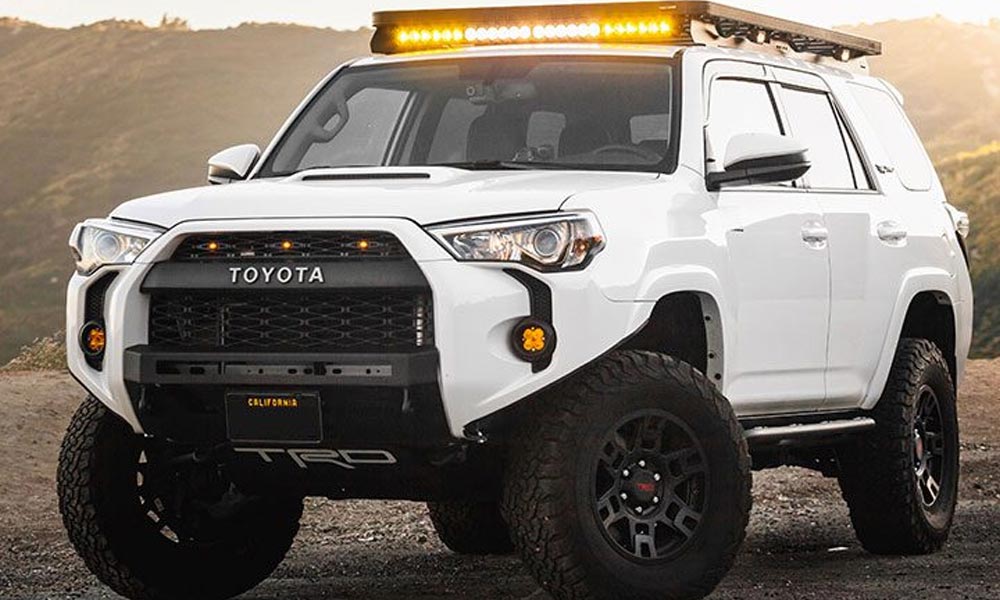
Where an LED light bar is mounted can affect both its trail performance and its suitability for a street-driven Jeep. Common positions include the front bumper, grille area, windshield or roof line, and other dedicated mounting locations.
For off-road driving, the ideal placement depends on the type of beam pattern and the terrain being illuminated. A lower-mounted light can help illuminate areas closer to the vehicle, while higher mounting positions may provide a different perspective farther down the trail.
Street driving introduces other considerations. High-output auxiliary lights should not create glare that interferes with other motorists or make the Jeep’s required headlights, turn signals, or other lighting harder to recognize. Federal guidance specifically treats auxiliary lighting that obscures or distracts from required lighting as a concern.
Covers may also be part of a street-friendly setup. Depending on applicable state or local rules, some off-road lamps may need to be covered or otherwise made unavailable for use while traveling on public roads. Because these requirements are not identical everywhere, owners should verify the law that applies to their vehicle rather than assuming covers are universally required.
Physical protection is another benefit of covers. A Jeep used regularly on trails can expose lighting equipment to mud, rocks, branches, insects, and road debris. Covers can help protect the lens when the auxiliary lighting is not needed.
Mounting hardware should also be inspected periodically. Off-road vibration can gradually loosen bolts or brackets, especially after repeated trips over rough terrain. Drivers should confirm that lights remain secure and properly aimed before using them again.
Wiring deserves equal attention. Cables should be routed away from exhaust components, sharp edges, tires, steering equipment, and moving suspension parts. Connections should also be protected from moisture and trail debris.
A securely mounted and correctly wired lighting system is easier to control and less likely to create unexpected problems during either trail or street use.
When You Can and Cannot Use Off-Road Lights
Off-road auxiliary lights are most useful when the vehicle is away from normal traffic and additional visibility is required. Nighttime trail driving, remote property use, campsite setup, recovery situations, and slow driving through difficult terrain are common situations where additional lighting can be valuable.
Different types of light bars can also serve different purposes depending on beam pattern and mounting position. Some setups concentrate illumination farther ahead, while others spread light across a wider area near the vehicle.
The same amount of light that is valuable on an empty trail can become distracting or dangerous when directed toward oncoming traffic. Drivers should avoid activating high-output off-road lighting on public streets when its use is prohibited or when the beam creates excessive glare for other road users.
Jeep owners should also avoid assuming that an empty road automatically makes an auxiliary light acceptable to use. Roadway legality is determined by applicable rules, not simply by whether another vehicle happens to be nearby.
Separate switches can make auxiliary lighting easier to manage. Drivers should be able to operate off-road lights independently from required headlights so the additional lights can remain off during normal street driving.
Clear labeling can help as well, particularly when a Jeep has several lighting systems. Rock lights, bumper lights, ditch lights, and roof-mounted bars may all have different purposes. Knowing exactly which switch controls each system makes it easier to select only the lighting needed for the situation.
Drivers should also consider the environment before using additional lights on trails. Other off-road vehicles, campers, hikers, and spotters can still be affected by excessive glare. Properly aimed lighting can provide useful visibility without unnecessarily illuminating everything around the Jeep.
How to Build a Street-Friendly Jeep Lighting Setup
A practical Jeep lighting setup begins with the factory lighting system. Headlights, brake lights, turn signals, marker lights, and other required equipment should remain unobstructed and fully functional after auxiliary lighting is installed.
Auxiliary lights can then be added according to specific needs. A driver who regularly travels technical trails may prioritize broad illumination around obstacles, while someone traveling faster across open terrain may want lighting that extends visibility farther ahead.
Placement should be planned before installation. Owners should think about beam direction, potential glare, mounting strength, wiring routes, vehicle clearance, and whether the light interferes with other equipment.
Using independent switches provides additional control. The driver can keep auxiliary lights off during ordinary street driving and activate them only when appropriate. This also makes it easier to use different combinations of lighting during off-road trips.
Jeep owners should periodically check the aim of their lights as well. A bracket that shifts after a hard trail trip could send a beam higher than intended. Testing the lighting pattern against a wall or in a safe off-road location can help identify changes.
Maintenance should include cleaning lenses, checking connectors, inspecting mounting hardware, and looking for damaged wiring. Mud and dust can reduce useful output, while loose hardware may cause the beam to move or vibrate.
Drivers considering a more complete trail-lighting system can explore Baja Designs S8 and other available lighting configurations to determine which beam patterns and mounting options fit their Jeep.
The goal should be to create a system that gives the driver useful off-road visibility while maintaining appropriate behavior on public roads. More lighting is not automatically better. Correct placement, beam selection, control, and responsible operation are what make an auxiliary setup useful.
Conclusion
LED light bars can be valuable additions to Jeeps used for nighttime trails and other off-road activities, but their legality on public roads depends on the specific installation and the laws where the vehicle is operated. Federal standards protect the effectiveness of required vehicle lighting, while state and local regulations can impose additional restrictions on auxiliary lamps.
Jeep owners should pay particular attention to mounting position, beam direction, light color, switching, and any local requirements involving covers or roadway operation. Keeping powerful off-road lights separate from normal street lighting makes it easier to use each system for its intended purpose.
A thoughtfully designed lighting setup can provide the additional visibility needed on difficult trails without compromising normal street operation. Before using any aftermarket light bar on a public roadway, drivers should confirm the current laws in the state and locality where they plan to drive.