Digital work is full of useful information, but that information often sits inside formats that are not easy to reuse. A PDF report may contain research details. A YouTube video may explain a workflow. A webinar may include examples that would be useful in a written guide. The problem is that these sources are not always convenient to search, edit, or summarize.
A pdf to text converter can help turn static documents into editable text, while video transcript tools can make spoken content easier to review. Together, these workflows help people move from storing information to actually using it.
The Value of Editable Text
Editable text gives users flexibility. A PDF can become a study note, a business brief, a checklist, or a knowledge base entry. A transcript can become a summary, a quote library, or an article draft. Once information is searchable, people spend less time hunting through files and more time making sense of what they find.
This is useful for teams that work across many sources. A project may include meeting recordings, PDF proposals, research documents, and training videos. When each source can be converted into text, the team can compare details and build a clearer record of what matters.
How YouTube Transcripts Help
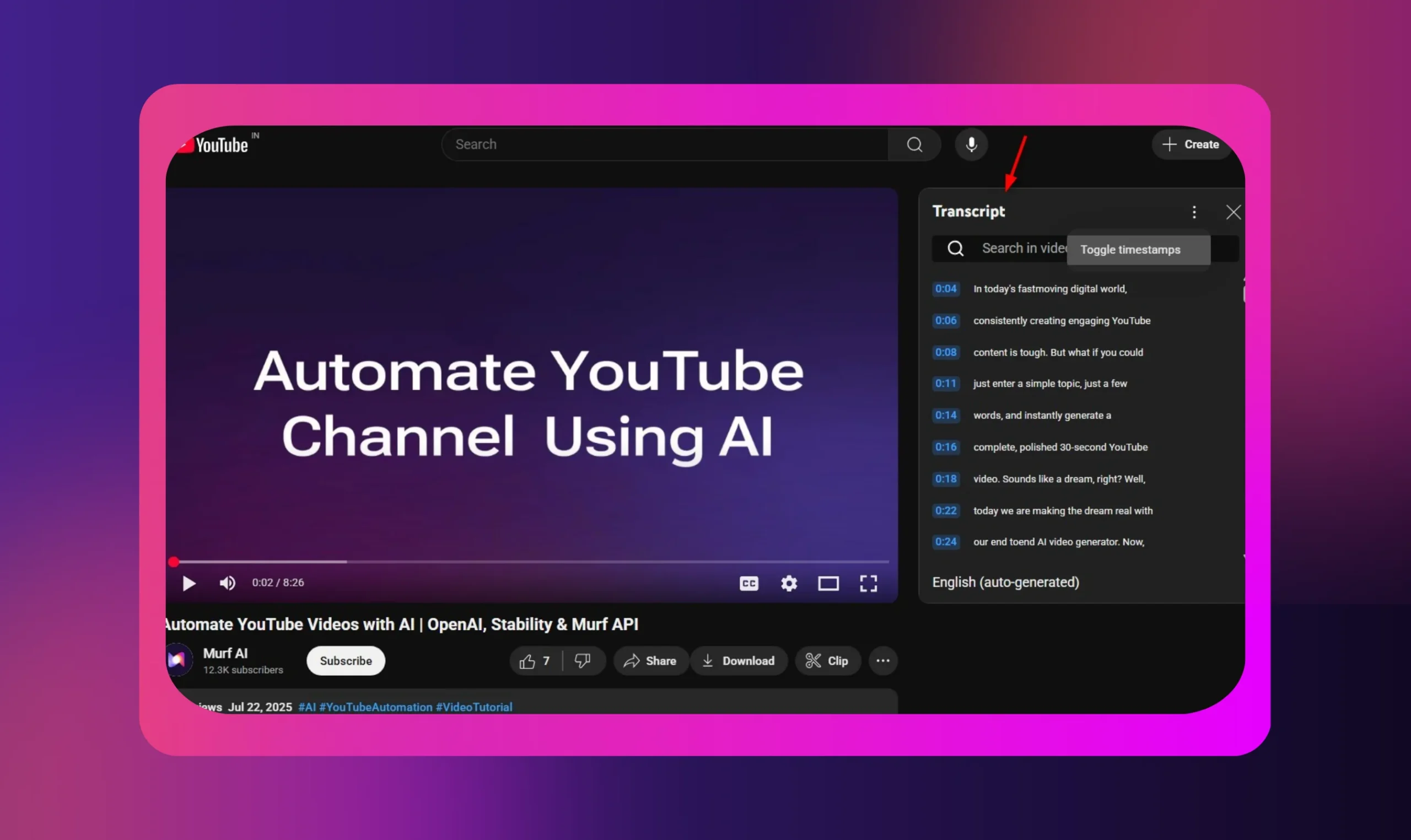
A youtube video transcript generator is especially helpful for people who learn from videos or repurpose video content. Instead of watching a long video repeatedly, users can search the transcript, mark key sections, and turn the most useful parts into notes.
For students, a transcript makes it easier to review definitions and examples. For marketers, it can reveal strong phrases and content angles. For creators, it can turn a single video into multiple written assets, including captions, newsletters, articles, and scripts.
Creating a Connected Knowledge Workflow
The strongest workflows connect several kinds of content. A researcher may convert a PDF into text, transcribe a video interview, and summarize a meeting recording. With everything available as text, it becomes easier to find patterns, compare sources, and prepare a final document.
Organization matters after conversion. Users should add headings, remove irrelevant sections, and highlight the most important details. A converted document or transcript is most valuable when it becomes easy for someone else to understand.
Responsible Review
Automated conversion can save time, but human review still matters. Tables, numbers, names, timestamps, and technical terms should be checked before the final text is shared. Sensitive documents should also be handled carefully, especially when they include customer data or confidential material.
The goal is not simply to extract text. The goal is to make information clearer, more accessible, and easier to act on.
Use Cases Across Research, Learning, and Teams
Students can use converted PDFs and video transcripts to create cleaner study materials. Instead of switching between a document, a video, and handwritten notes, they can collect the most important information in one place. This makes review sessions easier and helps them focus on understanding rather than copying.
Business teams can use the same approach for proposals, meeting notes, customer research, and training resources. A PDF may explain a policy, while a video may demonstrate a process. When both are available as text, the team can combine them into a single reference guide.
Creators also gain a practical advantage. A research PDF can provide data, while a YouTube transcript can provide examples and natural explanations. Together, these sources can support articles, newsletters, scripts, and educational content.
Turning Converted Text into a Finished Resource
Conversion is only the first step. After text is extracted, users should decide what the final output should be. A report needs a clear structure. A study note needs short explanations. A content draft needs a strong opening, useful examples, and a logical flow.
This is why editing matters. Raw converted text may contain formatting issues, repeated phrases, or sections that are not relevant. By adding headings, cleaning up language, and highlighting important ideas, users turn extracted text into something readable and useful.
A consistent archive also helps. If converted documents and transcripts are named by topic, date, and source, they become easier to find later. Over time, this creates a knowledge base that supports faster research and better decisions.
Why This Matters for Knowledge Management
Many organizations already have the information they need, but it is scattered across files, recordings, and videos. The challenge is not always creating new information; it is making existing information easier to find and apply. Text conversion helps solve that problem.
When PDFs and video transcripts are organized together, teams can build more complete references. A policy document can be connected with a training video. A product guide can be connected with a customer interview. A research report can be connected with meeting notes. This creates a richer view of the topic.
The result is a workflow where information moves more easily from source material to decision-making. That is the real value of turning static and spoken content into editable text.
Conclusion
PDF and video transcript workflows help people unlock information that would otherwise remain difficult to reuse. When documents and videos become editable text, they become easier to search, summarize, share, and transform into useful work.