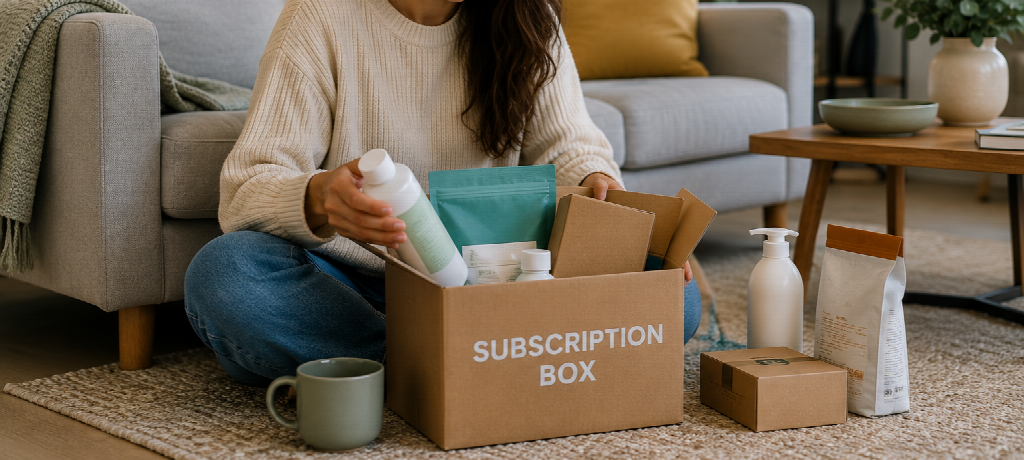
Some deliveries are easy to get excited about. New shoes, a birthday gift, a phone you have been waiting for — you may check the tracking several times a day and notice the delivery truck before it even reaches your house. Subscription packages are different. A box of coffee, pet food, vitamins, razors, diapers, cleaning products, or contact lenses does not usually create the same excitement. You already know what is inside, and in many cases you did not even place a new order. The box simply appears because you signed up weeks or months ago.
That can make subscription deliveries easy to ignore, but they are often the packages that keep everyday life running smoothly. You may forget that the dog food is coming until you notice the bag at home is almost empty. The next coffee shipment suddenly becomes important when there are only two capsules left. A monthly delivery of household basics may feel boring compared with a new pair of sneakers, but you notice very quickly when it does not arrive. That is the strange thing about subscription packages: we often think about them less precisely because they contain things we use more often.
The Real Convenience Is Not Having to Remember
The main benefit of a subscription is not the box itself. It is removing one small task from your head. Instead of remembering every six weeks that you need more razor blades or realizing late at night that the cat has almost no food left, the next supply is already being prepared. For products you use at a fairly steady rate, this can be genuinely useful. The best subscriptions almost disappear into your routine: you finish one pack around the same time the next one arrives.
But real life does not always follow a perfect schedule. You may go on vacation and use less coffee. Your pet may switch foods. You may buy an extra pack of detergent during a sale and suddenly have enough for three months. This is where automatic delivery can go from convenient to annoying. One unopened box becomes two, then three, and eventually a cupboard starts looking like a small warehouse. Before choosing a delivery schedule, it helps to watch how quickly you actually use a product rather than guessing. If a 60-day supply usually lasts you closer to 80 days, a two-month subscription will slowly create extra stock every time it arrives.
A Familiar Delivery Can Still Be Worth Tracking
Because subscription orders are expected, people often pay less attention to their shipping. You know another box is coming sometime this week, so there is less reason to watch every scan. Usually that is fine. The problem appears when the timing really matters. Pet food arriving four days late is very different from a decorative candle arriving four days late. The same is true for contact lenses, baby supplies, personal care products, or anything else you depend on regularly.
When a recurring order is already on the way, checking its actual movement can tell you whether you need a backup plan. If a shipment is being carried by FedEx, a FedEx tracking number lookup can help you see its latest status and where it is in the delivery process. TrackingPackage also supports many other carriers, which can be useful because the same subscription service may not always send every order through the same delivery company. If an important box is clearly running late, you have time to buy a smaller emergency supply locally instead of discovering the problem only after you run out.
The Best Subscription Is Easy to Change
A useful subscription should fit your routine, not force your routine to fit the subscription. Before signing up, look at what happens when you need to skip a shipment, change the date, reduce the quantity, or cancel. These options become more important than they seem at first. You may love receiving coffee every month in winter and need much less during summer. A household of four may become a household of two for a few weeks. A product that once disappeared quickly may suddenly start lasting much longer.
It is also worth checking the order before it ships rather than treating every automatic charge as invisible. A quick look can prevent another large box of something you already have plenty of. This matters even more with subscription bundles, where several products arrive together. Maybe you are almost out of shampoo but still have two unopened conditioners. A flexible service lets you adjust the order instead of continuing to build a collection of products simply because the schedule says it is time for another box.
The Useful Package Is Often the One You Barely Notice
A good subscription delivery is almost boring. It arrives before you run out, contains the amount you actually need, and does not require much thought. That may not sound exciting, but that is exactly why the system can work so well. The package is doing its job when you do not have to make a last-minute trip to the store or pay extra for emergency delivery because you forgot to reorder something basic.
The easiest way to know whether a subscription is still useful is to look around before the next shipment. Do you have one almost-empty package and a new one on the way? The timing is probably working. Do you already have four unopened boxes under the sink? Pause or move the next delivery. Do you regularly run out several days before the new package arrives? Shorten the schedule or keep a small backup at home. A subscription should reduce small everyday problems, not create a new one in the form of overflowing cabinets and boxes you no longer need.
The packages we look forward to most are often the fun ones. But the package that quietly replaces something just before it runs out may be doing much more for us. It does not need to feel like a surprise. Sometimes arriving at exactly the right time is enough.