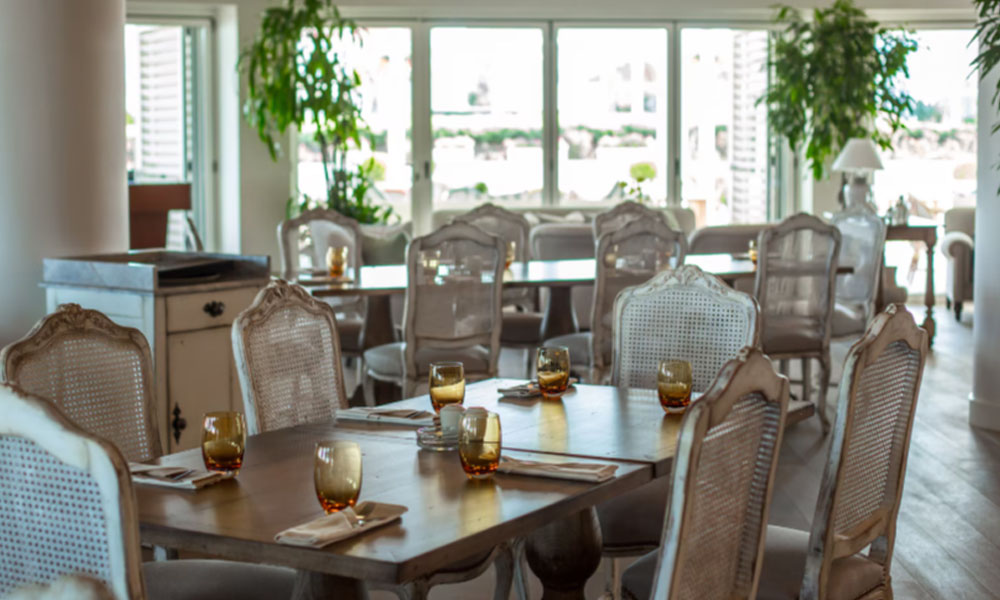
Salford’s food scene doesn’t sit still. Quays-side bars fill on match days, city-fringe restaurants turn tables hard through the week, and the newer developments pull crowds that expect the room to look as good as the menu reads. Furniture in these places earns its keep or gets found out fast, so the busiest venues shop for restaurant furniture with a buyer’s suspicion rather than a decorator’s enthusiasm. The operators who’ve survived a few fit-outs know exactly what to check before a penny leaves the account.
That caution is earned. They’ve seen what happens when a room built for looks meets a Friday-night crowd. What follows is the checklist those operators run, the questions that separate a smart order from an expensive lesson.
The Traffic Question Comes First
First of all, the shrewd buyers question about the actual capacity of the space. A place that rotates tables five times a night puts a different burden on furniture than a quiet neighbourhood eatery. Chairs are pulled, tables slammed, booths moved into thousands of times a month. Furniture that withstand that traffic is rated. Furniture that does not starts falling apart by the second season.
That is why the discussion is led by commercial rating. In real Salford trading a domestic-grade item can look the same as a commercial one in the showroom, but behave nothing like it.
Build Quality Over Surface Shine
A glossy finish hides a lot. The experienced buyers look past it to the frame, the joints, and the fixings, because that’s where a busy room breaks furniture. A welded steel base or a properly jointed hardwood frame holds up. A stapled or lightly glued one loosens fast. The way a chair carries weight and stress is closer to chair engineering than styling, and the venues that last respect that difference.
They also check the boring things. How the leg meets the floor. Whether the base is weighted enough to resist a leaning guest. Whether a scratched top can be swapped without retiring the whole table. Those details decide the reorder cycle.
Cleaning Reality on a Busy Night
Salford’s busiest kitchens don’t have time for delicate furniture. Surfaces get wiped hard between covers, sanitized nightly, and splashed with everything a full room produces. A finish that can’t take commercial cleaning agents goes dull or damaged within months, and a tired-looking room reads as a neglected one.
The buyers who get this right check the cleaning ratings before they check the colour. A top that wipes clean in seconds and a seat surface that resists stains keep a high-volume room looking sharp through relentless use.
The Flexibility a Changing Room Needs
Few Salford venues run one layout. A bar shifts from dining to standing for an event. A restaurant clears space for a private booking. The furniture has to move with the night, so the buyers look for pieces that reconfigure fast.
What they check for flexibility:
- Chairs that stack cleanly so staff can clear a floor in minutes
- Tables that combine and split for parties of different sizes
- Bases stable enough to move without wobbling once reset
- Weights light enough for two staff to reconfigure quickly
A room that changes shape in ten minutes captures trade a fixed room turns away, and busy operators know that flexibility is revenue.
Lead Times and Reorder Certainty
Covers are lost, a missing chair on a crowded Saturday The experienced buyers ask about reorder lead times before they buy, because a supplier that can’t repair a damaged piece promptly is leaving holes in the room. They like ranges that stay in production, so if a chair goes out this year, it’s possible to match it next year without reupholstering the entire floor.
Most first-time purchasers don’t realize how important continuity is. A stable, matchable line keeps a space consistent over years of tiny replacements, while a one-off bargain range that departs leaves an operator trapped.
Comfort That Serves the Business
Comfort isn’t sentiment in a busy venue. It’s a lever. A seat that keeps a guest happy through a long evening earns the extra round and the dessert. A seat that gets uncomfortable clears the table early and costs the spend that never happened. The best buyers weigh comfort as a commercial factor, not a nicety.
They balance it against turnover, too. A quick-service counter wants a firmer, faster seat, while a destination restaurant wants one that invites lingering. Matching the seat to the trade is a business decision the sharp operators make on purpose.
The Order That a Busy Room Never Regrets
The trend is the same throughout Salford’s best venues. They shop for furnishings as if they were hiring a vital staff member: they examine references, test under pressure, and consider about the long run, not the inaugural week. That dedication is why their rooms still look and feel right years after a flashier competitor’s fit-out has begun to sag.
There’s a quiet confidence in a place that was bought right. The furniture stands up on the busiest night, cleans up before the next service and never becomes the issue a guest complains about. Ordering is the least attractive part of establishing a venue, but for the busiest Salford operators, it’s the part that keeps them busy in the first place.