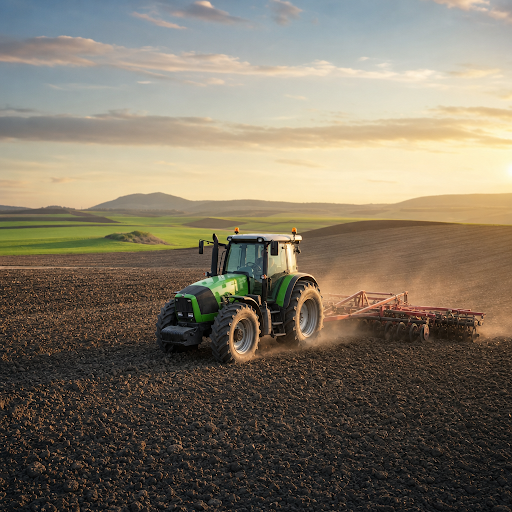
Turning raw, untouched land into a productive agricultural operation is one of the most demanding undertakings a farmer or landowner can face. Whether you’re breaking ground on a new farm, reclaiming overgrown acreage, or expanding an existing operation, the process demands careful planning, the right machinery, and a deep understanding of what the land requires. Equipment selection is not a secondary concern — it is the foundation upon which every successful land development project is built. Choosing the wrong tools can cost thousands of dollars in wasted time, fuel, and labor. Choosing the right ones can transform a project timeline and dramatically improve long-term soil health and productivity.
Understanding the Scope of Land Preparation
Before a single seed goes into the ground, the land must be properly prepared. This involves a sequence of operations that can span weeks or even months depending on the size and condition of the property. Clearing brush, removing stumps, breaking compacted soil, establishing drainage, and finally tilling the seedbed are all critical steps that require purpose-built machinery. Skipping or rushing any one of these stages can lead to poor crop establishment, erosion problems, and long-term soil degradation.
For landowners who are just beginning this journey, understanding the full scope of what’s involved is essential. A practical guide to land clearing and agricultural preparation can help break down each phase of the process, from initial site assessment through final seedbed preparation, giving operators a clear roadmap before they invest in equipment or labor.
The Role of Tillage in Modern Agriculture
Tillage remains one of the most debated topics in modern farming. Conventional tillage breaks up compacted layers and incorporates organic matter, while conservation tillage methods aim to preserve soil structure and reduce erosion. The right approach depends on your soil type, crop rotation, climate, and long-term land management goals. What is universally agreed upon, however, is that precision matters — both in terms of depth and timing.
Innovation Driving Tillage Forward
The tillage equipment market has seen significant innovation in recent years, with manufacturers developing systems that deliver greater accuracy and efficiency than ever before. One notable example is the recognition that precision tillage technology has received at major agricultural events. The OutRun Tillage system from AGCO’s PTx Trimble brand, which won the 2026 Davidson Prize at Commodity Classic, highlights how the industry is pushing toward smarter, data-driven tillage solutions that reduce passes, conserve fuel, and improve soil outcomes. These advancements signal a broader shift in how farmers approach ground preparation — with technology playing an increasingly central role.
Selecting the Right Tractor for the Job
No piece of equipment is more central to a farming operation than the tractor. It powers virtually every implement on the farm, from tillage tools and planters to balers and grain carts. Selecting the right tractor means matching horsepower and hydraulic capacity to the demands of your specific operation — not simply buying the biggest machine available or defaulting to the most affordable option on the lot.
For operations that span multiple tasks — from heavy tillage and land clearing to hay production and grain harvesting — a full-service equipment dealer becomes an invaluable partner. As a trusted Case IH Tractors, Balers, Harvesting Dealer, H&R Agri-Power offers producers access to a comprehensive lineup of agricultural machinery designed to handle the full spectrum of farm work. Whether you’re outfitting a new operation from the ground up or upgrading aging equipment, working with a knowledgeable dealer ensures you get the right machine for your land, your crops, and your budget.
Matching Horsepower to Application
One of the most common mistakes new operators make is underestimating the horsepower requirements of their planned operations. Breaking new ground, pulling heavy tillage implements, or operating large-capacity planters all demand substantial power reserves. Running a tractor at or beyond its rated capacity consistently leads to premature wear, increased fuel consumption, and costly downtime. Consulting with an experienced dealer before purchasing ensures that your equipment is properly sized for both current needs and future expansion.
Harvesting and Hay Equipment: Completing the Production Cycle
For livestock producers and diversified farming operations, the equipment needs extend well beyond tillage and planting. Hay production requires a coordinated fleet of mowers, rakes, tedders, and balers working in sequence to capture forage at peak quality. Grain operations depend on combines, grain carts, and augers to move product efficiently from field to storage. Each piece of equipment must be reliable, well-maintained, and appropriate for the scale of the operation.
Downtime during critical harvest windows is not just an inconvenience — it can represent significant financial loss. A broken baler during a narrow hay-drying window or a combine failure at peak grain moisture can cost a producer far more than the repair bill itself. This is why the relationship between a farmer and their equipment dealer extends beyond the initial purchase. Access to parts, service technicians, and technical support during peak seasons is a critical factor in choosing where to buy.
H&R Agri-Power: A Dealer Built for Serious Producers
H&R Agri-Power has built its reputation by serving the needs of working farmers across the region. With a deep inventory of both new and used equipment, the dealership provides options for operations of every size and budget. Their team understands that agriculture is not a one-size-fits-all industry — the needs of a 500-acre row crop farm differ dramatically from those of a 2,000-acre diversified operation, and both deserve equipment solutions tailored to their specific demands.
Beyond the sales floor, H&R Agri-Power’s service and parts departments are staffed by technicians who understand the urgency of agricultural work. When equipment goes down during planting or harvest, fast, knowledgeable support is not a luxury — it is a necessity. That commitment to after-sale service is what separates a true agricultural partner from a simple equipment vendor.
Building a Long-Term Equipment Strategy
Successful farm operations don’t acquire equipment randomly — they build a coherent fleet strategy that evolves with the operation. This means thinking ahead about trade cycles, financing options, and how each new piece of equipment integrates with existing machinery. It also means staying informed about technological developments that can improve efficiency, reduce input costs, and enhance environmental stewardship.
Whether you are preparing raw land for its first crop, expanding a hay operation, or upgrading your grain harvesting capacity, the decisions you make about equipment will shape the productivity and profitability of your farm for years to come. Partnering with the right dealer, investing in proven technology, and approaching land preparation with a structured plan are the cornerstones of a successful agricultural enterprise.
Conclusion
Agriculture demands precision, durability, and strategic thinking at every stage — from the first pass of a clearing blade to the final load of grain at harvest. The equipment you choose and the dealer you trust are not peripheral decisions; they are central to the success of your operation. By combining sound land preparation practices, innovative tillage technology, and a reliable equipment partner, producers can build farming operations that are both productive and sustainable for the long term.