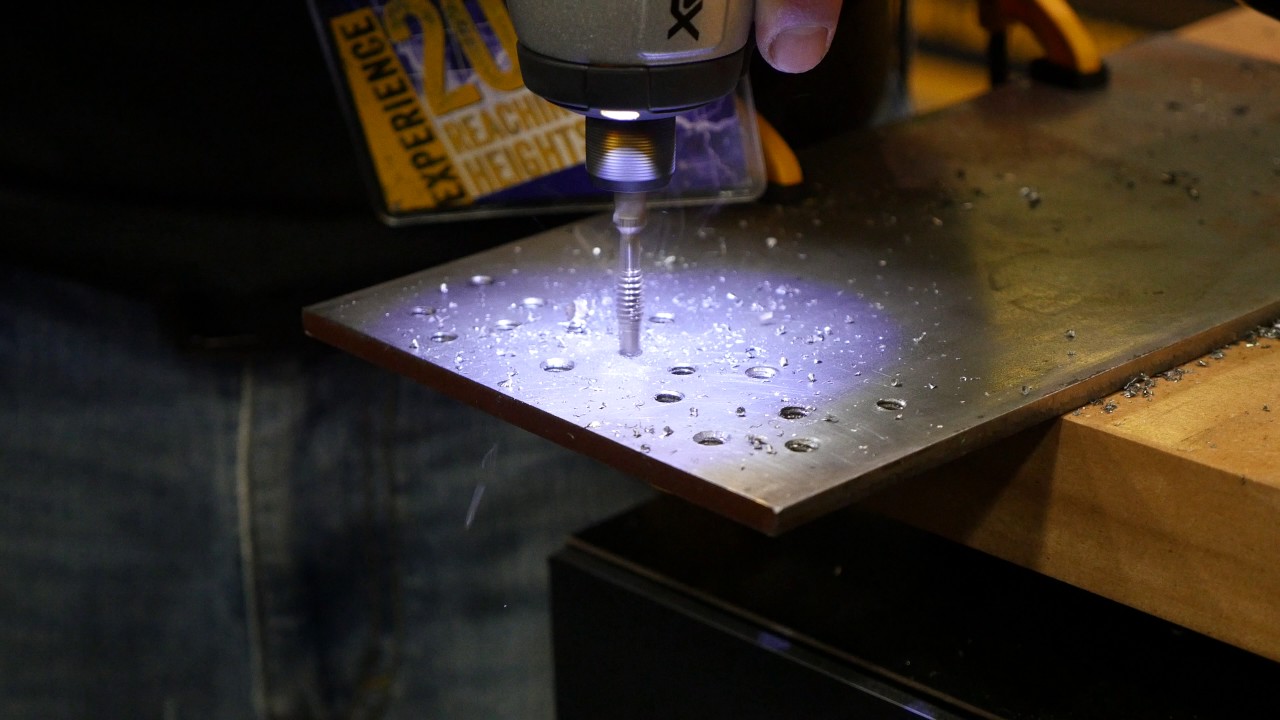
Buying a drill tap combo tool based on price alone is one of the most common mistakes made in production environments. A low upfront cost can hide poor tolerance control, weak coatings, and geometry that does not match your material or machine. When a cheap tool snaps mid-cycle or produces threads outside spec, the real cost shows up in scrapped parts, downtime, and rework. This guide walks tool buyers, production supervisors, maintenance teams, and procurement professionals through the technical factors that matter most before committing to a purchase.
Why Price Should Never Be the Only Deciding Factor
A drill tap combo is engineered to drill and tap in a single pass, which streamlines production and reduces machining time. That efficiency only holds when the tool is properly specified for the job at hand. Cutting corners on quality often means inconsistent thread fit, premature wear, and unexpected breakage.
The smartest buyers evaluate a tool against their materials, equipment, and volume targets before checking the invoice. For a deeper look at single-pass tooling and custom tolerance support, see this overview of a combination drill and tap set that addresses self-centering points and made-to-order configurations.
The Hidden Costs of Choosing the Wrong Tool
When a drill tap combo is chosen purely on sticker price, the downstream costs accumulate fast. Misaligned holes, stripped threads, and broken taps lodged in expensive workpieces can halt an entire line. Maintenance teams then spend hours on extraction and recovery, while procurement scrambles for replacements. The cheapest tool frequently becomes the most expensive choice over a production run.
Match the Tool to Your Workpiece Material
Material is the first technical filter. Aluminum, mild steel, stainless, and hardened alloys each demand different geometries, cutting speeds, and flute designs. A drill tap combo optimized for soft aluminum will struggle and fail quickly in stainless steel.
Correct setup also means applying the right tapping speed and lubrication for the material. These choices reduce heat buildup, lower breakage rates, and protect thread quality. Always confirm the manufacturer rates the tool for your specific alloy family before ordering.
Thread Sizes, Tolerances, and Standards Compliance
Thread sizing is where many buyers underestimate complexity. Tap drill sizing typically relies on selecting a target percentage of thread engagement, and that target depends on material, tap type, hole depth, and thread class. A common starting range is roughly 70 to 75 percent engagement for many materials, balancing thread strength against tapping torque.
Tolerance capability separates reliable suppliers from bargain options. Standards-based thread systems define the form, dimensions, and acceptable tolerances that a finished thread must meet. Cheap tools often cannot hold these tolerances consistently, producing threads that fail gauge checks.
For manufacturers working with ISO metric threads, the ISO 965 standard defines tolerance classes for metric screw threads, helping ensure consistent thread fit and reliable assembly. You can learn more about the standard here at https://www.iso.org/standard/4167.html
Machine Capability and Alignment
The capability of your tapping equipment directly affects which drill tap combo will perform. Less rigid machines introduce runout and misalignment, which strains the tool and degrades thread quality. Self-centering points help correct minor positioning issues and improve consistency on entry.
For shops with less robust equipment, piloted taps and tools ground to close tolerances can compensate for machine limitations. Coordinating drill length and thread length is also essential, especially for thru-hole performance, where the tap must clear fully.
Coating Options and Expected Production Volume
Coatings extend tool life and reduce friction during the cut. Titanium-based coatings are a common option that improves wear resistance and heat handling, which matters most in higher-volume runs. For low-volume or prototype work, an uncoated or basic-coated tool may be perfectly adequate.
Production volume should drive the investment level. A high-cycle manufacturing line justifies premium coatings and tighter tolerance tooling because the cost is spread across thousands of parts. Matching coating and quality to volume prevents both overspending and premature failure.
Practical Evaluation Checklist
Before committing to any drill tap combo, run through a structured evaluation. This keeps the decision grounded in technical fit rather than price alone, and it gives procurement a defensible record.
Key Questions to Ask Before Purchase
- Material match: Is the tool rated for your specific alloy and hardness range?
- Thread spec: Does it meet your required thread class and engagement target?
- Tolerance: Can the supplier hold close tolerances and provide made-to-order grinding if needed?
- Machine fit: Do self-centering points or piloted designs suit your equipment rigidity?
- Hole coordination: Are drill and thread lengths verified for through-hole or blind-hole needs?
- Coating: Does the coating match your expected production volume?
Conclusion
Selecting a reliable drill tap combo is about long-term performance, not the lowest line-item cost. Start by defining your material, thread requirements, and machine capability, then choose a tool whose geometry, tolerance, and coating align with those demands. Prioritize suppliers who offer self-centering points, piloted options, and custom tolerance grinding so the tool can adapt to your equipment rather than forcing your process to compensate. By weighing tolerance compliance, volume, and setup factors together, you secure consistent thread quality, fewer breakages, and a lower true cost across the life of the tool.