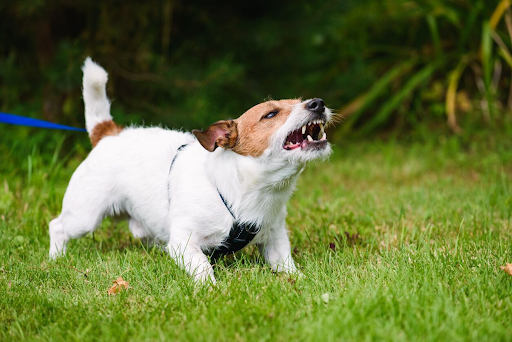
Yes, a trespasser may attempt to sue after a dog bite in Georgia, but whether they can successfully recover compensation depends on the facts of the case. Property owners often have stronger legal defenses when the injured person was unlawfully on the property, but trespassing does not automatically prevent a lawsuit from being filed.
Dog bite cases can become complicated very quickly. Many people assume that if someone enters private property without permission, the homeowner cannot be held responsible for anything that happens. While that may sound reasonable, the law is not always that simple.
If a dog bite occurs, understanding what to do after a dog bite is important for everyone involved. Property owners should document what happened and gather information as soon as possible, while injured individuals should seek medical attention and report the incident when appropriate.
How Georgia Dog Bite Cases Are Evaluated
Georgia law does not automatically hold dog owners responsible every time a bite occurs. Instead, several factors may be considered when determining liability.
Courts often look at issues such as the following:
- The dog had a history of aggressive behavior.
- The owner knew the dog could be dangerous.
- Local leash or animal control laws were violated.
- The injured person contributed to the incident
Each case is unique, which is why outcomes can vary significantly.
Why Trespassing Matters
When someone enters private property without permission, their legal status may affect a potential claim.
In many situations, property owners owe fewer duties to trespassers than they do to invited guests or lawful visitors. This can make it more difficult for a trespasser to recover compensation following a dog bite.
However, trespassing alone does not automatically end the discussion. Courts may still examine the circumstances surrounding the incident, including the actions of both the dog owner and the injured person.
Not Every Trespass Situation Is the Same
The word “trespasser” can cover many different situations.
For example, there is a difference between someone intentionally entering property to commit a crime and someone who accidentally wanders onto private land without realizing it.
The circumstances surrounding the entry may become important when evaluating a dog bite claim. Factors such as age, intent, and location can sometimes influence how a case is viewed.
Children May Be Treated Differently
Cases involving children often receive special attention under the law.
Young children may not fully understand property boundaries or warning signs. Because of this, courts sometimes evaluate incidents involving minors differently than those involving adults.
If a child enters a property and suffers a dog bite injury, additional legal questions may arise regarding supervision, safety measures, and the specific facts of the situation.
Evidence Plays a Major Role
As with most legal disputes, evidence can significantly affect the outcome of a dog bite case.
Helpful evidence may include:
- Photographs of the scene
- Medical records
- Witness statements
- Security camera footage
- Animal control reports
The more information available, the easier it may be to understand exactly what happened and evaluate the strength of any potential claim.
Homeowners Should Document the Incident
After a dog bite incident, property owners should avoid making assumptions about liability.
Instead, it is often helpful to document the situation carefully. Taking photographs, preserving video footage, and recording details while memories are fresh can be valuable if questions arise later.
Homeowners should also cooperate with any required reporting procedures and communicate honestly with their insurance company if a claim is made.
Every Case Depends on the Facts
One reason dog bite claims can be difficult to predict is that no two situations are exactly alike.
The dog’s history, the location of the incident, the actions of the injured person, and the condition of the property may all influence the outcome. What happens in one case may not apply to another with different facts.
For that reason, broad assumptions about liability can sometimes be misleading.
Key Takeaways
- A trespasser may sue after a dog bite, but recovery is not guaranteed.
- Trespassing can provide important legal defenses for property owners.
- Georgia dog bite cases often depend on the owner’s knowledge of the dog’s behavior.
- Not all trespassing situations are treated the same way.
- Cases involving children may be evaluated differently.
- Evidence such as photos, reports, and witness statements can be important.
- Homeowners should document incidents carefully and preserve evidence.
- The specific facts of each case usually determine the outcome.