Setting up a new business usually means clinging to a frantic mental (or maybe even physical) checklist of specifically digital tasks. You sweat over the logo design, argue with developers about the website checkout flow, meticulously review your first few hiring contracts, read resumes off the screen, battle with digital payment methods…
But let’s focus on the physical space again. Whether it is a rented storefront or a retrofitted downtown office, the automatic way we digitise a new business often means that the space in front of us gets treated as a static, indestructible backdrop.
In other words, it feels permanent and safe, right up until a freak plumbing failure over a holiday weekend…
Landlord Responsibility – Myth or Fact?
Leasing spaces can lead to complacency. The logic seems straightforward enough on the surface: you pay rent every month, so surely the property management company handles any structural nightmare that comes down the pike.
This assumption routinely falls apart during a crisis.
While the landlord’s coverage typically protects the actual concrete shell of the building, it leaves your expensive custom light fixtures, specialized machinery, and proprietary indoor modifications completely exposed. Expecting a commercial landlord to bail you out when a burst pipe ruins your interior build-out is a fast track to a big loss.
The Ripple Effect of Neighboring Disasters
Consider how a real estate firm works. They might assume their day-to-day property risks are practically nonexistent because their team spends most of their time out on showing calls or drafting digital contracts on laptops. However, sharing a wall with a commercial kitchen or a high-volume laundromat introduces massive external variables.
If the restaurant next door suffers a major grease fire, the resulting smoke and structural water damage can migrate through the drywall, destroying your office infrastructure and rendering your workspace entirely unusable for months.
A comprehensive real estate insurance policy ensures that even if your business is essentially an office-based operation, your firm can cover the costs of temporary relocation and asset replacement without waiting for a lengthy, agonizing investigation into a neighbor’s negligence to settle.
The Micro-Triggers of Structural Chaos
Major catastrophes like fires and floods get all the attention, but the overwhelming majority of property losses stem from slow-moving failures like a poorly maintained HVAC unit that quietly drips condensation into the ceiling tiles for six months (toxic mold + health inspectors = complete shutdown)
These micro-disasters do not happen with a dramatic bang. They happen silently behind the drywall while you are busy with the day to day.
Digital Over-Reliance and Physical Blindness
Our obsession with digital infrastructure tends to blind entrepreneurs to old-school physical threats. Business owners will gladly spend thousands of dollars on enterprise-grade cyber security software, multi-factor authentication protocols, and redundant cloud storage systems to protect their operational data.
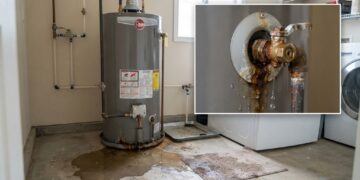
Yet, that very same secure network often relies on a physical server box humming away in a damp basement corner right next to a rusty water heater. It takes a surprisingly small amount of real-world chaos – a localized electrical surge, a leaky roof joint, or a clogged drainage line – to completely paralyze a business that thought it was entirely modern and bulletproof.