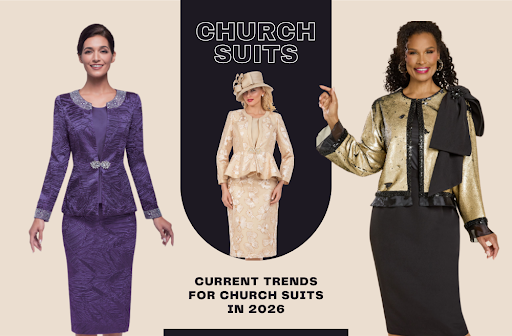
Church dressing has never been a static affair. What women wear to worship reflects something larger than personal style — it speaks to community, dignity, and cultural identity. In 2026, that conversation is evolving. The church suits remains a cornerstone of Sunday dress for many women, but the way it is being chosen, styled, and interpreted has shifted considerably. Whether you are refreshing a wardrobe staple or building a collection from scratch, understanding where the trends currently sit will help you dress with both intention and confidence.
Tailored Silhouettes Are Back in Focus
The oversized, loosely structured suit that dominated a few years ago has given way to a cleaner, more tailored profile. Women are gravitating toward fitted jackets with defined shoulders, nipped waists, and straight-leg or wide-leg trousers that hold their shape. The goal is not a tight fit but a deliberate one — clothes that look considered rather than borrowed. For skirt suits, midi and maxi lengths remain the preferred choice, with straight cuts and modest hemlines that read as polished without being restrictive. The emphasis is on structure, and that applies whether you are attending a traditional congregation or a contemporary service.
Bold Colour Is Having a Significant Moment
Muted tones are not disappearing, but they are sharing space with a much bolder palette. Royal blue, deep emerald, rich burgundy, and warm terracotta are all prominent this year. More notably, women are leaning into head-to-toe colour blocking — matching jacket, skirt or trousers, and hat in a single strong tone. This is not new to church fashion, which has always had a confident relationship with colour, but the current execution is sharper. The suit itself carries the statement rather than relying on accessories to do the work.
Pastel interpretations are also popular for spring and summer services, with lavender, blush, and soft mint appearing across collections. These work particularly well in lightweight fabrics suited to warmer months.
Fabric Quality Is a Primary Consideration
Shoppers are paying closer attention to fabric than they were five years ago. Polyester blends that wrinkle easily or lose their shape after a few wears are being passed over in favour of heavier crepes, ponte, linen blends, and textured jacquards. These materials hold structure across a full service, photograph well, and tend to age better over repeated wear.
There is also a growing interest in sustainable and ethically sourced fabric options among church-going women who want their purchasing decisions to align with their values. This is reflected in the increasing number of retailers offering detailed fabric sourcing information alongside their suit listings. For women building a curated wardrobe of church attire, church suits that prioritise fabric quality and making are worth the investment over fast-fashion alternatives that require frequent replacement.
Embellishment Has Become More Selective
The heavily embellished jacket — covered in rhinestones, sequins, or layered lace — is still part of the church suits tradition, but it is being deployed with more restraint in 2026. The current preference leans toward selective detailing: a beaded collar, a single embroidered panel, or a jacquard pattern woven into the fabric itself. This allows the suit to carry texture and visual interest without crossing into costume territory. It also makes the suit more versatile — easier to dress up or down depending on the occasion.
The Hat and Suit Relationship
Church hat culture remains strong, and coordinating headwear continues to be a major part of the purchasing decision for many women. The trend this year is toward hats that complement rather than compete with the suit. Wide-brimmed styles in matching or tonal colours are popular, as are structured fascinators for those who prefer something smaller. The key shift is intentionality — women are thinking about the full look from the outset rather than treating the hat as an afterthought.
Inclusive Sizing and Cut Diversity
One of the more meaningful shifts in 2026 is the wider availability of church suits cut for a genuine range of body types. Extended sizing, petite cuts, and plus-size specific tailoring — where the proportions of the jacket and skirt are adjusted rather than simply scaled up — have all become more standard across reputable retailers. Women are no longer expected to alter an off-the-rack suit significantly to achieve a proper fit.
Dressing with Purpose
Church dressing in 2026 is less about following a single directive and more about making deliberate choices. The trends this year support that approach rather than complicate it.
Conclusion
Church fashion in 2026 is defined by intention. The women dressing well for Sunday service are not chasing trends for their own sake — they are selecting pieces that balance modesty, quality, and personal expression within a specific cultural and spiritual context. Tailored silhouettes, bold colour, quality fabric, and restrained embellishment all point in the same direction: a more considered approach to what it means to dress with dignity. Whether you are building a wardrobe from scratch or updating a collection that has served you for years, the trends this year reward women who shop slowly and choose well.