Fire safety has never been higher on the agenda for UK property owners and business operators. In the wake of major fire incidents and the subsequent strengthening of building safety legislation, the conversation around active fire suppression has shifted from optional upgrade to essential investment. For residents and business owners across Greater Manchester and Salford, understanding the basics of fire sprinkler technology — and what certifications to look for when specifying systems — is increasingly practical knowledge.
How Fire Sprinklers Actually Work
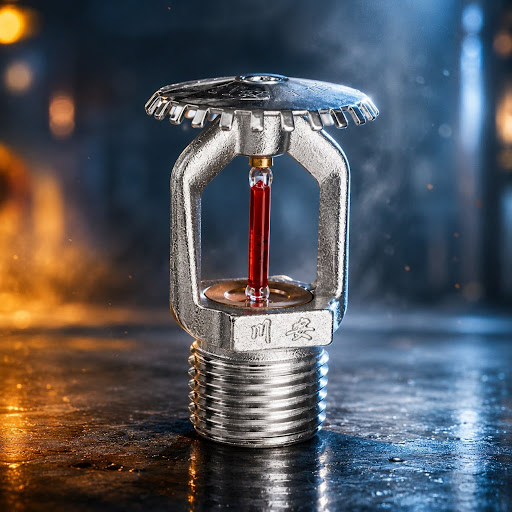
There is a persistent myth that fire sprinklers activate all at once when smoke is detected, soaking an entire building. In reality, modern fire sprinklers are individually heat-activated devices. Each sprinkler head contains a small heat-sensitive element — typically a glass bulb filled with glycerin-based liquid — that holds a plug in place. When the ambient temperature at that specific sprinkler head reaches the activation threshold (typically between 68°C and 93°C for standard installations), the element fails, the plug releases, and water flows from that head alone.
This targeted activation has two important consequences. First, the water damage from a sprinkler activation is typically limited to the room or area where the fire is developing — not the entire building. Second, the suppression begins before the fire has spread significantly, dramatically improving the chances of containing the incident. Statistics from the National Fire Protection Association consistently show that in buildings with properly maintained sprinkler systems, fire deaths and property losses are reduced by more than 80 percent compared to unsprinklered buildings.
Why Certification Matters: The FM Approval Standard
Not all fire sprinklers are equal, and for commercial and industrial property owners, the certification status of the equipment specified is not a minor detail — it has direct implications for insurance coverage, regulatory compliance, and liability.
FM Approval is one of the most rigorous and widely recognised certification standards in the global fire protection industry. Administered by FM Approvals, an affiliate of Factory Mutual Insurance Company, the FM mark indicates that a product has been independently tested and verified to meet demanding performance criteria for reliability, durability, and suppression effectiveness. FM Approval fire sprinklers are specified by many commercial property insurers as a condition of coverage in higher-risk occupancies, and are required by many large organisations as a procurement standard for their facilities worldwide.
For Salford business owners tenanting or owning commercial premises — warehouses, retail units, manufacturing facilities, office buildings — checking whether the installed sprinkler system uses FM-approved components is a straightforward but worthwhile due diligence step. If the system uses uncertified components, it may not satisfy the requirements of your insurance policy, and any claim following a fire event could be complicated as a result.
The Practical Steps
If you are a building owner, facilities manager, or business tenant concerned about fire sprinkler compliance, the practical starting point is a review of your existing system documentation — installation records, component specifications, and maintenance logs. A qualified fire protection engineer can assess whether the installed equipment meets current standards and whether any components require upgrading.
For new developments and significant refurbishments, specifying FM-approved sprinkler components from the outset is the most straightforward path to compliance and insurance clarity.