Cockroaches are often linked with dirty kitchens, overflowing bins, or leftover food, but many infestations begin in a much simpler way. Small gaps around a home can give cockroaches an easy path indoors. These openings may look harmless to homeowners, but for cockroaches, they can become direct entry points into warm, dark, and food-rich areas.
A tiny crack near a door frame, a loose window seal, a gap around plumbing, or an opening near the roofline can be enough for cockroaches to move inside. Once they enter, they can hide behind cupboards, under appliances, inside wall voids, around drains, and near moisture sources. This is why Cockroach pest control should not only focus on killing visible cockroaches. It should also look at how they are getting inside and why they are staying there.
Why Cockroaches Use Small Gaps to Enter Homes
Cockroaches are good at finding shelter. They naturally move through cracks, drains, wall gaps, service openings, and dark corners because these places help them stay hidden. They do not need a large opening to enter a home. Even a narrow gap under a door or a small crack near a pipe can give them access.
Homes provide several things cockroaches need to survive. They look for warmth, moisture, food, and safe hiding spots. Kitchens, bathrooms, laundries, garages, and storage areas are especially attractive because they often have water sources, food residue, cardboard, clutter, and dark spaces.
Small gaps become a bigger issue when they connect outdoor pest activity to indoor living areas. Cockroaches may already be active in garden beds, drains, bins, sheds, wall cavities, or outdoor storage areas. If the home has unsealed openings, they can move inside when the weather changes or when food and moisture attract them closer.
Common Gaps That Allow Cockroaches Inside
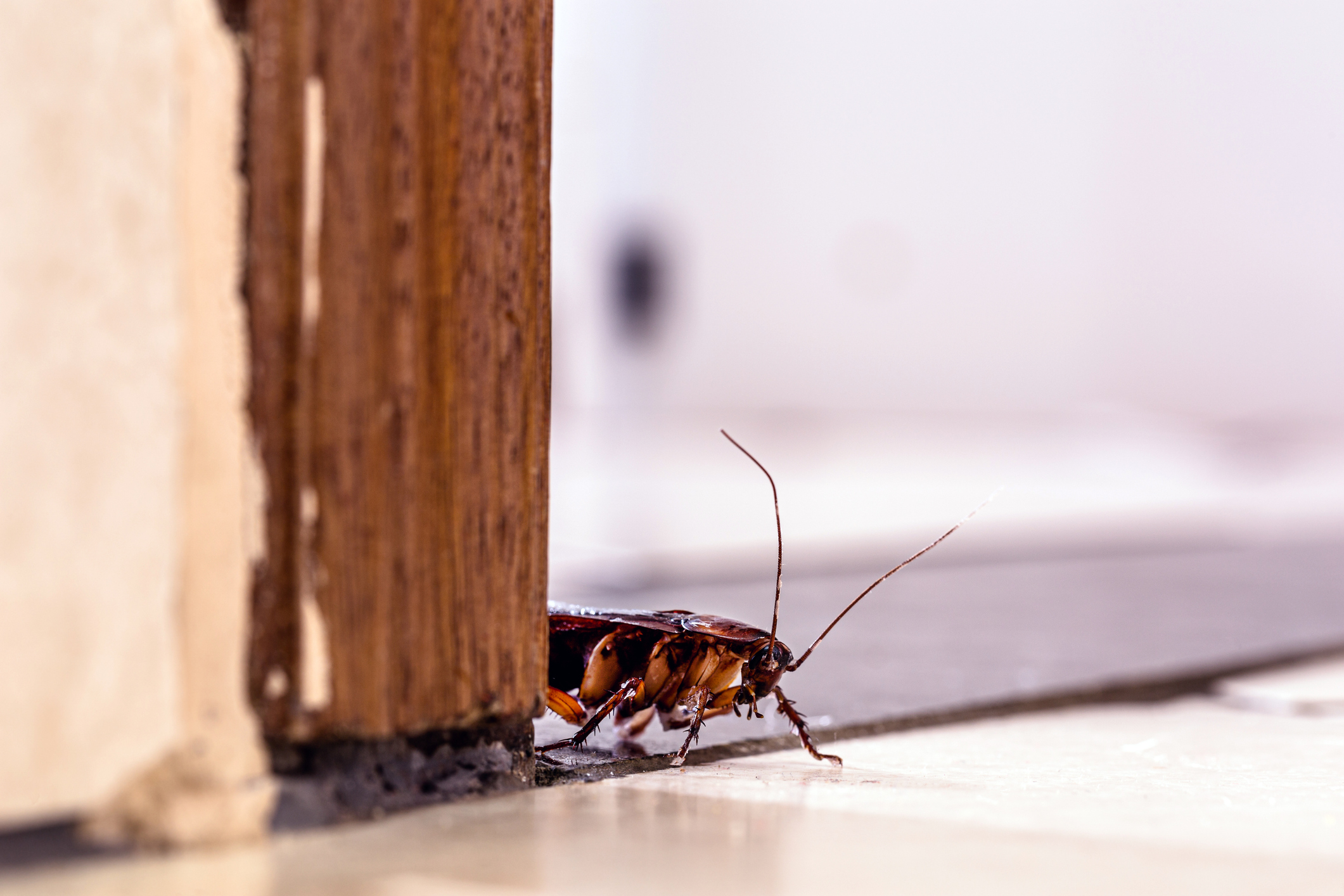
Many cockroach entry points are easy to miss during daily cleaning. Gaps under external doors are one of the most common access points. If a door seal is worn, loose, or missing, cockroaches can crawl underneath, especially at night when they are most active.
Windows can also create access points when fly screens are torn, frames are damaged, or seals are not tight. Cockroaches may enter through small spaces around window tracks, especially in kitchens, bathrooms, and laundry areas.
Plumbing openings are another major concern. Pipes under sinks, behind toilets, near washing machines, and around hot water systems often pass through walls or floors. If the space around the pipe is not sealed properly, cockroaches can use it as a hidden route into cupboards and wall cavities.
Other common entry points include gaps around vents, cracks in brickwork, openings near garage doors, loose skirting boards, roof void access points, and spaces around electrical or service lines. These gaps may look minor, but they can help cockroaches move through different parts of the property without being seen.
Why Cockroaches Keep Returning After Sprays
Many homeowners try to handle cockroaches with store-bought sprays. Spraying visible cockroaches may reduce activity for a short time, but it usually does not fix the reason they entered the home. If gaps remain open and food or moisture is still available, more cockroaches can return.
This is one reason DIY methods often feel frustrating. A homeowner may spray the kitchen at night, clean the benches, and still notice cockroaches again in a few days. The visible cockroach may only be a small part of the problem. Others may be hiding behind appliances, inside cracks, around drains, or in wall voids.
Professional Cockroach pest control takes a more complete approach. It looks at where cockroaches are hiding, where they are feeding, how they are entering, and what conditions are helping them survive. This makes the treatment more targeted and more effective than simply spraying the areas where cockroaches appear.
Moisture Makes Entry Points More Attractive
Cockroaches are strongly attracted to moisture. A small gap near a damp area can become more active than a dry opening because it gives cockroaches access to water and shelter. This is why bathrooms, laundries, kitchens, and under-sink cupboards often become high-risk areas.
Leaking taps, dripping pipes, wet sponges, blocked drains, damp cabinets, and condensation can all support cockroach activity. Even small moisture issues can make a home more inviting. If cockroaches enter through gaps near these areas, they may settle quickly and begin breeding.
Homeowners should not only seal entry points, but also fix moisture problems. Drying out wet areas, repairing leaks, improving ventilation, and keeping drains clean can all reduce cockroach pressure inside the home.
Food Sources Help Cockroaches Stay Indoors
Once cockroaches enter a home, they need food to survive. They can feed on crumbs, grease, pet food, rubbish, food packaging, dirty dishes, and residue around appliances. Even small amounts of food under the fridge, behind the oven, or inside pantry corners can support activity.
Sealing gaps helps stop new cockroaches from entering, but food control is just as important. Benches should be wiped regularly, bins should be emptied before they overflow, pantry items should be stored in sealed containers, and food spills should be cleaned quickly.
Cockroaches are active at night, so a kitchen that looks clean during the day may still have hidden food sources. Grease around cooking areas, crumbs near skirting boards, and residue under appliances can keep cockroaches active even after surface cleaning.
Why Shared Walls and Apartments Can Increase the Risk
Cockroach entry points are not limited to detached homes. Apartments, units, and townhouses can also have cockroach problems because pests can move through shared walls, service ducts, plumbing spaces, and common areas.
If one unit has cockroach activity, nearby units may also become affected, especially when there are gaps around pipes, drains, doors, or wall penetrations. This can make the problem harder to manage with basic DIY treatment. A homeowner may keep their own unit clean, but still see cockroaches entering from nearby spaces.
In these cases, Cockroach pest control may need to consider the wider building environment. Treating only one visible area may not be enough if cockroaches are moving through shared structural spaces.
How Homeowners Can Reduce Cockroach Entry
Homeowners can reduce cockroach entry by checking the outside and inside of the property for small gaps. Door seals should be replaced if light can be seen under the door. Cracks near walls, skirting boards, and pipework should be sealed where appropriate. Damaged fly screens should be repaired, and gaps around plumbing should be closed.
Outdoor areas also need attention. Bins should be kept closed and cleaned regularly. Garden waste, cardboard, old timber, and clutter should not be stored against external walls. Drains should be kept clear, and pet food should not be left outside overnight.
Inside the home, regular cleaning should focus on hidden spaces as well as visible surfaces. Areas behind the fridge, oven, dishwasher, washing machine, and pantry shelving should be checked because cockroaches often hide where cleaning is less frequent.
When Professional Treatment Is Needed
Professional treatment is often needed when cockroach activity keeps returning, appears in several rooms, or is seen during the day. Daytime cockroach sightings can sometimes suggest a larger infestation because cockroaches usually prefer to hide during daylight hours.
A pest technician can inspect entry points, identify cockroach species, treat hiding areas, and provide prevention advice. This is important because different cockroach species may need different treatment methods. Some may be more common around kitchens and appliances, while others may come from drains, outdoor areas, or damp spaces.
Professional Cockroach pest control can also include targeted gels, baits, dusts, residual treatments, and monitoring methods, depending on the property and infestation level.
Final Thoughts
Small gaps around a home may not look serious, but they can become easy entry points for cockroaches. Once cockroaches enter, they can hide in warm, dark, and damp areas where they are difficult to remove with basic sprays.
The best way to reduce cockroach problems is to combine entry point sealing, food control, moisture management, regular cleaning, and professional treatment when needed. By dealing with both the visible pests and the conditions that allow them inside, homeowners can reduce the risk of repeat infestations and keep the home better protected.