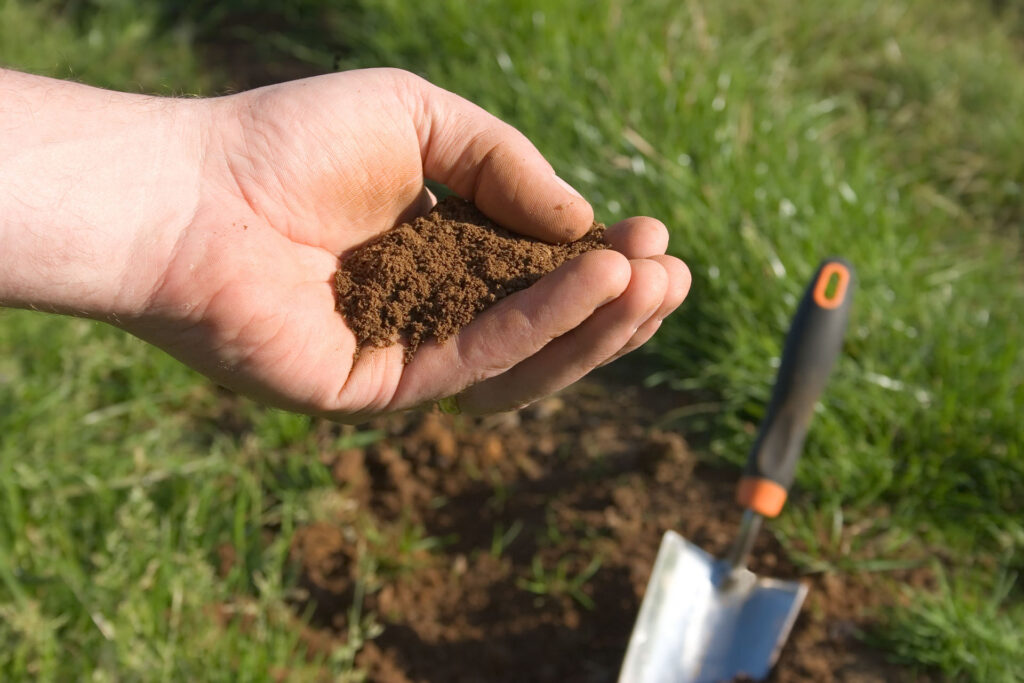
Most people buying land think about location, size, and price. Few think about what is underneath the surface. Soil classification is one of the least discussed factors in the land-buying process and one of the most consequential. Getting it wrong does not just affect your slab — it reshapes your entire budget before a single wall goes up.
Understand What Soil Classification Actually Means
In Australia, soil is classified in accordance with AS 2870, the residential slabs and footings standard. Every block receives a classification based on how much the soil is expected to move in response to changes in moisture. The classifications run from Class A at the stable end through to Class H1, H2, and E at the highly reactive end, with Class P reserved for problem sites such as filled land, soft ground, or areas with poor drainage.
The classification is determined by a geotechnical engineer after a soil test. It is not visible during a site inspection and is not reflected in the land price.
Learn How Reactive Soil Increases Your Build Cost
Reactive clay soils expand when wet and contract when dry. That movement creates stress on footings and slabs. To manage it, engineers specify deeper beams, additional reinforcement, and in some cases, a waffle pod slab or pier-and-beam system rather than a conventional concrete slab. Each step up the classification scale adds cost to your footing design.
The difference between building on a Class A site and a Class H2 site can amount to tens of thousands of dollars in footing costs alone. That figure appears nowhere in the land listing.
Request the Soil Test Before You Exchange
Most buyers wait until after they have purchased land to obtain a soil report. By that point, the options are limited. Requesting a soil test or reviewing any existing geotechnical data before exchanging contracts gives you the information to negotiate, walk away, or budget accurately. Agents are not always forthcoming about soil conditions, so asking directly and in writing is worthwhile.
Recognise the Compounding Effect on Townhouse Designs
The impact of soil classification is amplified on projects involving townhouse designs and dual-occupancy builds. These structures involve shared footings, party walls, and tighter site conditions that leave less flexibility for engineering adjustments. A reactive soil classification on a block earmarked for townhouse designs can affect footing costs across multiple dwellings simultaneously, compressing the margin that makes the investment viable in the first place.
Factor Classification Into Your Land Assessment
Soil classification should sit alongside price per square metre, zoning, and service availability when you are assessing a block. A cheaper block on reactive clay can cost more to build on than a pricier block with stable soil once footing costs are factored in.
The soil report is not expensive. The information it contains can save buyers from a decision they cannot reverse once settlement is complete.