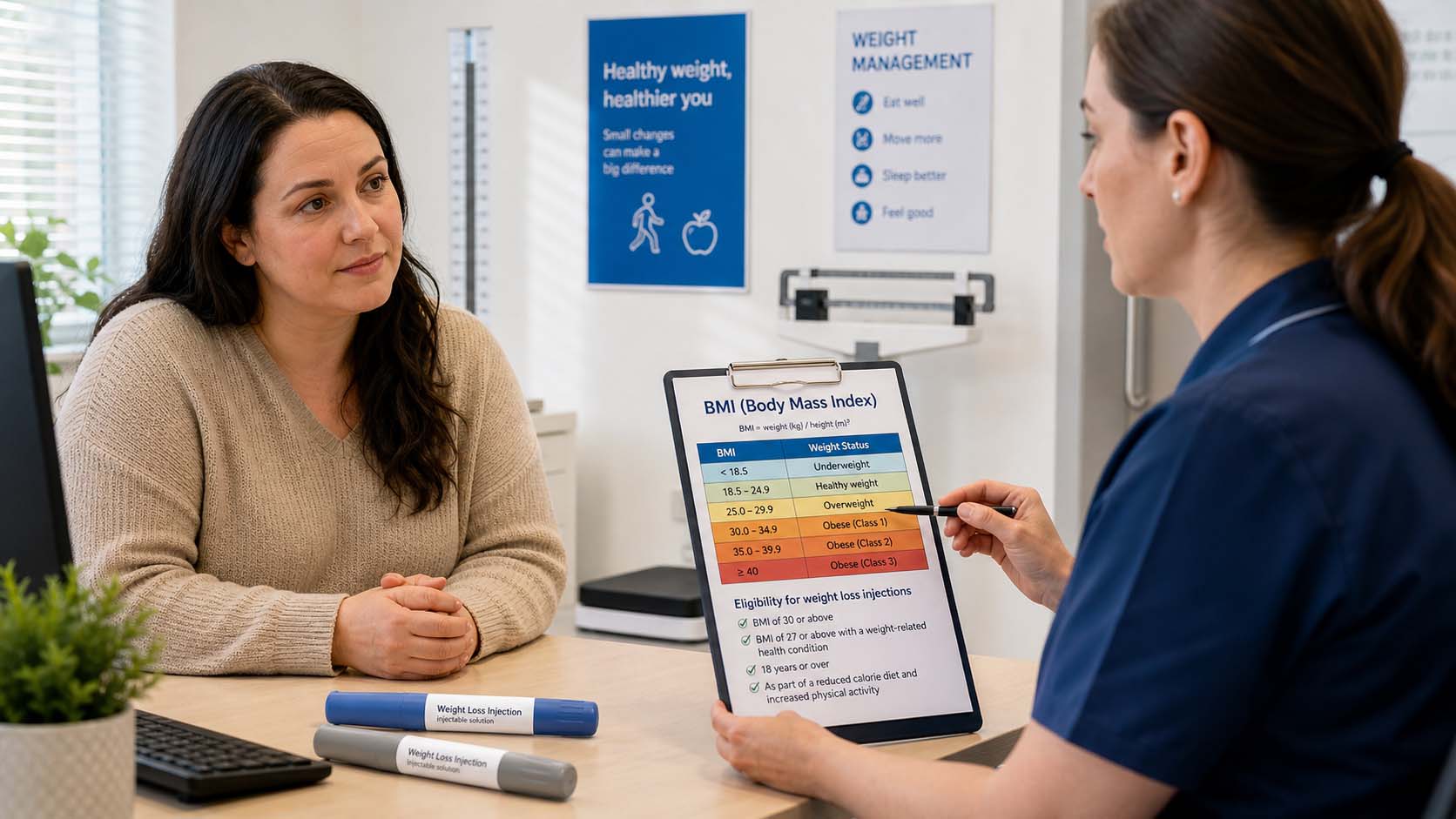
Weight loss injections have changed the conversation around obesity treatment in the UK. For many people, medicines such as Mounjaro and Wegovy are no longer just headline topics; they are becoming part of serious discussions with pharmacists, GPs, and private clinicians. However, eligibility is not based on interest alone. In most cases, BMI plays a major role in deciding who may qualify.
Still, BMI is only one part of the picture. A responsible clinician will also look at weight-related health conditions, medical history, current medication, safety risks, and previous weight management attempts. Therefore, anyone searching for treatment needs to understand how eligibility works before looking for providers or trying to buy Weight Loss injections UK.
BMI: The Number That Starts the Conversation
BMI stands for Body Mass Index. It estimates whether a person’s weight is within a healthy range for their height. Clinicians calculate it by comparing body weight and height, which gives a number used to classify weight categories such as healthy weight, overweight, obesity, and severe obesity.
However, BMI does not tell the full story. It does not directly measure body fat, muscle mass, waist size, or metabolic health. For example, a muscular person may have a higher BMI without having excess body fat. Even so, BMI remains widely used in UK healthcare because it offers a quick starting point for assessing weight-related risk.
Why BMI Matters for Weight Loss Injections
Weight loss injections are prescription-only medicines. This means a person cannot safely or legally access them in the UK without a proper clinical assessment. BMI helps clinicians decide whether the potential benefits of treatment may outweigh the risks.
Generally, these treatments are intended for people living with obesity or those who are overweight and also have weight-related health concerns. As a result, BMI helps prevent inappropriate use by people who want cosmetic weight loss rather than medical support.
The Usual BMI Thresholds in the UK
In many UK prescribing settings, weight loss injections may be considered for adults with a BMI of 30 or above. This is the standard BMI category for obesity. At this level, excess weight may increase the risk of conditions such as type 2 diabetes, high blood pressure, sleep apnoea, heart disease, and joint problems.
In some cases, people with a BMI of 27 or above may also be considered if they have at least one weight-related health condition. These conditions may include type 2 diabetes, prediabetes, hypertension, high cholesterol, or other obesity-related complications. However, eligibility depends on the medicine, the prescriber, the patient’s health profile, and whether treatment is being accessed privately or through NHS pathways.
NHS Eligibility vs Private Clinic Eligibility
NHS access and private access are not always the same. NHS prescribing often follows stricter pathways because services must prioritise people with higher clinical need. In some NHS settings, patients may need to meet additional criteria, such as having a higher BMI, multiple weight-related conditions, or referral through a specialist weight management service.
Private clinics and online pharmacies may follow licensed prescribing criteria, but they must still assess safety properly. A responsible provider should not simply approve treatment after a short checkout form. Instead, they should ask about height, weight, medical history, current medicines, previous treatments, pregnancy status, eating disorder history, and relevant health conditions.
Weight-Related Health Conditions That Can Affect Eligibility
BMI becomes more clinically important when combined with other health risks. For example, a person with a BMI of 28 and type 2 diabetes may have a stronger medical reason for treatment than someone with the same BMI and no related health concerns. This is why clinicians look beyond the number.
Common weight-related conditions include type 2 diabetes, high blood pressure, high cholesterol, fatty liver disease, obstructive sleep apnoea, PCOS, joint pain, and cardiovascular risk factors. These conditions may influence whether a prescriber believes weight loss medication is suitable and safe.
When BMI Alone Is Not Enough
Although BMI is important, it cannot replace clinical judgment. A person may meet the BMI requirement but still be unsuitable for treatment. For example, some people may have medical conditions, medication interactions, digestive issues, pregnancy plans, or mental health concerns that require extra caution.
Likewise, a clinician may ask for more information before prescribing. They may request recent blood pressure readings, diabetes markers, weight history, or details about previous lifestyle changes. This process protects patients and helps ensure the treatment plan is based on real medical need rather than quick approval.
Lower BMI Thresholds for Some Ethnic Groups
Some people develop weight-related health risks at lower BMI levels. In UK healthcare guidance, clinicians may consider ethnicity when assessing risk, especially for people from South Asian, Chinese, Black African, African-Caribbean, and Middle Eastern backgrounds. These groups may experience metabolic risk at a lower BMI than white European populations.
Therefore, a BMI that appears only slightly above the “healthy” range may still need careful assessment if other risk factors are present. This does not mean everyone in these groups automatically qualifies for injections. Instead, it means clinicians may use a more personalized approach when reviewing weight, waist size, family history, and metabolic health.
Why Online Searches Can Be Misleading
Many people begin their journey by searching phrases such as buy Weight Loss injections UK. However, search results can include a mix of regulated pharmacies, private clinics, overseas sellers, and unsafe websites. This creates confusion, especially for people who are unsure whether they qualify.
The safest route is always a UK-regulated pharmacy or clinician-led provider. A trustworthy service should confirm your BMI, review your medical history, explain side effects, provide dosage guidance, and offer follow-up support. If a website sells injections without asking proper health questions, that should raise concern.
What a Proper Eligibility Assessment Should Include
A proper assessment should start with accurate height and weight details. The clinician may then calculate your BMI and ask whether you have any weight-related conditions. They should also ask about your current medicines, allergies, past medical issues, and whether you have ever had pancreatitis, gallbladder disease, severe digestive problems, or an eating disorder.
In addition, the provider should explain how the medicine works, how dosing increases over time, and what side effects may occur. They should also tell you when to seek medical help. This matters because weight loss injections are not simple slimming products. They are medical treatments that require careful use.
Lifestyle Support Still Matters
Weight loss injections can reduce appetite and help some people manage food intake more effectively. However, they work best when combined with realistic lifestyle changes. A clinician may advise a balanced diet, protein intake, hydration, movement, sleep improvement, and regular progress reviews.
This does not mean patients must be perfect. Instead, it means treatment should support healthier routines rather than replace them. Without lifestyle support, some people may struggle to maintain weight loss after stopping medication. Therefore, long-term planning is just as important as starting treatment.
Who May Not Be Suitable for Weight Loss Injections?
Not everyone with a qualifying BMI should use weight loss injections. Pregnant people, people trying to conceive, or those who are breastfeeding may not be suitable. Some people with certain medical histories may also need specialist advice before treatment can be considered.
A prescriber may also refuse treatment if the goal is unsafe or unrealistic. For example, someone with a healthy BMI who wants to lose a small amount of weight for appearance reasons would usually not qualify. These medicines are designed for weight-related health management, not casual or cosmetic use.
The Role of Follow-Up and Ongoing Monitoring
Eligibility does not end after the first prescription. A responsible provider should monitor progress, side effects, dose tolerance, and overall health. If a patient experiences severe nausea, vomiting, abdominal pain, dehydration, or worrying symptoms, they may need urgent advice.
Follow-up also helps clinicians decide whether treatment should continue. If the medicine is not helping, or if side effects become difficult to manage, the prescriber may adjust the plan. In some cases, they may recommend stopping treatment and considering another approach.
Final Thoughts
BMI plays a central role in deciding who may be eligible for mounjaro weight loss injections in UK. In general, people with a BMI of 30 or above may be considered, while those with a BMI of 27 or above may qualify if they also have weight-related health conditions. However, these thresholds do not guarantee approval.
Ultimately, safe prescribing depends on a full clinical assessment. The best providers look at the person, not just the number. So, before starting treatment, patients should choose a regulated UK service, answer health questions honestly, and make sure they receive proper guidance from a qualified professional.