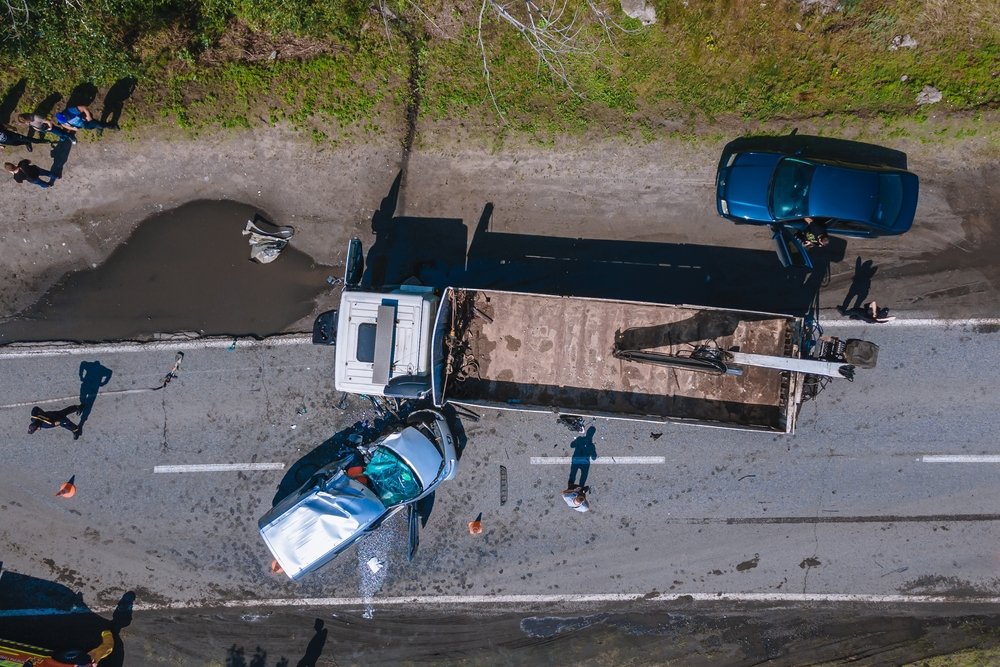
The force of a commercial truck collision is not comparable to a car accident. The mass differential alone means that the vehicle built to protect occupants absorbs an impact that it was not designed to survive. The injuries that follow are often catastrophic, the recovery is long and uncertain, and the financial disruption from lost income and mounting medical costs begins immediately.
Into all of that walks the carrier’s accident response team. They were notified when you were still at the scene. They have experience with exactly this situation. They know what evidence exists, where it is, and how quickly it needs to be acted on. A San Jose truck accident lawyer at Alexander Law provides the organized, experienced response on the injured person’s side that matches what the carrier is already doing, starting within hours of the crash, not days.
What the Carrier Knows That Most Injured People Do Not
Commercial trucks operating in interstate commerce carry electronic logging device records of the driver’s hours for the preceding seven days, GPS telematics documenting the vehicle’s exact speed and location throughout the trip, and event data recorder data capturing the vehicle’s conduct in the final seconds before impact. All of it is subject to overwriting once the truck returns to service.
The carrier’s team knows this. They also know that without a formal litigation hold served on them, there is no legal obligation to preserve this evidence for the injured person’s benefit. The window to capture it is 72 hours. After that, the evidence that might show how fatigued the driver was, how fast they were traveling, and whether any braking occurred before impact may simply not exist anymore.
Federal Regulations and What They Mean for the Liability Case
Car accidents are governed by state law. Commercial truck accidents are governed by state law plus the Federal Motor Carrier Safety Administration regulations that apply to every commercial carrier in interstate commerce. When a carrier or driver violates those federal regulations and a crash results, the violation establishes negligence without requiring an expert to explain what reasonable care demanded. The regulation was the standard. The violation was the breach.
An hours-of-service violation that shows a driver exceeded the daily driving limit, a brake deficiency that was documented in inspection records and never corrected, a cargo securement failure that shifted the load and destabilized the truck: each of these is a specific regulatory violation with specific negligence per se consequences in California courts.
The San Jose Freight Environment and the Pressure It Creates
San Jose’s technology manufacturing and logistics operations generate the commercial truck traffic that flows continuously through US-101, I-880, and I-280. Carriers serving just-in-time technology supply chains operate under tight delivery schedules. Those schedules create hours-of-service pressure that accumulates across days, not just individual trips. A driver who has been running close to the daily maximum for a week may be technically compliant with each individual limit while carrying a level of cumulative fatigue that impairs judgment and reaction time significantly.
Steps That Matter in the Hours After a San Jose Truck Crash
Some actions that protect the claim during the window when the carrier’s team is already active:
- Contact legal counsel within 24 hours so the litigation hold can be served within the 72-hour evidence window
- Do not speak with the carrier’s representatives or insurer without legal guidance in place
- Photograph the scene, both vehicles, and any skid marks or debris patterns before anything is moved
- Seek emergency medical evaluation even if injuries feel manageable at the scene
The Federal Motor Carrier Safety Administration’s carrier safety records provide the publicly accessible compliance history for every registered carrier, showing whether the company’s pre-crash regulatory record supports a systemic failure argument alongside the individual crash.