Managing a rental property goes far beyond collecting monthly rent checks and finding new tenants. To protect your investment and maintain a steady stream of income, proactive property maintenance is absolutely critical. Neglecting basic upkeep often leads to expensive emergency repairs, decreased property value, and high tenant turnover. By staying ahead of the curve, you save money in the long run and create a safe, comfortable environment that encourages reliable tenants to renew their leases.
This guide outlines five crucial maintenance tasks that every property owner must integrate into their annual schedule. You will learn exactly what to look for, why it matters, and how to implement these strategies to keep your rental property in peak condition.
1. Inspect and Service the HVAC System
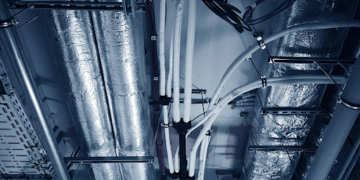
Heating, ventilation, and air conditioning (HVAC) systems are among the most expensive components of any residential property. Replacing a failed unit can cost thousands of dollars, cutting severely into your annual profits. According to industry data, routine maintenance can extend the lifespan of an HVAC system by up to 40% while significantly improving its energy efficiency.
Failing to maintain these systems often results in clogged filters, overworked motors, and poor indoor air quality for your tenants. A proactive approach prevents minor wear and tear from escalating into catastrophic mechanical failures in the middle of winter or the peak of summer.
Actionable Tips:
- Replace air filters every 90 days, or supply your tenants with a year’s worth of filters and a schedule for changing them.
- Hire a licensed HVAC technician to perform a comprehensive tune-up twice a year—once in the spring for the AC, and once in the fall for the furnace.
- Clear debris, leaves, and overgrown vegetation from around outdoor condenser units to ensure proper airflow.
2. Check for Plumbing Leaks and Water Damage
Water is the silent destroyer of real estate. A minor, undetected leak beneath a bathroom sink can rot cabinetry, destroy subflooring, and create the perfect environment for toxic black mold to thrive. The Insurance Information Institute reports that water damage is one of the most common and costly types of homeowner property claims, frequently costing thousands of dollars to remediate.
Tenants rarely report slow drips or minor toilet runs because they often do not realize the severity of the issue or simply forget. As a landlord, it is your responsibility to actively look for signs of water intrusion before it compromises the structural integrity of your building.
Actionable Tips:
- Inspect all visible pipes, P-traps, and supply lines under kitchen and bathroom sinks during routine property walkthroughs.
- Look for telltale signs of water damage, such as bubbling paint, water stains on ceilings, or warped floorboards near appliances like dishwashers and refrigerators.
- Check the caulking and grout around bathtubs and showers. Re-caulk any peeling or cracked areas immediately to prevent water from seeping behind the tile.
3. Schedule Professional Exterior and Window Cleaning
Curb appeal plays a massive role in attracting and retaining high-quality tenants. However, exterior maintenance is about more than just aesthetics; it is about preserving the building materials. Over time, environmental pollutants, hard water, dust, and insects build up on the exterior surfaces and glass. If left unaddressed, heavy mineral deposits can permanently etch and ruin window glass, while clogged window tracks can trap moisture and breed mold.
Thoroughly cleaning your property’s exterior protects your investment. For instance, if you manage properties in Utah, scheduling regular window cleaning in Layton helps remove heavy mineral or soil buildup from your glass and frames. Professionals can clear tracks of dust, dirt, and insect nests, ensuring windows operate smoothly and last longer.
Actionable Tips:
- Wash window screens annually, as they accumulate dust and cobwebs that transfer directly onto the glass during rainstorms.
- Deep clean roll-out window frames and tracks using a stiff brush to remove debris before wiping them down.
- Power wash the siding, patios, and walkways to remove built-up grime, mildew, and sprinkler stains.
4. Test Smoke and Carbon Monoxide Detectors
Tenant safety must always be a landlord’s top priority. Functioning smoke and carbon monoxide (CO) detectors are not only legally required in most jurisdictions, but they are also the primary line of defense against fatal disasters. The National Fire Protection Association states that the risk of dying in a reported home structure fire is 55% lower in homes with working smoke alarms.
Batteries die, and the sensors inside these devices degrade over time. Assuming that tenants are regularly testing their alarms is a dangerous liability.
Actionable Tips:
- Test all smoke and CO detectors physically during your biannual or annual property inspections.
- Replace the batteries in all units at least once a year, regardless of whether they are hardwired (which still rely on battery backups).
- Check the manufacturing date printed on the back of each device. Replace smoke alarms every 10 years and CO detectors every five to seven years, per manufacturer guidelines.
5. Examine the Roof and Clean the Gutters
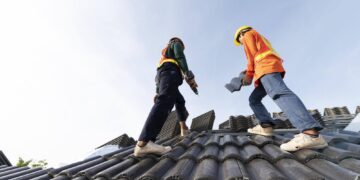
The roof is your property’s main shield against the elements. Unfortunately, it is often ignored until a major leak occurs. Missing shingles, damaged flashing, and deteriorating sealant can allow water to penetrate the attic, leading to massive interior damage.
Similarly, gutters play a vital role in directing rainwater away from the property’s foundation. When gutters fill with leaves, pine needles, and debris, water overflows and pools around the base of the house. Over time, this water pooling causes foundation cracks, basement flooding, and severe soil erosion.
Actionable Tips:
- Inspect the roof from the ground using binoculars at least twice a year, looking for curling, cracked, or missing shingles.
- Clean the gutters and downspouts every spring and late fall. Ensure water flows freely out of the downspouts and drains at least three feet away from the foundation.
- Trim back any overhanging tree branches that could scrape against the roof or drop excessive debris into the gutter system.
By consistently executing these five maintenance tasks, you protect the structural integrity of your rental property, keep your tenants safe, and ensure your real estate investment continues to yield profitable returns for years to come.