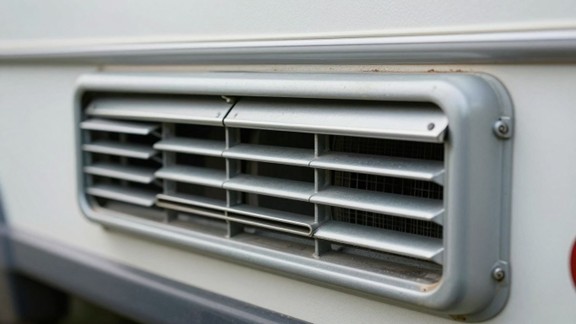
Weak or Warm Airflow
When your caravan’s air conditioner starts blowing air that feels more like a gentle breeze than a cool blast, it’s a clear sign something’s not right. This weak or warm airflow means the unit is struggling to do its job. You might notice the air coming out isn’t as cold as it used to be, or it takes a really long time to feel any difference in the cabin temperature. This reduced cooling performance is often the first thing owners notice.
Several things can cause this. Dirty air filters are a common culprit; they restrict airflow, making the unit work harder and less effectively. Over time, dust can build up on the internal coils, too, acting like a blanket that prevents proper heat exchange. If you’re experiencing weak or warm airflow, it’s a good idea to check those filters first. It’s a simple fix that can make a big difference in how well your aircon cools.
If cleaning the filters doesn’t help, the problem might be more complex. Low refrigerant levels or issues with the compressor could also be the reason your air conditioner isn’t delivering the cool air you expect. These are more serious issues that might need a professional’s attention to get your caravan’s cooling back on track.
Inconsistent Temperature Regulation
Another tell-tale sign that your caravan’s air conditioning is having trouble is when the temperature inside your van starts acting like a rollercoaster. One minute it’s chilly, and the next it’s uncomfortably warm, even though you haven’t changed the thermostat setting. This inconsistent temperature regulation means the system isn’t maintaining a steady climate.
This can happen for a few reasons. The thermostat itself might be faulty, not accurately reading the room temperature or sending the right signals to the unit. Alternatively, the air conditioner might be cycling on and off too frequently, failing to reach a stable operating point. This constant fluctuation is not only annoying but also puts extra strain on the system.
When you notice these temperature swings, it’s worth checking the thermostat settings and ensuring there are no obstructions around the vents that could be affecting airflow. If the problem persists, it might indicate a deeper issue with the unit’s control board or its ability to manage the cooling cycle effectively, impacting overall performance.
Increased Energy Consumption
If you’ve noticed your electricity bills creeping up, especially when you’re running the caravan’s air conditioner, it’s a strong indicator of reduced cooling performance. An air conditioner that’s working harder than it should to achieve the desired temperature will naturally consume more power. This increased energy consumption is a direct consequence of the unit struggling.
When the air conditioner isn’t cooling efficiently, its compressor might run for longer periods, or cycle on and off more often, trying to compensate. This constant activity drains more electricity than a well-functioning unit would. It’s like trying to push a heavy cart uphill; it takes a lot more effort and energy.
This jump in power usage is a clear signal that the air conditioner isn’t operating at its peak. It’s a good prompt to investigate why the unit is struggling, whether it’s due to clogged filters, dirty coils, or a more significant mechanical issue. Addressing the root cause can not only save you money on electricity but also prolong the life of your air conditioning system.
Addressing Unusual Noises and Vibrations
Identifying Strange Operational Sounds
When a caravan air conditioner starts making odd noises, it’s a clear signal that something isn’t quite right. A healthy unit should operate with a quiet hum, but unexpected sounds can point to various issues. Listen closely for specific noises, as they can often tell you what’s going on under the hood. For instance, a persistent rattling might mean a fan blade is loose or something has gotten caught inside the unit. A buzzing sound could indicate electrical problems, while a hissing noise might suggest a refrigerant leak. These unusual sounds are your first clue that the aircon needs attention.
Diagnosing Vibration Issues
Beyond just noise, excessive vibrations can also be a red flag for your caravan’s air conditioning system. If the unit feels like it’s shaking more than usual, it could be due to unbalanced components, such as a fan or motor that’s starting to wear out. Loose mounting hardware is another common culprit; over time, the constant movement of travel can loosen screws and bolts. These vibrations not only make for an uncomfortable experience but can also lead to further mechanical stress on the unit if left unaddressed. It’s important to investigate these vibrations promptly to prevent them from worsening.
Understanding Potential Mechanical Failures
Strange noises and vibrations are often precursors to more significant mechanical failures. A rattling sound, for example, could escalate into a broken fan motor if ignored. Similarly, persistent vibrations might indicate a failing compressor. These issues aren’t just about inconvenience; they can lead to costly repairs or even necessitate a full unit replacement. Regular checks for these operational anomalies are key to catching problems early. Addressing these signs of wear and tear can save you a lot of trouble down the road and keep your caravan cool and comfortable. For owners dealing with rattling, vibration, or cooling issues around Gosford, Terrigal, Woy Woy, or nearby suburbs, caravan aircon repairs in Central Coast can help with mobile diagnosis and repair before the problem turns into a full breakdown.
Investigating Water Leaks and Moisture
Signs of Water Around the Unit
Seeing water pooling around your caravan’s air conditioner isn’t normal. Your aircon is supposed to manage humidity, not create puddles. This often points to a problem with how the unit is handling condensation. It could be something simple like a drain line that’s gotten clogged up with dust or even a bit of algae. Sometimes, the drain pan itself might be out of place or damaged, meaning the water isn’t going where it should. Don’t ignore these drips; they’re an early warning.
Impact of Moisture on Caravan Interiors
When water leaks from the aircon, it doesn’t just stay on the floor. This moisture can seep into your caravan’s walls, flooring, and even furniture. Over time, this can lead to serious damage, weakening materials and creating a damp environment. Worse still, this dampness is a perfect breeding ground for mold and mildew. This isn’t just unsightly; it can affect the air quality inside your caravan and potentially cause health issues for those using it. Keeping your aircon in good shape helps protect your investment.
Addressing Blocked Drain Lines
Blocked drain lines are a common culprit for water leaks. These lines are designed to carry condensation away from the unit. Over time, dirt, leaves, or even small insects can find their way in and create a blockage. You might be able to clear minor clogs yourself using compressed air or a flexible brush. However, if the blockage is severe or you’re not comfortable tackling it, it’s best to call in a professional. Proper maintenance of these drain lines is key to preventing water issues with your aircon.
Troubleshooting Mode Switching Problems
Unit Fails to Switch Between Heating and Cooling
Many modern caravan air conditioners are designed as reverse-cycle units, meaning they can both cool and heat. When the unit struggles to switch between these modes, it’s a clear sign something isn’t right. This issue often points to a problem with the control board, the thermostat settings, or even a faulty sensor that tells the unit which mode to operate in. Don’t ignore this, as it can leave you without climate control when you need it most.
If your aircon won’t switch modes, check the thermostat first. Ensure it’s set correctly for the desired function (heating or cooling) and that the temperature is set appropriately. Sometimes, a simple reset of the thermostat or the entire unit can resolve temporary glitches. If the problem persists, it might be a more complex mechanical or electrical fault that requires professional attention. Troubleshooting mode switching problems is key to maintaining comfort year-round.
Diagnosing Lukewarm Air Output
Receiving lukewarm air from your air conditioner, regardless of the selected mode, is a common symptom of mode switching issues. This can happen if the unit is stuck in a transitional state or if a component responsible for the heating or cooling cycle isn’t engaging properly. It could be a refrigerant issue in cooling mode or a problem with the heating element itself.
Several factors can lead to lukewarm air. Low refrigerant levels are a frequent culprit for poor cooling performance. Conversely, a malfunctioning heating element or a faulty reversing valve (in reverse-cycle units) can prevent effective heating. It’s also possible that the fan is running, but the core heating or cooling mechanism isn’t activating, leading to that disappointing lukewarm output. This is a situation where professional diagnosis is often needed.
Importance of Reverse-Cycle Functionality
The reverse-cycle function in caravan air conditioners is incredibly useful, providing both cooling in hot weather and heating during colder months. This dual capability means you can maintain a comfortable temperature inside your caravan no matter the season, making it a vital feature for many travelers. When this functionality is compromised, it significantly impacts the usability and comfort of your caravan.
Understanding the importance of this feature highlights why addressing mode switching problems promptly is so important. A unit that can’t switch between heating and cooling is essentially only half a system. This can lead to discomfort, especially during transitional weather or when traveling to different climates. Regular checks and prompt repairs for any issues related to the reverse-cycle operation will help ensure your aircon remains a reliable source of comfort.
Eliminating Unpleasant Odors from Your Aircon
Musty Smells During Operation
That musty smell when you first switch on the caravan aircon? It’s a common complaint, and it usually points to a few key areas. Think of your air conditioning system like a small, enclosed environment where dust, moisture, and even tiny organic particles can gather over time. When the unit kicks into gear, especially after a period of inactivity, it stirs all this up and pushes it out into your caravan. It’s not just unpleasant; it can be a sign of bigger issues brewing.
The most frequent culprit is a buildup of mold and mildew within the system’s filters and ductwork. These organisms thrive in damp conditions, and the internal workings of an air conditioner, with its condensation and temperature changes, can be a perfect breeding ground. If you’ve noticed this smell, it’s a good indicator that a thorough cleaning of the internal components is in order. Ignoring these smells can lead to more significant problems down the line.
Causes of Foul Air
Beyond mold, several other factors can contribute to foul air coming from your caravan aircon. Blocked drain lines are a major offender. When condensation can’t drain away properly, it sits stagnant, creating a breeding ground for bacteria and that stale, damp odor. Dust accumulation on the heat exchanger fins, while primarily affecting cooling performance, can also trap odors that get circulated. Even simple things like debris getting into the fan assembly can cause unusual smells when the unit runs.
It’s also worth considering what might be getting drawn into the system from the outside or from within the caravan itself. Pet dander, cooking smells, or even general dust from the road can get trapped in the filters and then released when the aircon is operating. Regular maintenance, including cleaning or replacing filters and checking drain lines, is key to preventing these issues. A clean system means cleaner air.
Health Implications of Poor Air Quality
Breathing in air that’s been circulating through a dirty or moldy air conditioning system isn’t just unpleasant; it can have real health implications. For individuals with allergies, asthma, or other respiratory sensitivities, the mold spores and bacteria released can trigger symptoms like coughing, sneezing, headaches, and difficulty breathing. Over time, prolonged exposure to poor indoor air quality can contribute to a decline in overall respiratory health.
Keeping your caravan aircon clean isn’t just about comfort; it’s about maintaining a healthy living environment. A well-maintained unit ensures that the air you breathe inside your caravan is fresh and free from harmful contaminants. Don’t underestimate the impact of clean air on your well-being, especially when spending extended periods in your caravan.
Addressing unpleasant odors promptly is therefore not just a matter of convenience but a proactive step towards safeguarding the health of everyone traveling in the caravan. A clean aircon system contributes significantly to a healthier travel experience.
Improving Weak or Uneven Airflow
Assessing Air Distribution
When your caravan’s air conditioning system is running, you expect cool air to reach every part of the vehicle. If some areas feel warmer than others, or the airflow from the vents seems weak, it’s a clear sign something isn’t quite right. This uneven distribution means your system isn’t performing as it should, and you might not be getting the full benefit of the cooling. Paying attention to where the air is and isn’t reaching is the first step to fixing the problem.
Common Causes of Restricted Airflow
Several things can cause restricted airflow. Dirty air filters are a big one; they get clogged with dust and debris over time, making it harder for air to pass through. Blocked vents, whether from furniture pushed too close or actual obstructions, also choke the system. Even the internal components, like the heat exchanger fins, can get caked with dust, preventing efficient air movement. Addressing these common issues is key to restoring proper airflow.
Impact on System Efficiency
When airflow is weak or uneven, your air conditioning unit has to work much harder to try and compensate. This extra strain leads to increased energy consumption, meaning higher electricity bills. It also puts unnecessary wear and tear on the system’s components, potentially leading to premature breakdowns and costly repairs down the line. Maintaining good airflow is not just about comfort; it’s about keeping your system running smoothly and efficiently.
A system struggling with poor airflow is like a runner trying to breathe through a straw – it’s inefficient and exhausting.
Here are some common culprits for poor airflow:
- Dirty Air Filters: Clogged filters are a primary cause.
- Obstructed Vents: Furniture, curtains, or other items blocking vents.
- Dusty Coils/Fins: Buildup on internal components hinders air movement.
- Blocked Drain Lines: While not directly airflow, they can cause related issues.
If you’ve checked these and the problem persists, it might be time to look at professional servicing to ensure your caravan’s air conditioning is working at its best.
When to Consider Caravan Aircon Repairs in Central Coast
Sometimes, even with regular checks, your caravan air conditioner might need a professional touch. If you’re noticing persistent issues that simple fixes can’t solve, it’s time to look into caravan aircon repairs in Central Coast. Ignoring these signs can lead to bigger problems and more costly repairs down the line.
Several indicators suggest it’s time to call in the experts. A sudden drop in cooling or heating efficiency, unusual noises like grinding or loud humming, or visible water leaks around the unit are all red flags. If your system is suddenly using way more power than it used to, or if unpleasant odors are coming from the vents, these point to internal issues that need skilled attention. Don’t wait for a complete breakdown; proactive caravan aircon repairs in Central Coast can save you a lot of hassle.
When these problems arise, it’s worth considering whether a repair is the best option or if a replacement unit is more sensible. Older units might struggle with efficiency and lack modern features. However, for many issues, a qualified technician can diagnose the problem and perform the necessary caravan aircon repairs, extending the life of your current system. Getting a professional opinion is key to making the right decision for your comfort and budget.
Wrapping Up: Keeping Your Cool on the Road
So, keeping your caravan’s air conditioner in good shape really comes down to paying attention. Little things like strange noises, weak airflow, or even a funny smell can be early warnings. Catching these issues early, maybe with a quick filter clean or a check of the thermostat, can save you a lot of hassle and money down the road. If you’re not comfortable tackling a problem yourself, or if it seems more serious, don’t hesitate to call in the pros. Regular check-ups are your best bet for avoiding a breakdown when you least expect it, ensuring your travels are always comfortable, no matter the weather outside.