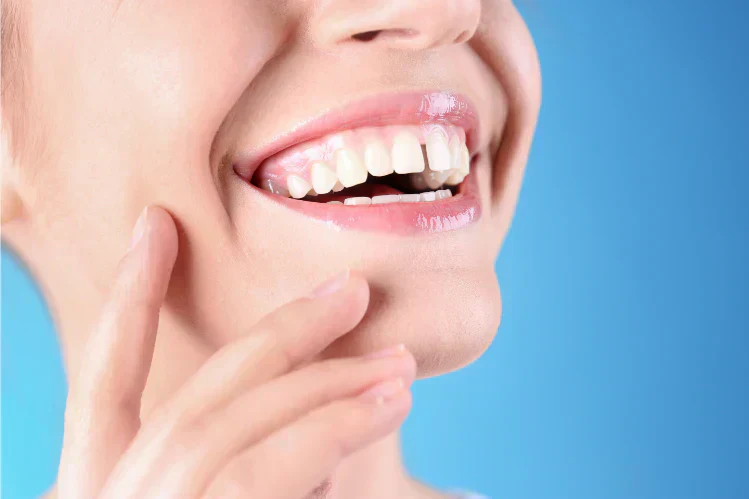
Large gaps between teeth, also known as diastema, are often seen as a cosmetic concern, but their impact goes far beyond appearance. While some people embrace the space in their smile as a unique feature, others may experience functional and psychological challenges. Understanding why these gaps form and how they affect oral health and confidence can help individuals make informed decisions about treatment options and long-term dental care. These gaps may seem minor at first, but their long-term impact can vary depending on oral hygiene habits and overall dental structure. In many cases, early awareness can prevent more serious complications and help maintain a healthier, more functional smile throughout life.
Causes of Large Tooth Gaps
Large tooth gaps can develop for several reasons, including genetics, missing teeth, gum disease, or habits such as thumb sucking during childhood. In some cases, the size of the jaw is simply larger than the teeth, leading to natural spacing. Shifting teeth due to aging or orthodontic relapse can also increase gaps over time. While some spacing is harmless, significant gaps may indicate underlying dental issues that require professional evaluation.
Effects on Oral Health
Beyond appearance, large gaps can affect oral health in several ways. Food particles may become trapped more easily, increasing the risk of plaque buildup and gum inflammation. Uneven spacing can also lead to improper bite alignment, causing excessive wear on certain teeth. In some cases, speech may be affected, particularly with sounds that require precise tongue placement. Over time, these issues can contribute to discomfort and long-term dental complications if left unaddressed.
Impact on Speech and Confidence
Large tooth gaps can also influence self-esteem and social confidence. For some individuals, the appearance of their smile may cause embarrassment or hesitation when speaking or laughing in public. This can affect personal interactions and even professional opportunities. However, modern dentistry offers several solutions to address spacing concerns. Treatments such as orthodontic aligners, veneers, and bonding teeth braces can help improve both function and appearance, restoring confidence in one’s smile.
Treatment Options
Treatment options depend on the severity and cause of the gaps. Mild spacing may be corrected with cosmetic procedures like dental veneers or composite bonding. More significant cases often require orthodontic treatment to gradually move teeth into proper alignment. In situations where missing teeth are the cause, implants or bridges may be recommended. A dental professional can assess individual needs and create a personalized plan to achieve both functional and aesthetic improvements.
Daily Impact and Prevention
Living with large tooth gaps can affect daily routines more than many people realize. Simple activities like eating certain foods may become inconvenient as particles can get lodged between teeth more easily. This may require more frequent brushing or flossing to maintain cleanliness. In addition, individuals may become more conscious of their smile in social settings, which can influence communication style and willingness to engage in conversations. Maintaining good oral hygiene becomes especially important to prevent gum issues and decay in affected areas. Regular dental checkups allow early detection of any complications related to spacing.
Preventive care also plays a key role in managing the effects of tooth gaps. Brushing twice daily with fluoride toothpaste, flossing carefully, and using mouthwash can help reduce plaque buildup. Avoiding habits that worsen spacing, such as tongue thrusting or nail biting, may also be beneficial. Early orthodontic consultation in childhood or adolescence can prevent more severe spacing later in life. Ultimately, awareness and proactive care can significantly reduce the negative effects associated with large gaps between teeth.
In Conclusion
While tooth gaps are common and often harmless, large spaces can have meaningful effects on oral health, speech, and self-confidence. Fortunately, advancements in dental care make it easier than ever to address these concerns effectively. Whether for health or aesthetic reasons, seeking professional advice is the best step toward achieving a balanced, healthy smile that supports both function and confidence in everyday life.
Addressing large gaps is not only about improving appearance but also about supporting long-term oral health and comfort. With proper care and timely intervention, many individuals experience significant improvements in both function and confidence. Regular communication with a dental professional ensures that any changes in spacing are monitored and managed effectively, reducing the likelihood of future complications and supporting a more stable dental structure over time.