Introduction:
Preparing your home for emergencies and power outages is no longer something that can be delayed or treated as optional. With increasing weather disruptions, infrastructure challenges, and unexpected events, households must be ready to function safely without relying on continuous electricity or external support. The goal is not just to survive an outage but to maintain stability, safety, and comfort during uncertain situations.
A well-prepared home reduces panic, protects valuable systems, and ensures that your family can respond effectively when something goes wrong. Preparation is about creating structure and control in unpredictable moments. By understanding risks and building practical systems in advance, you can turn a potentially stressful situation into a manageable one.
Understanding why preparation matters for emergencies and outages:
Many homeowners underestimate the real impact of power outages until they experience one. Even a short outage can disrupt communication, food storage, security systems, and daily routines. When outages extend for hours or days, the effects become more serious, especially for households with children, elderly members, or medical needs.
Preparation allows you to stay ahead of these disruptions rather than reacting under pressure. When systems are already in place, decision-making becomes easier, and stress levels remain lower. This proactive approach ensures that you can protect both your home and your well-being during emergencies.
Building a basic emergency supply system for your home:
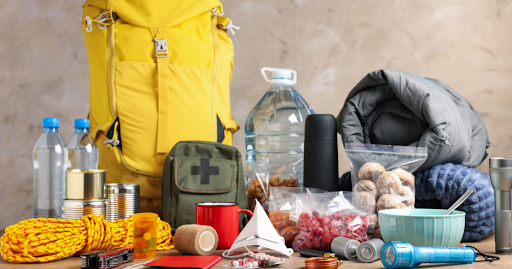
Creating an emergency supply system ensures that your household can meet its basic needs without relying on external services. This includes having access to food, water, lighting, and essential tools that can support daily life during an outage.
Instead of scrambling to gather supplies at the last moment, having everything organized and accessible makes a significant difference. A well-prepared home includes stored water, non-perishable food, reliable lighting options, and basic medical supplies. These essentials provide stability and reduce the risk of unnecessary hardship during emergencies.
Planning food and water storage for emergency situations:
Food and water planning is one of the most critical aspects of emergency preparedness. Without proper storage, households can quickly run out of essential resources, especially during extended outages or disasters.
Ensuring that you have enough water for each household member and storing food that does not require refrigeration or cooking can help maintain normalcy during disruptions. Regularly checking and rotating supplies ensures that everything remains usable when needed. This level of planning prevents last-minute shortages and provides peace of mind.
Creating a household emergency plan everyone understands:
A clear and well-communicated emergency plan is essential for keeping everyone in your home safe. Without a plan, confusion and panic can take over, making it harder to respond effectively in critical situations.
Katie Wilson, CEO & Owner of Spaulding Decon, emphasizes the importance of preparation:
“Most people don’t think about emergency readiness until something goes wrong, and by then options are limited. Whether it’s a severe storm, an unexpected power outage, or a natural disaster, a little preparation goes a long way. Start with the basics and have a household evacuation plan that everyone in your home knows, including where to meet and what to grab. The best emergency plan is the one you’ve already made.”
Preparing your home electrical system for safe outage recovery:
While most people focus on surviving a power outage, the recovery phase can be just as risky. When electricity returns, systems often restart all at once, which can place significant stress on your home’s electrical infrastructure.
Adam Cain, VP of Marketing for ElectricityRates.com, explains this often-overlooked risk:
“Most homeowners prepare for outages by stockpiling supplies, but the bigger financial risk is how your home acts when the power comes back on. Appliances restarting all at once can spike demand, strain your system, and shorten the lifespan of high-ticket items. The smartest preparation is actually about control, not just backup.”
Managing appliances and preventing power surge damage:
Controlling how appliances behave before and after an outage is essential for protecting your home. Sudden power surges can damage electronics, reduce efficiency, and lead to costly repairs.
By turning off or unplugging non-essential devices before an outage and bringing systems back online gradually, you can reduce strain on your electrical system. This approach helps extend the lifespan of appliances and prevents unnecessary damage caused by sudden electrical demand.
Reducing energy costs and system strain after outages:
After power is restored, many systems work harder to stabilize indoor conditions, especially during extreme weather. This increased demand can lead to higher energy bills and additional wear on equipment.
Taking steps such as maintaining proper insulation, sealing drafts, and keeping thermostat settings moderate can reduce this strain. These small adjustments help your home recover more efficiently and prevent hidden costs from appearing later.
Keeping communication tools ready during emergencies:
Jessica Shee from iboysoft.com adds, “Communication is one of the most important aspects of emergency preparedness. During outages, access to information can be limited, making it essential to have reliable backup options.
Keeping devices charged, having access to battery-powered communication tools, and maintaining a list of important contacts ensure that you remain informed. This allows you to respond quickly and make better decisions during uncertain situations.”
Preparing lighting and backup power solutions for your home:
Ben Goldberg, CEO of Food Truck Promotions, shares, “Lighting becomes a major concern during power outages, especially at night or in homes without natural light. Without proper preparation, even simple tasks can become difficult or unsafe.
Having reliable lighting options such as flashlights, rechargeable lamps, or backup power sources ensures that your home remains functional. Proper lighting also reduces the risk of accidents and helps maintain a sense of normalcy during disruptions.”
Protecting your home from weather-related emergencies:
Severe weather is one of the leading causes of power outages and home damage. Preparing your home structurally can reduce the impact of storms and improve overall safety.
Securing windows and doors, maintaining your roof, and clearing outdoor hazards are essential steps in minimizing damage. These preventative measures strengthen your home’s resilience and reduce the likelihood of major issues during extreme conditions.
Preparing for evacuation and mobility during emergencies:
David Ratmoko, Owner and Director, Metro Models, believes, “In some cases, staying at home may not be the safest option. Having a clear evacuation plan ensures that you can leave quickly and safely if necessary.
Planning routes, identifying safe meeting points, and keeping essential items ready can make evacuation less stressful. Preparation allows you to act quickly without wasting time gathering belongings or making decisions under pressure.”
Including pets in your emergency preparedness plan:
Pets are often overlooked during emergency planning, but they require just as much preparation as people. Ensuring their safety and comfort is an important part of overall readiness.
Having food, water, and necessary supplies ready for pets helps maintain their well-being during stressful situations. Planning for their transportation and identifying pet-friendly shelters ensures that they remain safe if evacuation is required.
Maintaining long term preparedness through regular updates:
Emergency preparedness is not a one-time effort. Over time, supplies can expire, plans may become outdated, and household needs can change.
Regularly reviewing and updating your preparations ensures that everything remains effective. This ongoing effort keeps your home ready for any situation and allows you to adapt to new challenges as they arise.
Conclusion:
Preparing your home for emergencies and power outages is about creating a system that supports safety, stability, and efficiency. It is not just about having supplies but about understanding how your home functions during disruptions and taking control of those situations.
By investing time in preparation and maintaining consistent readiness, you can reduce risks, protect your property, and ensure the safety of your family. The effort you make today will provide long-term benefits when unexpected events occur.