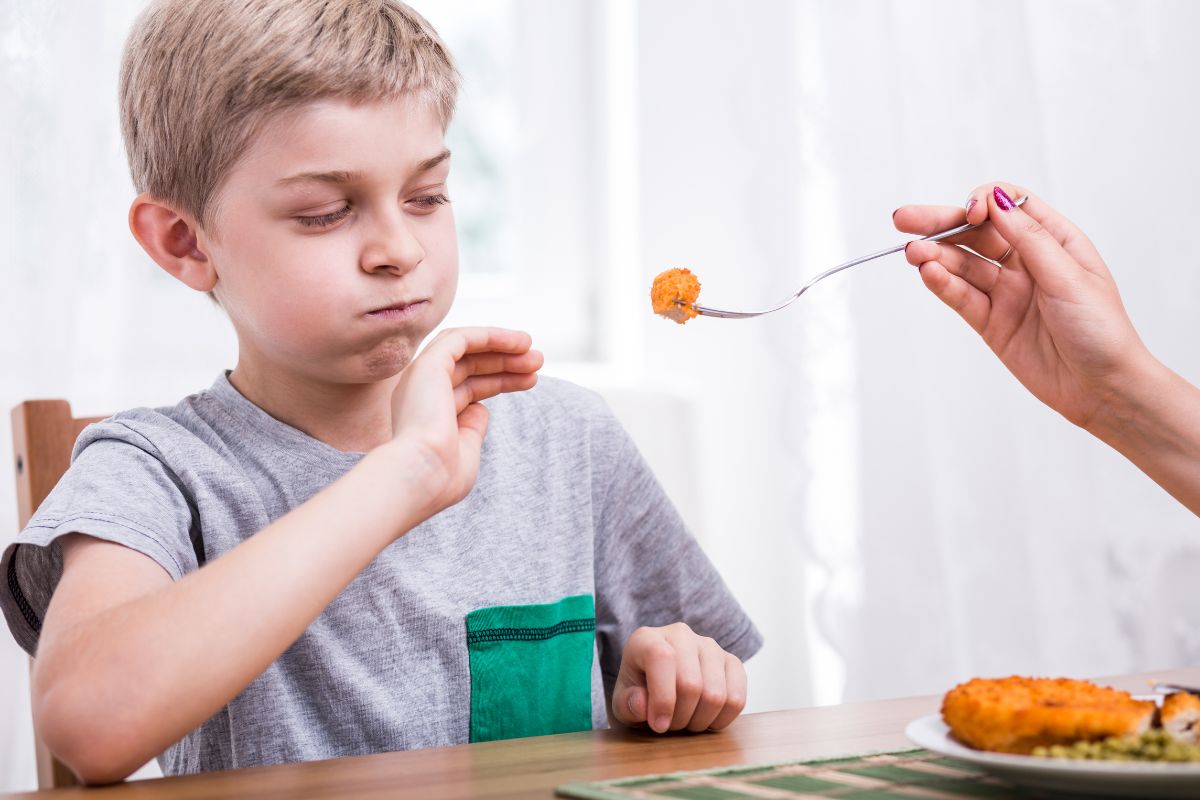
At some point, almost every parent with a toddler hits the same wall. The meal they loved last Tuesday is suddenly “yucky.” The banana that was perfectly acceptable yesterday is now unacceptable because it broke in half. It doesn’t mean you’re doing anything wrong. It just means you have a toddler.
Picky eating in young children is genuinely common. Studies suggest somewhere between 25% and 50% of normally developing children go through phases of food refusal or restricted preferences at any given time. That’s a wide range, but the point holds: if your kid turns their nose up at half the things you put in front of them, they’re not unusual. You can probably stop taking it personally.
Why Toddlers Get Picky in the First Place
It’s partly developmental. Around ages two and three, many children go through a phase of food neophobia, where unfamiliar foods register as something to avoid. From a survival-instinct standpoint it actually makes a kind of sense. It doesn’t make it less frustrating when forty minutes of cooking gets rejected in four seconds.
Appetite also fluctuates quite a bit in toddlers, often changing noticeably from day to day. So the day your child barely touches their food may have nothing to do with what’s on the plate. Their body just isn’t particularly hungry right then. Worth knowing, if only to stop yourself spiraling.
What Actually Tends to Backfire
Pressure usually makes things worse. Forcing a child to eat something, or making a production out of refusal, tends to build negative associations with that food over time. Health guidance generally recommends offering new foods repeatedly and pairing them with things a child already likes, since familiarity is usually what makes the difference.
It can take many exposures, sometimes 10 to 20 or more, before a child is willing to eat something with any regularity. That’s a lot of rejected broccoli. But the approach is to keep putting it on the plate without making it a confrontation. Slow and boring, basically.
Some parents also find that giving toddlers a small amount of control helps. Letting them pick between two options, not twenty, can reduce the standoffs at the table. It doesn’t always work, and some kids will refuse regardless. But it’s worth trying before you resign yourself to plain pasta every night.
The Mental Load Nobody Talks About
There’s a part of this that doesn’t come up much: the planning. Before you even think about what a toddler will or won’t eat, someone has to figure out what to make, whether you have the ingredients, and whether this is the fourteenth time this month you’ve served the same thing. That mental math adds up faster than most people expect.
For some families, the challenge isn’t just what a toddler will eat, but having something ready at all. A handful of services have emerged specifically to address this. They focus on age-appropriate meals made with cleaner ingredients, portioned for small kids, and designed to cut down on nightly decision-making. Nurture Life meal delivery is one of the more established options in this space, with dietitian-designed, age-specific meals built around whole ingredients. The practical appeal for busy parents: something balanced on the table in minutes, without planning or prep.
A lot of parents still rotate through a short list of accepted foods the rest of the week. Which works until it doesn’t, because kids also cycle through preferences and go off things they used to love. Moving target, as ever.
Keeping Some Perspective
Most picky eating in toddlers does ease with time. It tends to peak somewhere around ages two to six and often becomes less rigid as kids grow older and start eating in wider social settings, like school lunches, birthday parties, and eating over at a friend’s house. None of that helps much on a Thursday night when the pasta’s getting cold.
What tends to work in the long run is keeping mealtimes low-pressure, offering a range of foods consistently, and not letting it turn into a battle of wills every evening. Easy to say. Harder to do at 6pm when everyone’s tired and someone is crying about the color of their cup.
But that’s the job, on most evenings.