Every successful construction project begins long before walls are raised or concrete is poured. The real work starts beneath the surface, where careful planning and preparation determine the stability and durability of everything that follows. Proper ground preparation is not just an early step in construction it is the core of structural success. Understanding the principles, techniques, and importance of excavation & grading ensures that any project begins on solid ground and avoids costly complications in the future.
Understanding the Importance of Ground Preparation
Before construction begins, the land must be carefully evaluated and prepared to meet structural requirements. This process involves analyzing soil conditions, drainage patterns, and elevation differences. Without proper preparation, even the most well-designed buildings can face serious issues such as shifting foundations, water intrusion, and uneven settling.
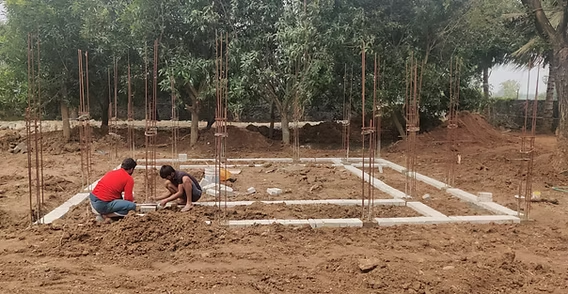
The process of excavation & grading transforms raw land into a stable and functional construction site. It includes removing unwanted materials, leveling surfaces, and shaping the terrain to support structural loads. This stage demands precision, as even small mistakes can lead to long-term structural problems.
A properly prepared site ensures stability, enhances drainage, and provides a reliable base for construction, ultimately protecting the investment for years to come.
The Role of Excavation in Construction
Excavation involves removing soil and other materials to create space for foundations, basements, and infrastructure. It is one of the most critical steps in construction, as it directly affects the strength and durability of the structure.
There are various types of excavation, including shallow excavation for smaller projects and deep excavation for large-scale developments. Trenching is also commonly used for installing utilities such as water lines and electrical systems. Each type requires specialized tools and careful planning.
During excavation & grading, it is essential to evaluate the load-bearing capacity of the soil. Proper excavation ensures that the foundation rests on stable ground, reducing the risk of structural damage over time.
Understanding Grading and Its Impact
Grading is the process of shaping the land to achieve the desired slope and elevation. This step is essential for controlling water flow and preventing drainage problems that could damage the structure.
Improper grading can lead to water pooling around buildings, which can weaken foundations and cause long-term deterioration. By adjusting the slope of the land, grading ensures that water flows away from structures and toward designated drainage areas.
Excavation & grading work together to create a balanced and efficient site. While excavation focuses on removing materials, grading refines the land to meet design specifications and safety standards.
Tools and Equipment Used in Ground Preparation
Modern construction relies on advanced machinery to perform excavation and grading efficiently. Equipment such as excavators, bulldozers, and motor graders are commonly used to move and shape large volumes of soil with precision.
Excavators are used for digging and removing materials, while bulldozers help level and push soil into place. Graders are responsible for creating smooth and even surfaces, ensuring proper slope and alignment.
The use of specialized equipment allows contractors to complete excavation & grading tasks more accurately and efficiently, reducing both time and labor costs.
Soil Types and Their Influence on Construction
Different soil types have unique properties that influence how they behave under pressure and moisture conditions. Understanding these characteristics is essential for successful ground preparation.
Clay soils tend to expand and contract depending on moisture levels, which can affect stability. Sandy soils provide better drainage but may require reinforcement to support heavy structures. Mixed soil conditions can present additional challenges that must be carefully managed.
During excavation & grading, soil testing is often conducted to determine its strength and suitability for construction. This helps engineers design foundations that can withstand environmental and structural pressures.
Ensuring Proper Drainage
Effective drainage is one of the most important outcomes of proper grading. Without it, water can accumulate around structures, leading to erosion, foundation damage, and mold growth.
Grading creates a gentle slope that directs water away from buildings. In some cases, additional drainage systems such as trenches, pipes, or retention areas may be required to manage water flow effectively.
By incorporating drainage planning into excavation & grading, construction projects can avoid costly repairs and maintain structural integrity over time.
Safety Considerations in Excavation Work
Excavation work involves significant risks, making safety a top priority. Workers must deal with heavy machinery, uneven ground, and the potential for soil collapse.
Proper safety measures include wearing protective gear, maintaining clear communication on-site, and following established guidelines. Excavation sites must be regularly inspected to identify and address potential hazards.
Techniques such as sloping and shoring are often used to prevent cave-ins and ensure worker safety. These precautions are essential for carrying out excavation & grading operations without accidents or delays.
Environmental Impact and Responsible Practices
Ground preparation can affect the surrounding environment if not handled responsibly. Disturbing soil and removing vegetation can lead to erosion and disrupt natural ecosystems.
To minimize environmental impact, contractors should implement sustainable practices such as erosion control, proper waste management, and replanting vegetation after construction is complete.
Responsible excavation & grading balances development with environmental preservation, ensuring that construction projects do not cause unnecessary harm to the surrounding area.
Common Challenges and How to Overcome Them
Ground preparation often comes with unexpected challenges. Hidden utilities, unstable soil conditions, and varying terrain can complicate the process.
Thorough site analysis before starting work can help identify potential obstacles. Adjustments to the plan may be necessary to address these issues effectively.
Flexibility and expertise are key to overcoming challenges during excavation & grading. With proper planning and execution, even complex sites can be prepared successfully.
The Importance of Professional Expertise
While small projects may be manageable without professional help, larger construction efforts require experienced contractors. Professionals bring specialized knowledge, advanced equipment, and proven techniques to the job.
They can assess site conditions accurately, develop efficient plans, and ensure that all work meets safety and regulatory standards. Their expertise reduces the risk of errors and improves the overall quality of the project.
Investing in professional excavation & grading services ensures that the work is completed correctly and efficiently.
Long-Term Benefits of Proper Ground Preparation
Proper ground preparation offers long-term advantages that extend beyond the initial construction phase. A well-prepared site reduces the likelihood of structural problems, lowers maintenance costs, and increases the lifespan of the building.
Good grading improves drainage and prevents water-related damage. Stable soil supports the structure and minimizes the risk of shifting or settling.
Excavation & grading are essential investments that contribute to the durability and success of any construction project.
Preparing for Future Projects
A properly prepared site makes it easier to plan and execute future developments. Whether expanding a structure or adding new features, a stable foundation provides flexibility and reliability.
Regular maintenance and inspections help preserve the condition of the land and ensure that it continues to meet construction needs.
By maintaining the results of excavation & grading, property owners can maximize the value and usability of their land.
Final Thoughts on Building from the Ground Up
Every construction project depends on the strength of its foundation. Without proper ground preparation, even the most advanced designs can face serious challenges.
Understanding the role of excavation & grading allows for better planning, safer execution, and more reliable results. From soil analysis to drainage planning, each step plays a vital role in ensuring success.
By taking a careful and informed approach, construction projects can achieve long-term stability, safety, and performance. Excavation & grading are not just technical processes—they are the essential first steps in building structures that stand the test of time