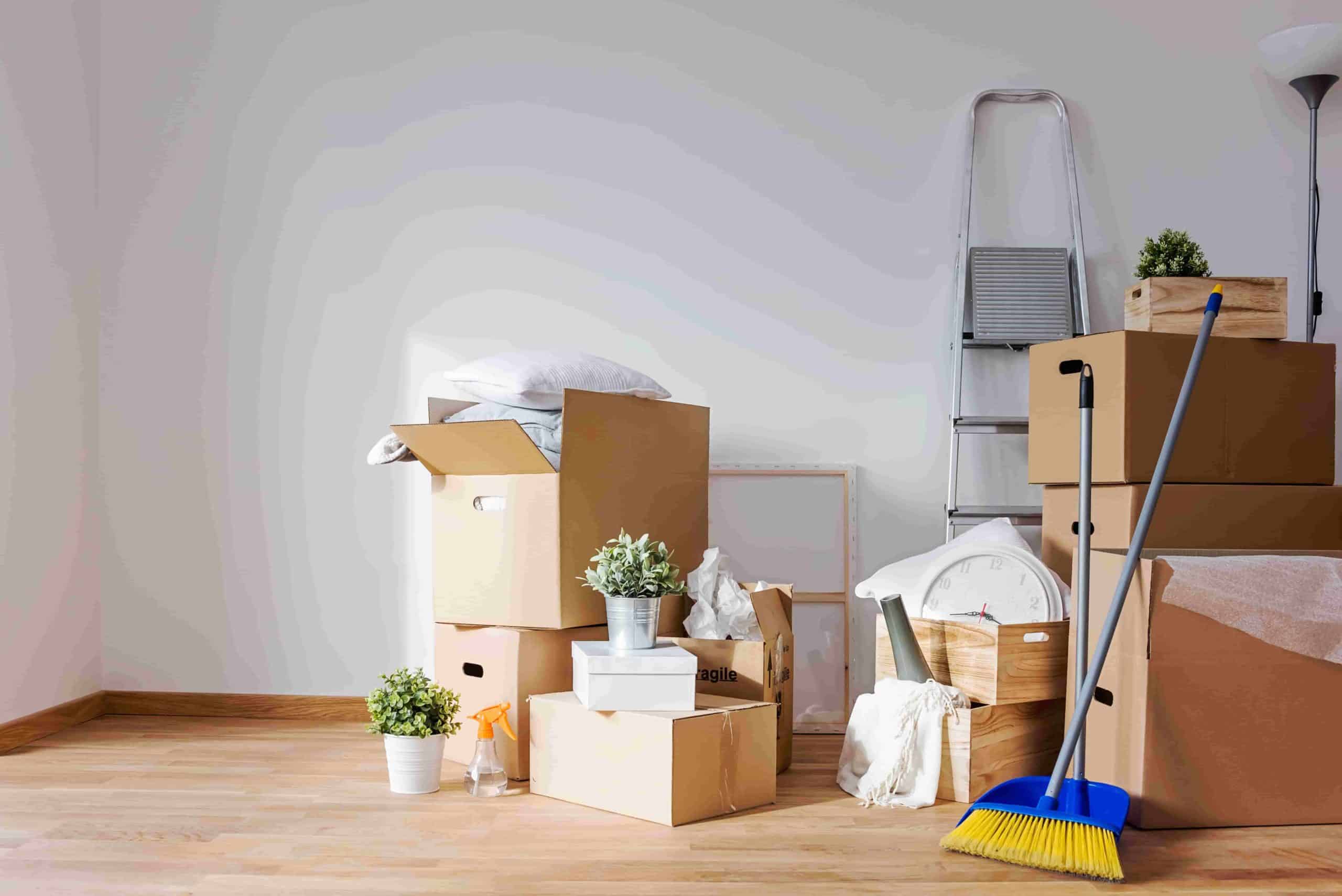
Moving out of a home is a major transition that often comes with a long checklist of responsibilities. Among packing, organizing, and coordinating logistics, cleaning is one of the most important yet commonly underestimated tasks. Whether you are a tenant hoping to secure your deposit or a homeowner preparing a property for its next occupant, a thorough cleaning process is essential. This guide will walk you through everything you need to know to handle the process efficiently, avoid common mistakes, and leave the space in excellent condition.
Why Move-Out Cleaning Matters More Than You Think
Cleaning when leaving a property is not just about appearances. It has practical, financial, and even emotional implications. Landlords and property managers typically expect the space to be returned in the same condition it was received, minus normal wear and tear. Failing to meet those expectations can result in deductions from your security deposit.
Beyond financial concerns, a clean space shows respect for the next occupant. It creates a smooth transition and reflects positively on you as a responsible tenant or homeowner. Additionally, a deeply cleaned home is easier to inspect for damages, making it simpler to address any final repairs before handing over the keys.
Planning Your Cleaning Strategy
A successful cleaning process begins with a solid plan. Trying to clean everything at the last minute can lead to missed areas and unnecessary stress. Start by assessing the size and condition of the property. Larger homes or spaces that haven’t been regularly maintained will naturally require more time and effort.
Create a checklist of all rooms and areas, including often-overlooked spaces like closets, storage areas, and behind appliances. Divide tasks into manageable sections and allocate time for each. If possible, begin cleaning a few days before your move-out date to avoid rushing.
It’s also helpful to gather all necessary supplies in advance. This includes cleaning solutions, microfiber cloths, sponges, brushes, a vacuum cleaner, a mop, and protective gloves. Having everything ready ensures a smoother workflow and prevents interruptions.
Room-by-Room Cleaning Breakdown
Approaching the cleaning process room by room is one of the most effective strategies. It keeps you organized and ensures no area is neglected.
Kitchen
The kitchen often requires the most effort due to grease, food residue, and frequent use. Start by emptying all cabinets and drawers, then wipe them inside and out. Pay special attention to corners where crumbs tend to accumulate.
Clean all appliances thoroughly. The oven should be degreased, the refrigerator emptied and sanitized, and the microwave wiped inside and out. Don’t forget to clean behind and underneath large appliances if they are movable.
Countertops should be disinfected, and sinks scrubbed to remove stains and buildup. Finish by mopping the floor and ensuring there are no lingering odors.
Bathroom
Bathrooms demand a high level of sanitation. Scrub the toilet, sink, and bathtub or shower using appropriate cleaning agents. Remove soap scum, mold, and mildew from tiles and grout.
Mirrors should be polished to a streak-free finish, and cabinets cleaned both inside and out. Replace any burnt-out bulbs and ensure fixtures are free from water spots. A final sweep and mop of the floor will complete the process.
Living Areas and Bedrooms
These spaces may seem easier, but they still require attention to detail. Dust all surfaces, including shelves, baseboards, and light fixtures. Clean windows and window sills, and ensure blinds or curtains are free of dust.
Vacuum carpets thoroughly and consider steam cleaning if there are visible stains. For hard floors, sweep and mop to restore their shine. Check walls for marks or scuffs and clean them gently where possible.
Closets should be emptied and wiped down, ensuring they are ready for the next occupant.
Tackling Hidden and Overlooked Areas
One of the biggest mistakes people make is overlooking less obvious areas. These spaces can make a significant difference in the overall impression of cleanliness.
Baseboards, door frames, and light switches often accumulate dirt and fingerprints. Air vents and ceiling fans can collect dust that becomes noticeable during inspections. Make sure to clean these thoroughly.
Don’t forget behind doors, under sinks, and inside storage spaces. These areas are frequently checked during final walkthroughs and can impact your overall evaluation.
Common Mistakes to Avoid
Even with the best intentions, certain mistakes can compromise your efforts. Avoid using the wrong cleaning products, as they can damage surfaces or leave residue. Always follow instructions and test products on a small area first.
Another common error is rushing through the process. Cleaning requires time and attention to detail. Skipping steps or doing a superficial job may result in additional work later.
Neglecting repairs is also a mistake. Small issues like nail holes, loose handles, or minor scratches should be addressed before cleaning. This ensures the property looks well-maintained and ready for the next occupant.
Should You Hire Professionals?
While many people choose to handle cleaning themselves, hiring professionals can be a worthwhile investment. Professional cleaners have the tools, expertise, and experience to deliver a high standard of cleanliness in less time.
If your schedule is tight or the property requires extensive cleaning, outsourcing the task can reduce stress and ensure better results. It also provides peace of mind, especially when your deposit is at stake.
However, if you decide to do it yourself, following a structured approach and dedicating sufficient time can still yield excellent results.
Time Management Tips for Efficiency
Time management plays a crucial role in the cleaning process. Start early and break tasks into smaller segments to avoid feeling overwhelmed. Focus on one room at a time and complete it before moving on to the next.
Set realistic goals for each day and prioritize areas that require the most effort. Taking short breaks can help maintain energy and productivity, especially during long cleaning sessions.
Enlisting help from friends or family can also speed up the process. Assign specific tasks to each person to ensure efficiency and avoid duplication of effort.
The Importance of Final Inspection
Once cleaning is complete, conduct a thorough inspection of the entire property. Walk through each room and check for missed spots or areas that need additional attention.
Use natural light to identify streaks, dust, or stains that may not be visible under artificial lighting. Pay attention to details, as these can make a significant difference in the final impression.
If possible, compare the current condition of the property with the move-in checklist or photos. This helps ensure you have met the required standards and reduces the likelihood of disputes.
Creating a Lasting Impression
Leaving a property in pristine condition is more than just fulfilling an obligation. It creates a positive impression that can benefit you in the future. Landlords are more likely to provide favorable references, and buyers or new tenants will appreciate the effort.
A well-executed move out cleaning process reflects responsibility, care, and attention to detail. It sets the stage for a smooth transition and leaves the space ready for its next chapter.
Final Thoughts
Moving out is often a busy and emotional time, but cleaning doesn’t have to be overwhelming. With proper planning, the right tools, and a systematic approach, you can achieve excellent results without unnecessary stress.
Remember that consistency and attention to detail are key. From tackling high-traffic areas to addressing hidden spots, every step contributes to the overall outcome. Whether you choose to handle the task yourself or seek professional help, prioritizing cleanliness ensures a successful move-out experience.
By approaching the process thoughtfully and dedicating the necessary time, you can confidently complete your move out cleaning responsibilities and leave the property in a condition that meets or exceeds expectations.