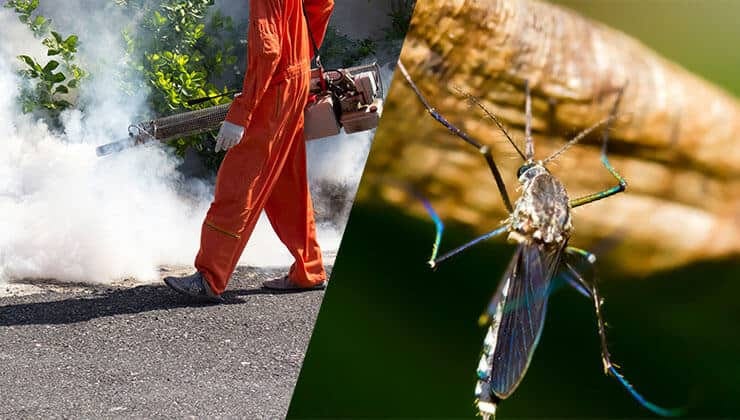
Mosquitoes are among the most persistent and widespread pests affecting humans worldwide. Their bites are not only irritating but can also transmit a range of serious diseases, including malaria, dengue fever, Zika virus, and West Nile virus. Effective mosquito control is crucial for both public health and personal comfort. Understanding mosquito behavior, breeding patterns, and the variety of methods available for control is key to managing these insects effectively.
Understanding Mosquito Behavior and Life Cycle
Mosquitoes reproduce rapidly and are highly adaptable to their environments. Female mosquitoes lay eggs in standing water, which can be found in natural bodies of water such as ponds and marshes, as well as man-made containers like buckets, discarded tires, flowerpots, and clogged gutters. Within a few days, the eggs hatch into larvae, which mature into pupae and eventually emerge as adult mosquitoes capable of biting humans and animals.
Their short life cycle, typically two to three weeks, allows mosquito populations to grow quickly, making them difficult to control without a comprehensive approach. Moreover, different mosquito species have unique habits: some are active during the day, while others feed at dusk or nighttime. Recognizing these behavioral patterns is an essential component of mosquito control.
Environmental Management for Mosquito Control
The most effective foundation for mosquito control is environmental management. By reducing or eliminating standing water, the primary breeding ground for mosquitoes, populations can be significantly lowered. Simple measures such as emptying water from containers, cleaning gutters, and covering water storage tanks can drastically reduce mosquito activity.
Landscaping also plays a role in mosquito management. Dense vegetation, water-retentive plants, and shaded areas can create ideal habitats for mosquitoes to rest and breed. Thoughtful garden planning, such as trimming foliage, removing low-lying pools, and avoiding plants that retain water, supports long-term mosquito control. Community-wide cleanup initiatives further enhance these efforts by collectively removing potential breeding sites.
Biological Approaches to Mosquito Control
Biological control methods utilize natural predators and organisms to reduce mosquito populations without harming the environment. For example, introducing fish species such as Gambusia, commonly known as mosquito fish, into ponds or water features can effectively consume mosquito larvae. Additionally, bacteria like Bacillus thuringiensis israelensis (Bti) target mosquito larvae specifically, releasing toxins that disrupt their development while remaining safe for humans, pets, and other wildlife.
These methods offer environmentally sustainable solutions and can be integrated into broader mosquito control programs. Biological control also reduces reliance on chemical interventions, which can contribute to resistance and environmental harm if overused.
Chemical Methods and Targeted Insecticides
Chemical control remains a widely employed method, particularly in areas with high mosquito activity or disease risk. Insecticides can be applied through fogging, sprays, or treated materials such as nets. While effective, chemical solutions must be applied judiciously to prevent the development of resistance and to minimize ecological impacts.
Targeted insecticide use, combined with habitat reduction and biological interventions, represents a balanced approach to mosquito control. Indoor insecticides, such as sprays or treated nets, can reduce mosquito presence in homes and workplaces, enhancing comfort and safety.
Personal Protection Measures
Individual actions are an essential component of mosquito control. Wearing long sleeves, using insect repellents, and installing window or door screens can prevent mosquito bites indoors and outdoors. Mosquito coils, repellant candles, and other preventive products provide additional layers of protection in high-risk areas.
Maintaining cleanliness around homes and workplaces is also critical. Regularly emptying water from pet bowls, plant saucers, and outdoor containers ensures that mosquitoes have no safe space to breed. Personal protection measures, when combined with community-wide initiatives, multiply the effectiveness of mosquito control strategies.
Technological Innovations in Mosquito Control
Modern technology is transforming mosquito control practices. Smart surveillance systems monitor mosquito populations and predict potential outbreaks, enabling proactive interventions. Remote sensors and drones can detect hidden or hard-to-reach breeding sites, making control efforts more precise and efficient.
Genetic modification technologies are also being explored as a long-term solution. By altering mosquito reproduction or lifespan, scientists aim to reduce the number of disease-carrying mosquitoes without affecting other species. Such innovations, while still under research and testing, hold significant promise for future mosquito control strategies.
Integrated Mosquito Management
Successful mosquito control requires a multi-faceted approach. Integrated mosquito management combines environmental management, biological methods, chemical treatments, personal protection, and technological innovations. By using several strategies simultaneously, communities can achieve sustainable mosquito population reduction.
Integrated approaches are particularly effective because relying on a single method is often insufficient. Mosquitoes are highly adaptable, and resistance to chemicals or changes in environmental conditions can render one approach less effective. A coordinated plan that addresses breeding, survival, and human exposure ensures the best outcomes for long-term mosquito control.
Seasonal Considerations
Mosquito populations are influenced by seasonal factors, including temperature, rainfall, and humidity. Warmer months and rainy periods provide optimal breeding conditions, causing population surges. Anticipating these seasonal changes allows for timely interventions such as preemptive larvicidal treatments, intensified public awareness campaigns, and targeted surveillance.
Understanding seasonal dynamics is essential for efficient mosquito control. Planning interventions according to peak activity periods ensures that resources are deployed effectively and that mosquito-borne disease risks are minimized.
Community Engagement and Education
Community participation is a cornerstone of effective mosquito control. Educating residents about the risks posed by mosquitoes, their breeding habits, and preventive measures fosters a culture of awareness and responsibility. Public campaigns, workshops, and social media outreach can inform communities about the importance of eliminating standing water, using repellents, and supporting local control programs.
When individuals and communities work together, the impact of mosquito control efforts is magnified. Collaborative clean-up initiatives, shared monitoring programs, and reporting systems for high-risk areas all contribute to long-term population reduction.
Conclusion
Mosquito control is an ongoing and complex challenge that requires proactive, multi-layered strategies. By combining environmental management, biological interventions, chemical solutions, personal protection measures, and modern technological innovations, communities can reduce mosquito populations effectively and sustainably. Awareness, education, and community participation further enhance these efforts, ensuring that both human health and comfort are protected.
Implementing integrated mosquito control practices not only minimizes the risk of mosquito-borne diseases but also improves quality of life. Continued research, monitoring, and adoption of innovative strategies will be key to staying ahead of these persistent pests. Sustained commitment from individuals, communities, and authorities is essential for achieving lasting success in the battle against mosquitoes.