Tesla vehicles feature sleek paint finishes that enhance their modern design, but that same finish can easily collect chips, scratches, and road debris damage over time. Paint protection film offers a practical way to shield these surfaces without altering the vehicle’s appearance.
This article explains how professional PPF installation works, why it often performs better than DIY kits, and what Tesla owners should expect from coverage options, curing conditions, and maintenance routines.
It also reviews typical installation costs and the long-term financial value of protecting factory paint. Understanding these factors helps owners make informed decisions about preserving both appearance and resale value.
Tesla PPF installation: Why professional application matters
For long-lasting protection for your Tesla, choosing a premium solution like ID Protection PPF makes a noticeable difference over time.
Certified Tesla PPF installers vs DIY approach
DIY installations often result in bubbles, wrinkles, and less effective protection. What looks like a money-saving move turns expensive fast. Studies show vehicle owners often spend substantial amounts correcting mistakes from DIY PPF installations. These costs include film removal, surface repair, and professional reinstallation.
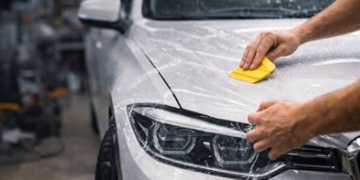
Correction expenses frequently exceed the savings from attempting DIY installation. Professional installers use advanced software designed for specific vehicle models. They cut every piece of paint protection film to match your car’s exact specifications precisely.
This attention to detail eliminates awkward overlaps or exposed areas where debris could cause damage. It also substantially reduces the risks of bubbles or lifting edges that compromise both appearance and protection.
Certified installers undergo rigorous training and understand advanced application techniques. They have access to premium-grade films. A professional service can complete what might take an amateur 10 hours or more in just 3-4 hours. Professional installations include warranties ranging from 5 to 10 years, providing substantial peace of mind and financial protection.
Temperature And Curing Requirements
Controlled environments represent another critical advantage. Professional shops feature dust-free, climate-controlled settings designed for PPF application. Even microscopic particles can create substantial issues during installation.
PPF should be stored and installed within the 60°F to 90°F temperature range. These ideal conditions optimize adhesion properties compared to variable garage or outdoor conditions that can introduce complications.
The sweet spot sits between 68°F and 82°F for most PPFs. The film remains flexible, and the adhesive performs predictably at these temperatures.
The film begins to adhere within 24 to 48 hours for initial bonding after installation. Full curing may take up to two weeks to achieve maximum effectiveness. The ideal humidity level for PPF curing sits around 50%. Excessive moisture in the air can compromise adhesion and create bubbles or areas where the film fails to bond completely.
Coverage Options For Tesla Model 3 PPF and Other Models
Partial front-end coverage includes the front bumper, partial hood, partial fenders, and headlights. Full front-end coverage expands protection across the entire front of the vehicle and eliminates visible film lines found in partial coverage.
Track pack builds on full front coverage and adds high-impact zones such as the A-pillars, roof line, and other areas prone to debris at speed. Modern installers edit patterns in software before a single cut is made.
Quality installation shops provide wrapped edges on a majority of panels through these extensions. Professional installation costs vary based on location and the installer’s reputation, ranging from $1,500 USD to $3,000 USD for a full wrap on a Tesla Model 3 or Model Y.
Maintaining Your PPF For Maximum Lifespan
Your investment protection continues well beyond Tesla PPF installation. What you do in the months and years after application affects whether your film survives a decade or starts failing after three years.
Proper Cleaning Techniques And Products
Wash your Tesla every one to two weeks using pH-neutral car shampoo developed for film-protected vehicles. These gentle formulas clean without degrading the film’s adhesive or topcoat. Skip automatic car washes. Brushes and high-pressure jets can scuff the surface or stress the film’s edges.
The two-bucket method remains the professional standard. Fill one bucket with soapy water and another with clean rinse water. Rinse your mitt in the clean bucket after each pass across the paint before reloading it with soap. This prevents dirt and grit from scratching the film surface during washing.
Drying matters just as much. Use clean microfiber towels and pat the surface dry rather than dragging towels across it. Dragging creates friction that can catch film edges or leave micro-abrasions over time. Remove bird droppings, bug splatter, and tree sap right away. These acidic substances can stain the film or cause permanent etching if left sitting.
Inspection Schedule For Early Damage Detection
Check your film every three to four months. Focus on high-impact areas like the hood, front bumper, side mirrors, and lower doors during these inspections. Look for lifting edges around seams, corners, and badges. Discoloration, yellowing, surface damage, and water spotting signal potential problems.
Monthly inspections catch small issues before they become expensive repairs. Run your fingers along the film edges. Address any lifting you feel before a small problem escalates. Professional inspections every six to twelve months provide a trained eye that spots micro-damage and assesses whether the self-healing layer still functions.
Adding Ceramic Coating Over PPF for Improved Protection
Ceramic coating amplifies your Tesla PPF protection by a lot. The coating creates a hydrophobic effect that causes water to bead and slide off. This keeps your vehicle cleaner and makes washing quicker. Ceramic coatings add UV protection that fights the yellowing process affecting unprotected film over many years.
Ceramic coating over PPF can last two to five years or more, depending on product quality and care routine. The coating also prevents contaminants like bird droppings and tree sap from adhering to the PPF. This dual-layer protection extends the lifespan of both the PPF and the coating itself.
Tesla PPF Cost And Long-Term Value Analysis
Sticker shock hits differently when you understand what you’re actually buying. Tesla paint protection film cost breaks down into clear tiers based on how much coverage you want.
Tesla Paint Protection Film Cost Breakdown
Partial front coverage runs between $900 USD and $1,300 USD, protecting your hood, bumper, and mirrors. Full front packages stretch from $1,400 USD to $1,900 USD and add fenders to the mix.
Track packs range from $2,000 USD to $3,000 USD and cover front areas plus rocker panels and A-pillars. Full body wraps cost between $4,500 USD and $7,000+ USD, depending on your specific Tesla model.
Tesla Model 3 and Model Y owners should expect $1,500 USD to $2,500 USD for partial wraps and $5,000 to $7,000 for complete coverage. Model X pricing runs higher at $1,800 USD to $2,900 USD for partial and $6,000 USD to $8,000 USD for full body.
Cost Savings From Avoiding Paint Repairs
Deep scratch repairs cost $300 USD to $800 USD at a professional shop. Panel repainting runs $1,500 USD or more, while blending multiple panels pushes expenses above $3,000 USD. PPF can reduce future repair costs by 40% over five years. Vehicles without protection experience 15-25% higher annual paint maintenance costs.
Effect on resale value preservation
The numbers speak for themselves. A dealership survey found 96% of respondents believe PPF helps retain vehicle value, with 70% citing gains up to 15%. Vehicles with pristine paint can command $1,000 USD to $2,000 USD more at resale. That 15% value retention translates to $7,500 USD on a $50,000 USD Tesla.
Conclusion
Paint protection film plays a major role in preserving the finish of Tesla vehicles exposed to daily driving conditions. Professional installation improves film alignment, adhesion, and long-term durability compared with most DIY attempts.
Controlled environments, trained installers, and precise cutting methods help prevent common issues such as bubbles or lifting edges. Regular cleaning, routine inspections, and optional ceramic coating can extend the film’s lifespan and maintain its clarity.
While the initial cost may seem high, the protection often reduces paint repair expenses and helps maintain vehicle value. For many Tesla owners, quality PPF becomes a practical investment in long-term exterior care.