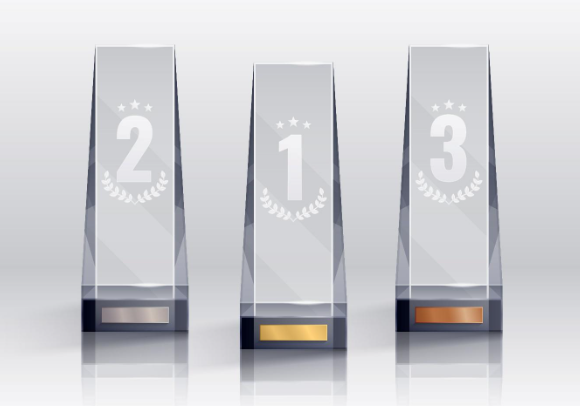
The best way to make a crystal award feel personal is to focus on meaning, not just design. When the award reflects a real story, a specific achievement, or the personality of the recipient, it becomes more than just an object; it becomes something memorable. Simple ideas like custom messages, unique shapes, or thoughtful themes can turn a standard award into something truly special.
Recognition matters, but how you present it matters even more. A generic award can feel like a formality, while a personalized one can leave a lasting impression. That’s why more organizations are moving toward thoughtful designs that feel intentional.
A crystal award, when done right, has the ability to combine elegance with emotion. It looks refined, but it can also carry a message that feels deeply personal. The key is choosing the right idea and building around it.
Let’s explore four crystal award ideas that naturally feel more personal and meaningful.
1. Story-Based Engraving Awards
One of the simplest and most powerful ideas is to focus on storytelling. Instead of using standard phrases, you create an award that tells a short story about the recipient.
For example, instead of saying “Employee of the Year,” you could write:
“For leading the team through a challenging year with resilience and clarity.”
This approach works because it highlights a specific moment or contribution. It shows that the recognition is thoughtful, not routine.
To make this even more effective:
- Keep the message clear and sincere.
- Focus on one key achievement
- Avoid overly formal or generic wording
As a result, the award feels unique to the person receiving it.
And once you start thinking in terms of stories, the next idea becomes a natural extension.
2. Role-Inspired Design Awards
Another way to add a personal touch is to match the award design to the recipient’s role or field.
For instance:
- A creative professional might receive a more abstract or artistic shape.
- A leader might receive a bold, structured design.
- A team player might receive something that symbolizes connection or unity.
This idea works because it aligns the visual design with what the person represents.
You don’t need anything overly complex. Even small design choices, like angles, curves, or layered elements can reflect a role or personality.
As a result, the award feels more thoughtful without needing extra words.
Now that design is aligned with identity, the next step is to connect it to milestones.
3. Milestone Memory Awards
Milestones are perfect opportunities to create personal awards. These could include work anniversaries, project completions, or major achievements.
What makes this idea special is the focus on time and journey.
For example, a 10-year service award could include:
- The start year and current year
- A short message about growth or impact
- A line that reflects the journey, not just the number
Instead of just marking time, you are celebrating what happened during that time.
To enhance this idea:
- Mention a key contribution or legacy
- Keep the tone warm and appreciative.
- Make the message feel reflective
This transforms the award into a reminder of progress and dedication.
From milestones, it’s a natural step to move toward individuality.
4. Personality-Focused Awards
Every recipient is different, so why not reflect that directly? Personality-focused awards are designed around who the person is, not just what they did.
For example:
- Someone known for positivity could receive an award with an uplifting message.
- A problem solver could have wording that highlights their approach.
- A quiet contributor could be recognized for consistency and reliability
This idea works because it feels genuine. It shows that the recognition goes beyond surface-level achievements.
To make it effective:
- Think about how others describe the person.
- Use simple, natural language
- Avoid exaggeration—keep it real.
When people see themselves in the award, it becomes much more meaningful.
Bringing These Ideas Together
Each of these ideas—story-based engraving, role-inspired design, milestone recognition, and personality focus—offers a different way to add a personal touch. But they don’t have to be used separately.
In fact, the best awards often combine elements from multiple ideas.
For example:
- A milestone award can include a short story.
- A personality-focused award can use a role-inspired design.
- A story-based award can highlight a key milestone.
By blending these approaches, you create something layered and thoughtful.
Why Personalization Matters More Than Ever
In today’s environment, people value recognition that feels real. Generic awards are easy to forget, but personal ones stand out.
When an award reflects effort, personality, and impact, it creates a stronger emotional connection. It shows that the recognition was earned and carefully considered.
This doesn’t require a big budget or complicated process. It simply requires attention to detail and a willingness to go beyond the basics.
Keep It Simple and Genuine
While it’s important to personalize, it’s also important not to overdo it. Too many elements can make the award feel cluttered or forced.
Instead:
- Focus on one clear message
- Choose a design with a purpose.
- Keep the wording natural and easy to read.
Simplicity often makes the biggest impact.
Key Takeaways
- Personal awards focus on meaning, not just appearance.
- Story-based engraving makes recognition more specific.
- Role-inspired designs add a thoughtful visual touch.
- Milestone awards highlight growth and journey.
- Personality-focused awards feel genuine and unique.
- Combining ideas can create a stronger impact.
- Simple and sincere designs work best.