Flake floor systems have gained significant popularity in both commercial and residential spaces due to their durability, aesthetic versatility, and functional benefits. Combining the resilience of resin-based coatings with decorative vinyl or colored flakes, flake floors provide a seamless, durable surface that can withstand heavy use while maintaining an attractive appearance. This article delves into the advantages of flake floor systems, their applications across different environments, installation processes, maintenance strategies, challenges, and key considerations for selecting the right solution for specific flooring needs.
Understanding Flake Floor Systems
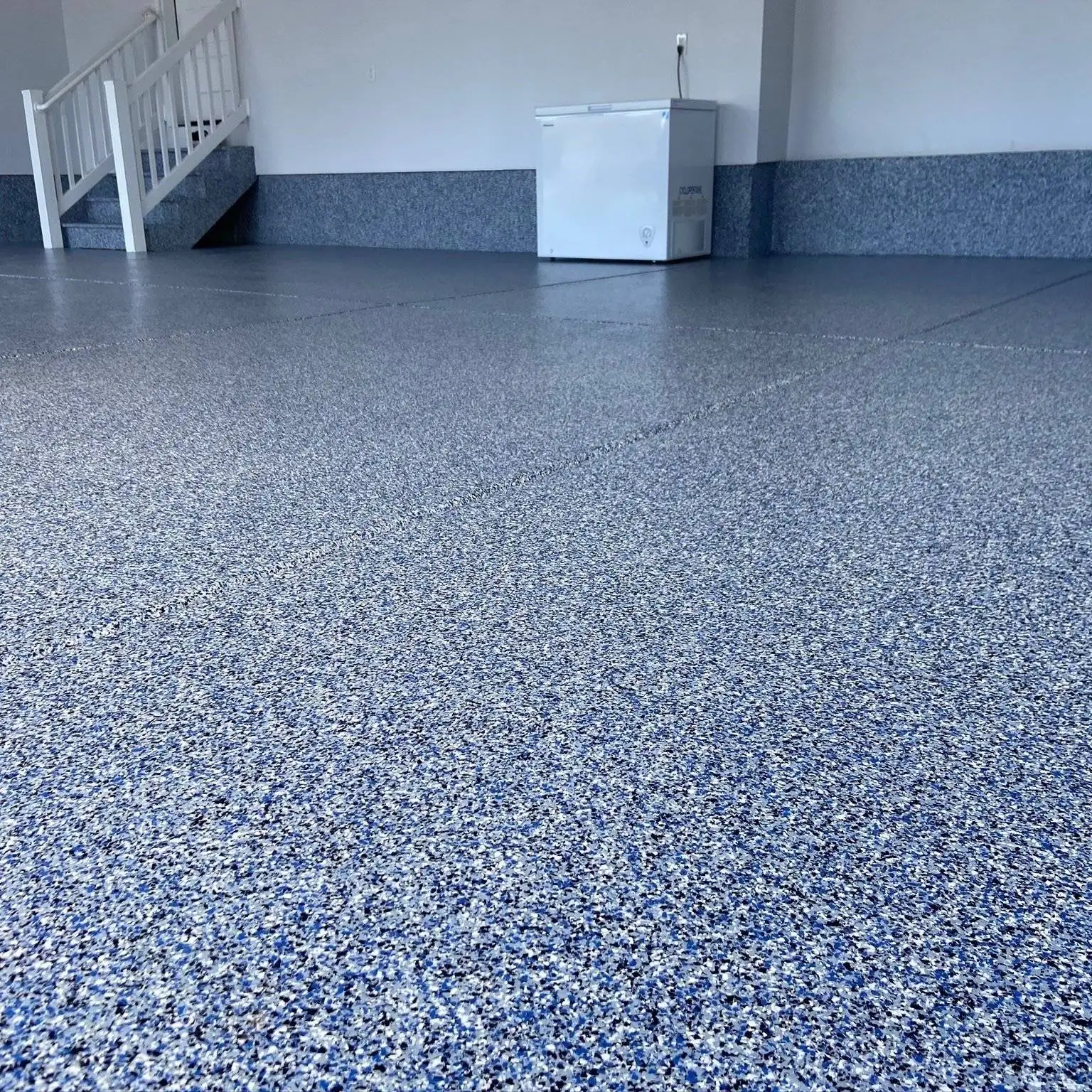
A flake floor is a type of decorative flooring system that involves the application of colored or decorative flakes embedded in a resinous coating, typically made of epoxy, polyurethane, or polyaspartic materials. These flakes are broadcast onto the wet coating surface to create a uniform and visually appealing texture. Once the resin cures, a protective topcoat is applied to enhance durability, chemical resistance, and shine, resulting in a seamless, resilient floor surface.
Flake floors are prized for their ability to combine aesthetic appeal with functional performance. Unlike traditional flooring materials, which may crack, chip, or wear unevenly over time, flake floors form a monolithic surface that resists damage from foot traffic, machinery, and environmental factors. Additionally, the customizable nature of the flake system allows for a wide range of color combinations, patterns, and finishes, enabling property owners to create unique flooring designs that complement their interiors while providing a high level of durability.
Key Benefits of Flake Floor Systems
One of the primary benefits of a flake floor is durability. The resin coating, combined with decorative flakes, produces a surface that can endure significant mechanical stress, including heavy foot traffic, rolling carts, and industrial equipment. This durability ensures a long-lasting flooring solution suitable for a wide variety of applications, reducing the need for frequent repairs or replacements.
Chemical resistance is another significant advantage. Flake floors are often used in environments where spills of oils, solvents, acids, or other chemicals are common. The resin layer acts as a barrier that protects the underlying substrate and maintains the integrity of the floor, making it ideal for industrial, laboratory, or garage settings.
Aesthetic versatility sets flake floors apart from many other types of flooring. Property owners can select from a wide array of colors, flake sizes, and patterns to achieve a customized look that enhances the visual appeal of their space. Whether seeking a modern, high-gloss finish or a subtle, natural appearance, flake floor systems offer flexibility that accommodates different design preferences.
Ease of maintenance is another key benefit. The seamless nature of flake floors prevents dirt, dust, and debris from accumulating in cracks or joints. Regular cleaning with mild detergents and water is typically sufficient to maintain the appearance and hygiene of the floor. This makes flake floors a practical choice for environments where cleanliness is critical, such as healthcare facilities, food processing areas, or residential kitchens and garages.
Slip resistance can also be integrated into flake floor systems. By selecting appropriate flakes or topcoat textures, property owners can reduce the risk of accidents in areas prone to moisture or spills. This combination of durability, aesthetics, and safety makes flake floors a versatile and reliable flooring solution.
Applications of Flake Floor Systems
Flake floors are highly adaptable and can be used in a variety of settings. Industrial environments, such as warehouses, factories, and manufacturing plants, often require resilient surfaces that can withstand mechanical wear, chemical exposure, and high traffic. Flake floor systems provide a robust solution that ensures operational efficiency while enhancing workplace aesthetics.
Commercial applications include showrooms, retail stores, offices, gyms, and hospitality spaces. In these settings, flake floors offer both durability and visual appeal, creating a professional and inviting atmosphere for clients, employees, and visitors. Customizable color patterns allow businesses to incorporate branding or interior design elements seamlessly into the flooring.
Residential applications are increasingly popular for garages, basements, kitchens, and recreational spaces. Homeowners choose flake floors for their combination of durability, ease of maintenance, and decorative appeal. A flake floor can transform a standard concrete surface into an attractive and functional area that resists stains, spills, and wear over time.
Specialized applications also include healthcare facilities, laboratories, and cleanrooms. Flake floors provide a hygienic, seamless surface that can withstand frequent cleaning and chemical exposure, meeting strict sanitation requirements. Similarly, food processing areas benefit from flake floors’ chemical resistance, ease of cleaning, and slip-resistant options, ensuring both safety and efficiency in operations.
Installation Process for Flake Floors
Proper installation is crucial to achieving the durability and aesthetic quality of a flake floor. The process begins with surface preparation, which is essential for ensuring strong adhesion and a smooth finish. Concrete or other substrate surfaces must be clean, dry, and free from oil, grease, dust, or previous coatings. Surface profiling, often achieved through mechanical grinding or shot blasting, provides a texture that enhances resin adhesion and prevents future delamination.
Next, a base coat of epoxy or another resin is applied to the prepared surface. While the coating is still wet, decorative flakes are evenly broadcast across the surface. The amount, size, and color of flakes can be tailored to achieve the desired pattern and density. Once the flakes are set, excess material is removed, and the surface is allowed to cure.
A clear topcoat is then applied to seal the flakes and create a durable, chemical-resistant surface. This final layer not only protects the decorative elements but also enhances the floor’s sheen, slip resistance, and overall performance. The curing time for flake floors can vary depending on the type of resin used, environmental conditions, and system thickness. During this period, the floor must be protected from foot traffic, moisture, and dust to ensure optimal results.
Maintenance of Flake Floors
Maintaining a flake floor is relatively straightforward due to its seamless and resilient nature. Regular cleaning with a mild detergent, warm water, and soft cleaning tools is typically sufficient to remove dirt, dust, and spills. For high-traffic or industrial environments, periodic deep cleaning may be required to prevent the accumulation of oils, chemicals, or debris that could impact the floor’s appearance and performance.
Periodic inspections help detect minor scratches, chips, or surface damage before they worsen. Small repairs can often be completed with touch-up resin, while larger issues may require professional intervention. Applying a protective topcoat periodically can extend the life of the flake floor, enhance chemical resistance, and maintain a glossy finish.
Preventative measures, such as using protective mats under heavy machinery or furniture, can also help minimize wear and tear. By following proper cleaning and maintenance practices, flake floors can retain their durability, functionality, and visual appeal for many years.
Challenges and Considerations
While flake floors offer numerous advantages, certain challenges should be considered to ensure successful installation and long-term performance. Surface preparation is a critical step, as improper cleaning or profiling can result in poor adhesion, bubbles, or delamination over time. Environmental conditions, such as temperature and humidity, also affect curing and may impact the final quality of the floor.
Choosing the right type of resin and flake system for the intended environment is another important consideration. Some formulations are better suited for heavy industrial use, while others focus on decorative appeal or slip resistance. Professional guidance is recommended to select the appropriate system and ensure proper application.
Safety during installation is also essential. Resin systems can emit fumes and contain chemicals that may irritate skin or respiratory systems. Adequate ventilation, personal protective equipment, and adherence to manufacturer instructions are critical to protect installers and ensure a safe working environment.
Design Flexibility and Customization
One of the standout features of flake floors is their design flexibility. Property owners can choose from a vast range of flake colors, sizes, and blends to create unique patterns, textures, and visual effects. Multi-colored flake blends can be used to mask dirt or wear in high-traffic areas, while metallic or quartz-infused flakes can add a luxurious, modern look.
Flake floors can also be tailored to functional requirements, such as slip resistance, UV stability, or chemical resistance. This versatility allows architects, designers, and property owners to meet both aesthetic and practical needs without compromising durability. Additionally, flake floors can be integrated with existing flooring systems, providing an attractive and functional upgrade for older or worn surfaces.
Conclusion
Flake floor systems offer a versatile, durable, and visually appealing solution for a wide range of environments. Their combination of seamless design, chemical resistance, mechanical durability, and customizable aesthetics makes them suitable for industrial, commercial, and residential applications. Proper installation, surface preparation, and maintenance are essential to maximize the performance and longevity of a flake floor, while careful selection of resin type, flake blend, and topcoat ensures the best results for each specific setting. Investing in professional flake floor solutions provides property owners with a long-lasting, functional, and stylish surface that meets both practical and design objectives, offering an ideal balance of performance, safety, and beauty for modern flooring needs.