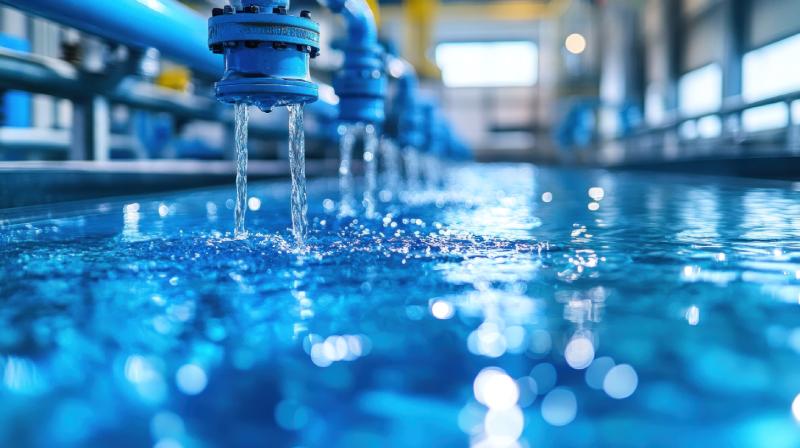
Clean and safe water is critical for the smooth operation of commercial facilities, ranging from restaurants and hotels to manufacturing plants and healthcare centers. Commercial water treatment ensures that water used in these facilities meets regulatory standards for safety, taste, and performance. With advances in technology, modern commercial water treatment systems are becoming increasingly efficient, cost-effective, and environmentally friendly. These innovations not only improve water quality but also optimize operational efficiency and reduce long-term maintenance costs.
Advanced Filtration Systems
One of the cornerstones of modern commercial water treatment is advanced filtration. Traditional methods, such as sand or carbon filters, are being supplemented or replaced by high-efficiency systems capable of removing smaller particles, bacteria, and chemical contaminants. Reverse osmosis (RO) systems, for example, are widely used in commercial facilities to remove dissolved solids, heavy metals, and impurities from water. Ultrafiltration (UF) membranes provide another layer of protection by filtering out bacteria, viruses, and suspended solids. These advanced filtration technologies ensure high-quality water for both operational and consumption purposes, reducing health risks and improving overall facility efficiency.
Automated Water Monitoring and Control
Modern commercial water treatment systems increasingly rely on automated monitoring and control technologies. Sensors and smart meters can continuously track water quality parameters such as pH, turbidity, chemical levels, and flow rates. These systems automatically adjust treatment processes in real time to maintain optimal water quality. Automation reduces the need for manual intervention, minimizes human error, and allows facility managers to detect potential problems early, preventing downtime and costly repairs. By providing continuous oversight, automated systems improve operational efficiency and ensure consistent water quality.
Energy-Efficient Treatment Technologies
Energy efficiency is a major focus in modern water treatment systems. Technologies such as energy-recovery devices in reverse osmosis systems, variable-speed pumps, and optimized filtration cycles help reduce energy consumption without compromising water quality. Implementing energy-efficient solutions not only lowers utility costs but also reduces the facility’s carbon footprint, aligning with sustainability goals. Many commercial water treatment providers now offer systems designed to minimize energy usage while maintaining high performance, making them both economically and environmentally beneficial.
Chemical-Free Water Treatment Options
Traditional water treatment often relies heavily on chemicals for disinfection and scale prevention, which can increase operational costs and pose environmental concerns. Modern technologies provide chemical-free alternatives, such as ultraviolet (UV) disinfection and ozonation. UV systems eliminate bacteria, viruses, and other pathogens without adding chemicals to the water, ensuring safe and clean water while reducing chemical handling risks. Ozone treatment is another advanced solution, providing powerful oxidation to remove contaminants efficiently. These chemical-free methods are particularly advantageous in facilities where water safety and environmental sustainability are priorities.
Smart Filtration and Scale Prevention
Scaling, caused by mineral buildup in pipes and equipment, can reduce efficiency and increase maintenance costs in commercial facilities. Modern water treatment systems incorporate smart filtration and anti-scaling technologies that monitor mineral concentrations and automatically adjust treatment processes. Electronic water conditioners and template-assisted crystallization (TAC) systems prevent scale formation without the need for traditional water softeners or harsh chemicals. By preventing scale, these technologies extend the lifespan of equipment, improve heat transfer efficiency, and reduce operational interruptions.
Data-Driven Water Management
Integration of data analytics and cloud-based management tools is transforming commercial water treatment. Facility managers can now access real-time data, generate reports, and predict maintenance needs using advanced software platforms. Data-driven insights help optimize treatment schedules, detect anomalies, and plan preventative maintenance. This predictive approach improves operational efficiency, reduces unexpected downtime, and ensures regulatory compliance by keeping water quality within required standards consistently.
Environmental Sustainability and Regulatory Compliance
Modern water treatment technologies are designed with sustainability and compliance in mind. Systems are engineered to minimize water waste, reduce energy consumption, and limit chemical usage. Compliance with local and federal water quality standards is easier to maintain through automated monitoring and reporting features. By adopting modern water treatment technologies, commercial facilities can achieve operational efficiency while meeting environmental and safety regulations, enhancing their reputation and reducing potential legal risks.
Benefits of Modern Commercial Water Treatment
Adopting modern water treatment technologies provides several benefits to commercial facilities:
- Consistent Water Quality: Ensures safe, clean water for consumption, cleaning, and industrial processes.
- Operational Efficiency: Reduces downtime, extends equipment lifespan, and lowers maintenance costs.
- Cost Savings: Energy-efficient and chemical-free systems lower utility and treatment costs.
- Environmental Responsibility: Reduces chemical usage, water waste, and carbon footprint.
- Regulatory Compliance: Automated monitoring and reporting help meet local, state, and federal regulations.
Conclusion
Modern technologies in commercial water treatment are revolutionizing how businesses manage water quality and operational efficiency. From advanced filtration systems and chemical-free disinfection to automated monitoring and energy-efficient solutions, these innovations help facilities maintain high standards while reducing costs and environmental impact. By investing in modern commercial water treatment, businesses can ensure safe, reliable, and sustainable water for all their operations, enhancing both performance and reputation.