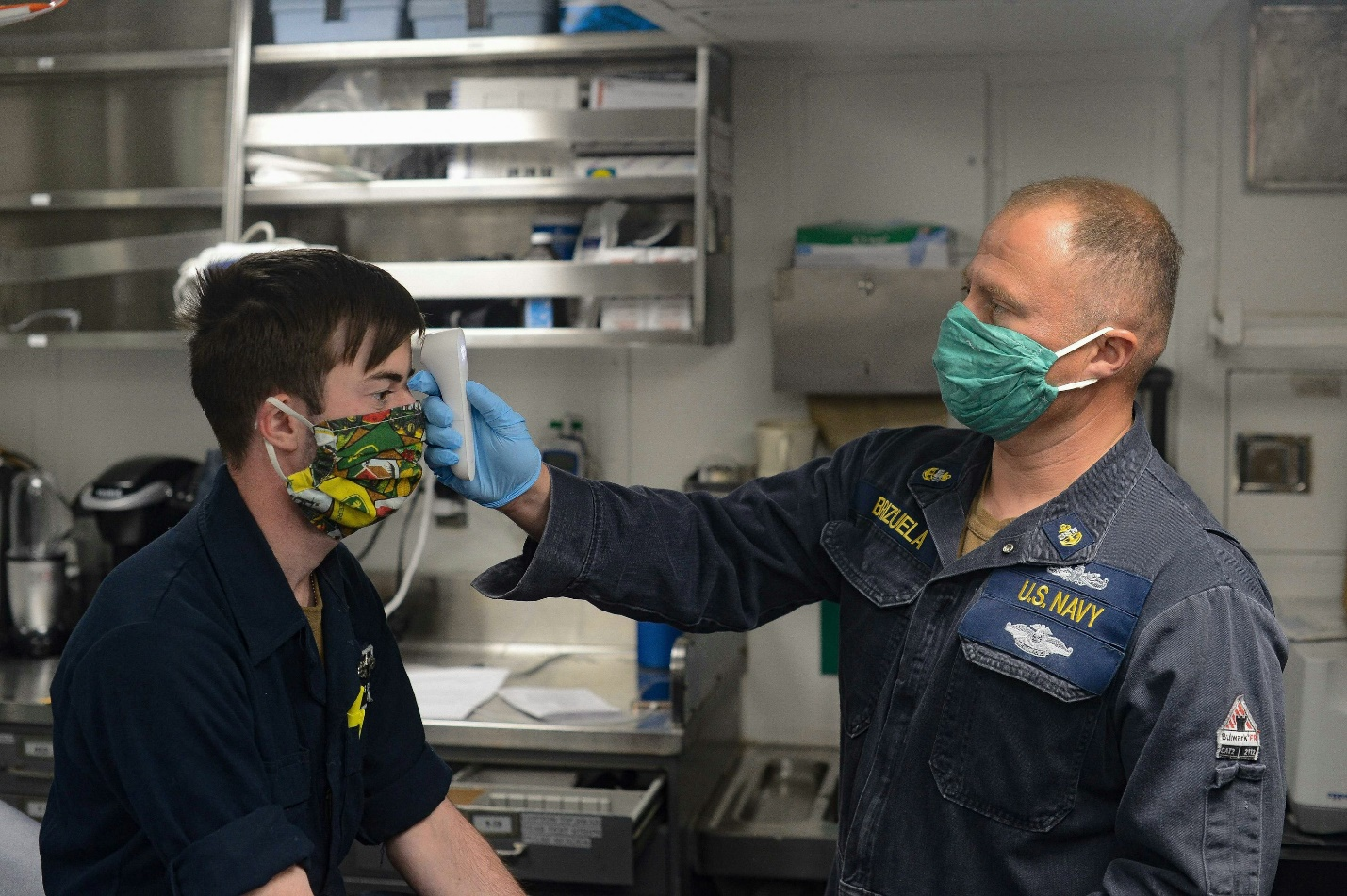
Health and safety often get reduced to checklists or workplace policies, but they play a much bigger role in how we feel day to day. A holistic view of safety looks at the full picture, including how our surroundings at home, work, and in public spaces affect both physical and mental well-being. When people feel secure in their environment, they tend to experience less stress, better focus, and improved overall health.
This awareness becomes even more important as modern lifestyles blur the lines between work and home. Long hours at desks, shared spaces, and constant exposure to environmental factors like lighting and air quality all influence how we function. Understanding these elements allows individuals to make small but meaningful adjustments that improve comfort and reduce long-term risks.
From Awareness to Expertise: Building a Strong Foundation in Health and Safety
Most people start with simple safety habits like keeping spaces clean or following basic guidelines at work. These actions matter, but they often rely on observation rather than a full understanding of risk. Without deeper knowledge, it can be difficult to identify less obvious hazards or predict how small issues might develop into larger problems.
As responsibilities grow, so does the need for a more structured approach to safety. Understanding how to evaluate risks, implement standards, and design preventative systems requires formal training. This is where pursuing a degree in occupational health and safety becomes a practical next step for those looking to make a meaningful impact. Programs like those offered by Southeastern Oklahoma State University are delivered online, making them accessible to working professionals who need flexible scheduling while continuing their careers. This format allows learners to build expertise without putting their current responsibilities on hold.
The Psychological Benefits of a Hazard-Free Environment
A clean, organized environment directly affects mental clarity. When people are not distracted by clutter or potential hazards, they can focus more easily on tasks and feel more in control of their surroundings. This sense of order often reduces stress and supports better decision-making throughout the day.
Feeling safe also influences emotional well-being in subtle ways. People who trust their environment tend to sleep better, experience less anxiety, and engage more confidently with others. Over time, these benefits contribute to improved productivity and greater overall stability.
Ergonomics and Physical Longevity in the Modern Workspace
Many modern health issues stem from how people interact with their workspaces. Poor posture, repetitive movements, and poorly designed setups can lead to discomfort that gradually becomes chronic pain. Paying attention to ergonomics helps prevent these issues before they become serious.
Simple changes can make a significant difference. Adjusting chair height, positioning screens at eye level, and taking regular movement breaks all support better physical health. When people prioritize these habits, they reduce strain on their bodies and create a more sustainable way to work over the long term.
Identifying Hidden Household Risks That Affect Health
Many health risks at home are easy to overlook because they are not immediately visible. Poor air quality, for example, can result from dust, mold, or inadequate ventilation. Over time, this can affect breathing, energy levels, and even sleep quality without clear warning signs.
Lighting is another factor that is often overlooked. Dim or harsh lighting can strain the eyes and increase the chance of accidents. Simple fixes, such as improving visibility and clearing walkways, can reduce trip hazards and create a safer, more comfortable living space.
The Ripple Effect: How Workplace Safety Culture Shapes Personal Habits
Workplace habits tend to carry over into daily life. When people are trained to recognize risks and follow safety procedures at work, they often apply the same mindset at home. This can lead to better organization, more awareness of surroundings, and fewer preventable accidents.
A strong safety culture also reinforces consistency. Regular reminders, training sessions, and leadership support help people internalize safe behaviors. Over time, these habits become automatic, shaping how individuals approach health and safety in every environment they enter.
Preventative Health Measures vs. Reactive Treatments
Preventive health focuses on reducing risks before problems occur. This includes regular safety checks, proper use of equipment, and maintaining clean, organized spaces. These small actions can significantly lower the chance of injury or illness over time.
Reactive approaches, on the other hand, deal with issues after they arise. While treatment is necessary, it often involves higher costs, longer recovery periods, and added stress. Prioritizing prevention allows individuals to stay healthier and avoid disruptions to their daily routines.
The Future of Community Safety and Public Health Advocacy
Communities are placing more emphasis on shared responsibility for health and safety. Public awareness campaigns, improved regulations, and access to education are helping people better understand how their actions affect others.
Technology is also playing an increasingly important role. Data tracking, smart systems, and improved communication tools make it easier to identify risks and respond quickly. As more people gain knowledge and take part in safety initiatives, communities become more resilient and better prepared.