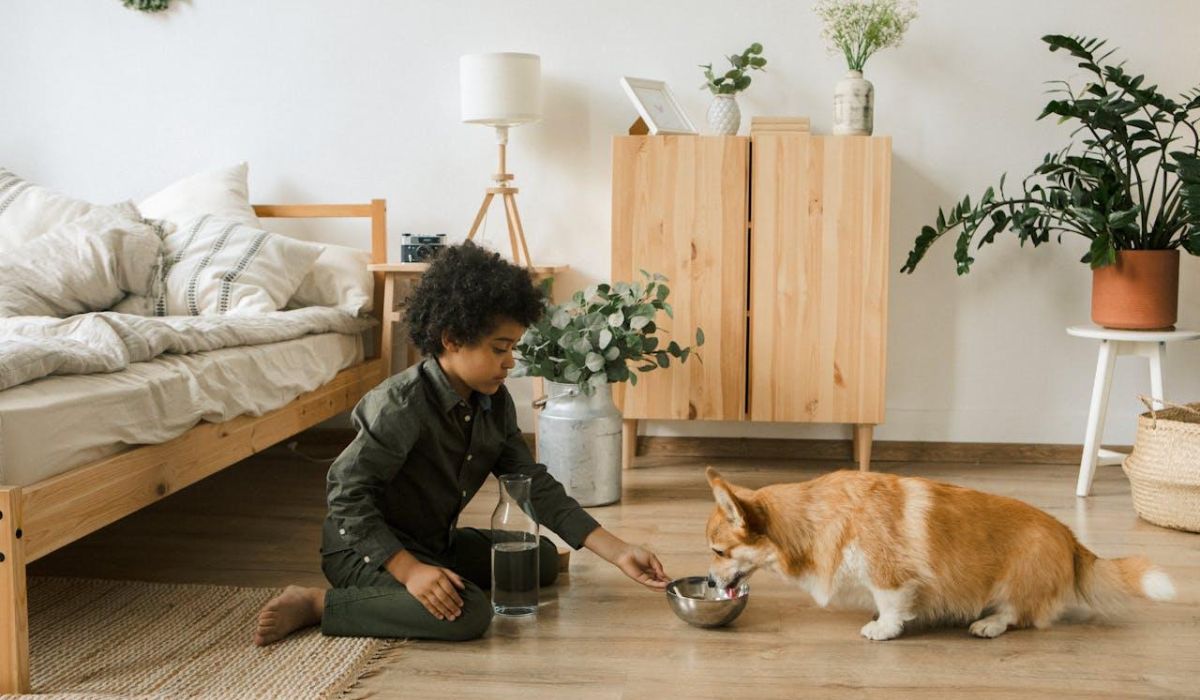
Getting a family pet means more than just cuddles and playtime. It’s also a chance to teach your kids what it means to be responsible for another living being. When children learn to care for a pet, they develop empathy, routines, and a sense of accountability that sticks with them.
Assign Age-Appropriate Tasks
Kids need tasks they can handle without feeling overwhelmed. A toddler can help fill a water bowl with supervision, while a seven-year-old might scoop kibble into a dish. Older children can take on more involved responsibilities, like cleaning cages or taking the dog for a walk around the block.
The goal is to match the task to their ability, so they feel capable and confident. When tasks are too easy, kids lose interest. When they’re too hard, frustration sets in. Find that sweet spot where they can succeed with just a little effort.
Let Them Earn Pet Privileges through Responsibility
If your child wants to take the dog to the park or let the hamster run around in its ball, tie those privileges to consistent care. When they finish their tasks for the week without being reminded, they earn the fun stuff.
This teaches cause and effect in a tangible way. They see that taking care of the pet leads to more quality time together. For regular upkeep like coat maintenance, you can also visit professionals for dog grooming in Cypress, TX, to keep your pet looking and feeling great.
Woof Gang Bakery & Grooming offers services that help busy families stay on top of grooming needs, so you can focus on teaching the daily care habits that matter most.
Teaching Gentle Hands before Rough Play Starts
Young kids don’t always understand that pets aren’t toys. They might pull tails, hug too tightly, or pick up small animals in ways that cause stress. Before any interaction, show them how to pet gently and approach slowly. Use your own hands to demonstrate soft strokes and calm movements.
Let them practice on a stuffed animal first if needed. The earlier you set these expectations, the safer and more comfortable your pet will be.
Show Kids How to Read the Pet’s Mood and Signals
Animals communicate through body language, and kids need to learn how to read it. Teach them that a wagging tail doesn’t always mean happy, and that a cat’s flattened ears are a sign to back off. Point out when the dog is panting after a walk or when the rabbit thumps its foot.
Help them connect those signals to what the pet might be feeling. Over time, they’ll start noticing on their own and adjust their behavior accordingly.
Model Calm Behavior That Kids Will Mirror
Kids watch everything you do. If you’re patient and gentle with the pet, they’ll follow your lead. If you get frustrated or rough, they’ll pick up on that, too. Show them how you handle feeding, grooming, and playtime with care and consistency.
Talk through what you’re doing and why. When mistakes happen, like forgetting to refill the water bowl, model how to fix it without making a big deal.
Conclusion
Teaching kids how to care for a family pet is really about helping them build empathy, responsibility, and confidence through everyday actions. When children are given age‑appropriate tasks, they learn that caring for another living being requires consistency and attention. Tying fun privileges to responsible behavior reinforces the idea that good care has meaningful rewards. Showing them how to use gentle hands, read a pet’s body language, and stay calm during interactions helps keep both kids and animals safe while strengthening their bond. And when you model the behaviors you want them to follow, you create a home environment where compassion and respect become the norm. With patience, guidance, and clear expectations, kids grow into thoughtful caregivers—and your family pet benefits from a lifetime of kindness and understanding.