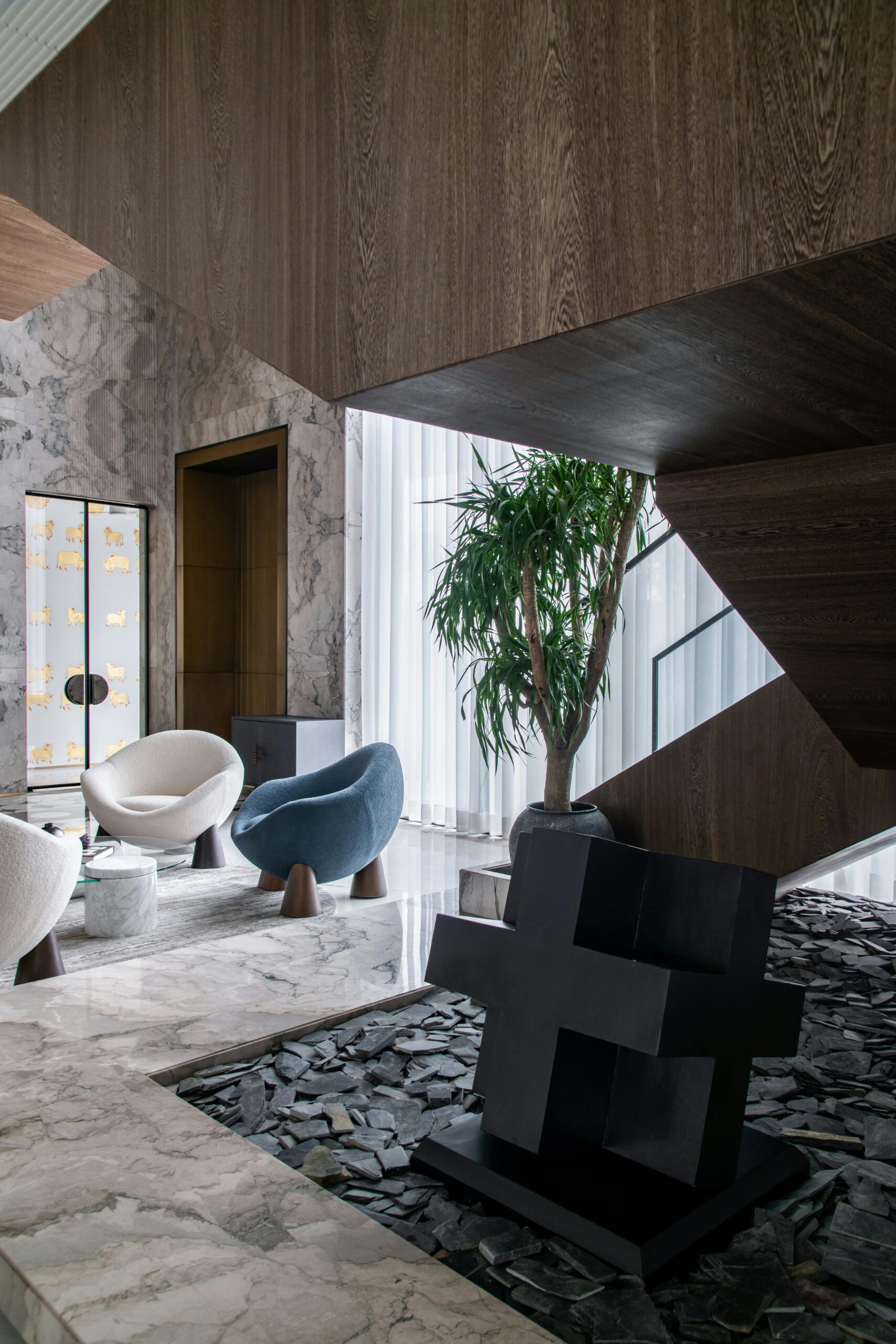
Why Comfort Matters in Modern Interior Design
Modern interior design has shifted toward creating spaces that feel welcoming, functional, and emotionally grounding. Homeowners increasingly prioritize comfort because daily life demands environments that support relaxation and well-being. Comfortable spaces help reduce stress and make homes feel more personal and lived-in. Designers now focus on elements such as soft textures, warm lighting, and ergonomic furniture to enhance everyday comfort. This approach does not sacrifice aesthetics; instead, it blends beauty with practicality. As lifestyles evolve, comfort has become a central pillar of thoughtful interior design.
The Role of Style in Creating Cohesive Interiors
While comfort is essential, style remains a defining factor in shaping a home’s identity. A cohesive design style helps unify the space and create visual harmony. Whether the aesthetic leans modern, transitional, or eclectic, style guides decisions about color palettes, materials, and furniture choices. Designers use style to express personality and create a sense of flow from room to room. A well-defined style also helps homeowners make confident decisions when selecting décor. When comfort and style work together, the result is a home that feels both beautiful and functional.
Blending Materials, Colors, and Textures
Achieving balance requires thoughtful layering of materials, colors, and textures. Soft textiles, natural woods, and warm metals can create a rich sensory experience without overwhelming the space. Designers often use neutral palettes as a foundation, then introduce color through accents like pillows, artwork, or rugs. Textures play a major role in adding depth and visual interest, especially in minimalist spaces. Mixing smooth and rough surfaces helps create contrast that feels intentional and inviting. This layering technique allows homeowners to personalize their spaces while maintaining a cohesive design.
Creating Functional Layouts That Support Daily Living
A well-designed space must support the way people live. Functional layouts ensure that rooms are easy to navigate and that furniture placement enhances comfort rather than restricting movement. Designers consider how each room is used, how people interact within the space, and what features will make daily routines easier. Storage solutions, multipurpose furniture, and thoughtful traffic flow all contribute to a functional environment. When comfort and style are integrated into the layout, the home becomes more enjoyable and efficient. This balance helps create spaces that feel both practical and visually appealing.
The Influence of San Francisco Interior Designers
Many homeowners look to San Francisco interior designers for inspiration because of their ability to blend comfort and style seamlessly. These designers are known for creating spaces that feel modern yet warm, sophisticated yet approachable. Their work often incorporates natural materials, layered textures, and thoughtful color palettes that reflect the region’s connection to nature and contemporary culture. They prioritize livability, ensuring that homes are not only beautiful but also functional for everyday use. Their design philosophy emphasizes balance, harmony, and a strong sense of place. This influence has shaped national trends and encouraged more homeowners to embrace designs that feel both stylish and comfortable.
Conclusion
Designing spaces that balance comfort and style requires thoughtful choices about materials, layout, and overall aesthetic direction. When these elements work together, they create homes that feel inviting, functional, and visually cohesive. Comfort enhances daily living, while style brings personality and structure to the space. As homeowners continue to seek environments that support well-being and self-expression, the balance between comfort and style will remain central to modern interior design. With careful planning, any space can achieve this harmonious blend.