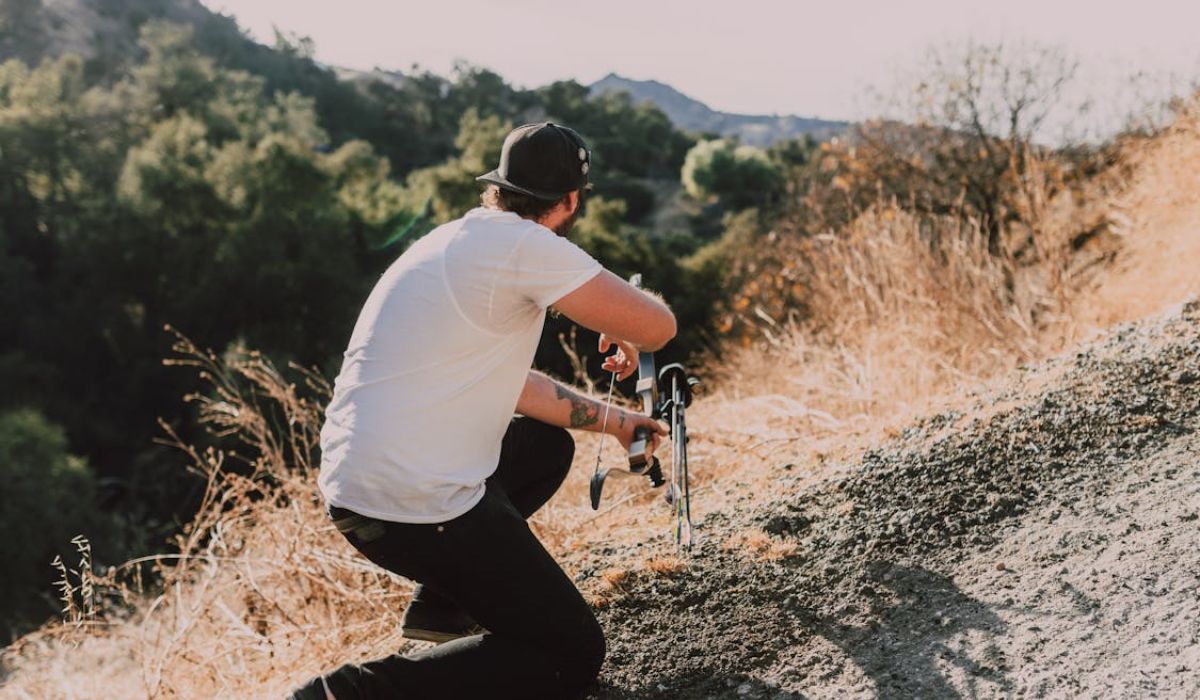
Extended hunting trips tend to reveal everything you got right and everything you got wrong pretty quickly. The first day usually feels manageable. By the second or third, small choices start to stand out. Weight sits more heavily, sleep quality becomes noticeable, and even simple tasks take a bit more effort. The body keeps score in a quiet way, and every decision begins to show its impact.
What keeps a trip steady isn’t just endurance. It’s how well movement and recovery work together. A hunter who can move efficiently during the day and recover properly at night will last longer in the field. This balance doesn’t come from packing more or packing less, but from carrying what actually supports both sides of the trip without getting in the way of either.
Shelter Choices Influence the Entire Trip
The kind of shelter you carry affects more than just where you sleep. It changes how the day ends and how the next one begins. After a long hike, a complicated setup can drain what little energy is left. A simple setup leaves room to settle in quickly, eat, and rest without dragging out the process.
Hunting tents become part of that decision through how they handle both weight and practicality. A compact tent that sets up in a few minutes allows a hunter to stop where it makes sense instead of pushing farther just to justify carrying heavier gear. In rough weather, quick setup matters even more. Wind, cold, or fading light can turn setup into a stressful task if the gear isn’t straightforward. A well-chosen tent keeps things steady and predictable at the end of the day.
Camp Movement Follows the Ground
Terrain has a way of deciding how often the camp gets moved. Steep ridges, thick brush, and uneven ground take more out of you than expected. After a full day in that kind of environment, the idea of packing everything up and moving the next morning again feels heavier than it did during planning.
In those conditions, hunters often stay in one place longer and work outward from camp. Energy gets used on covering ground during the hunt rather than relocating everything. In open terrain, movement feels different. Covering distance takes less effort, and shifting camp becomes part of the routine.
Pack Weight Becomes Real After Day One
Packing always feels reasonable at the start. Each item has a purpose. Each addition feels justified. Once the miles start adding up, that same pack begins to feel different. Weight settles into your shoulders and hips, and small climbs start taking more effort than expected.
Hunters start noticing what actually gets used. Items that stay buried in the pack begin to feel unnecessary. After some time, packing decisions become sharper. A lighter pack doesn’t mean going without, but carrying what gets used often and leaving behind what doesn’t contribute to the day.
Clothing Affects Movement All Day
Clothing choices show up in how freely you can move. Heavy layers can slow you down, especially during long hikes or climbs. At the same time, poor layering can leave you uncomfortable in changing conditions. The goal becomes finding pieces that adjust easily without adding bulk.
Lightweight layers that can be added or removed quickly tend to work best. A thin outer layer that cuts the wind can replace something heavier. A base layer that handles sweat keeps things comfortable during movement and rest. Hunters often refine this over time, learning which pieces stay in use and which ones stay packed away.
Food Supports the Day Without Slowing It Down
Food choices start to matter once the trip settles into a flow. Large meals can feel heavy, and long stops break momentum. Hunters often lean toward smaller, high-energy options that can be eaten without stopping for too long.
Things like dried meat, nuts, and compact meals become part of the routine. Eating happens during short pauses rather than full stops. This keeps energy steady without interrupting the flow of the day.
Limiting Gear That Doesn’t Get Used
Extra gear usually feels harmless at the start. It sits in the pack with a purpose in mind, though its value becomes questionable once the trip settles into a routine. After a couple of days, anything that hasn’t been touched starts to feel like something that didn’t need to be there.
Hunters begin trimming that instinct over time. Items that serve one rare purpose often get left behind on future trips. The focus shifts toward gear that earns its place every day. That might mean carrying fewer tools, fewer backups, and fewer extras that seemed useful during planning.
Footwear Decides How Far You Can Go
Footwear becomes one of the most important choices once the miles start adding up. Long hikes across uneven ground bring out every weakness in a boot or shoe. A poor fit or lack of support shows up quickly, and it doesn’t take long before discomfort starts affecting pace.
Hunters pay attention to how their feet hold up across full days, not just short distances. A reliable pair of boots allows steady movement without constant adjustment or hesitation. Good support reduces fatigue and helps maintain balance on rough terrain. Over several days, this consistency makes a noticeable difference in how far someone can go and how they feel doing it.
Rest Comes in Small Windows
Rest often shows up in shorter pauses throughout the day. Sitting down for a few minutes, leaning against a tree, or stopping to eat becomes part of how energy is managed.
Hunters learn to use those small windows effectively. A short pause at the right time can keep energy steady and prevent a bigger slowdown later. Terrain plays a role in this as well. Steeper sections may call for more frequent pauses, while flatter ground allows longer stretches of movement.
Pace Adjusts with Fatigue
The body starts setting the pace after a couple of days in the field. Muscles carry the weight of the pack, and energy levels shift based on how much effort each day requires. A pace that felt strong early on may begin to slow as fatigue builds.
Hunters respond to this by adjusting how they move. Some days involve covering more ground, while others focus on maintaining a steady pace without pushing too hard. Listening to the body becomes part of the process.
Balancing mobility and comfort during extended hunting trips comes down to how well each decision supports both movement and recovery. Shelter, gear, pace, and routine all connect to how the body holds up across multiple days.