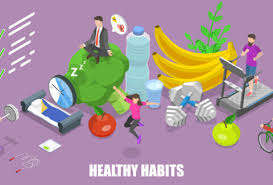
Most people have tried to change something about their health at some point. Maybe it was waking up earlier, eating better, moving more, or simply drinking more water throughout the day. And most people know what it feels like when those efforts quietly fall apart a few weeks in.
The truth is, building habits that actually stick is less about willpower and more about understanding how lasting change really works. The good news is that the science behind behavior change is well understood, and the path forward is more straightforward than most people expect. Small, deliberate shifts made consistently over time have a far greater impact than any dramatic overhaul ever could.
Why Most Health Routines Fall Apart Before They Begin
There is a reason so many people start strong and burn out fast. They overhaul everything at once. New diet, new workout plan, new sleep schedule, all starting Monday. The body and the brain both resist dramatic, sudden change. That level of effort is unsustainable, and the moment one part slips, the whole structure tends to collapse.
When people look for a more structured and thoughtful approach to long-term change, they often explore the holistic weight loss program by Elite Personalized Medicine, which is built around the idea that real, lasting results come from addressing the root causes of weight gain rather than applying a one-size-fits-all solution.
That philosophy applies whether you are trying to lose weight, sleep better, feel more energetic, or simply take better care of yourself day to day.
Start Smaller Than You Think You Should
The single biggest mistake people make when building new habits is starting too big. If you want to exercise regularly, do not start with an hour a day. Start with ten minutes. If you want to eat better, do not overhaul every meal. Start with one. Tiny actions require almost no motivation to begin, which means you actually do them consistently.
What matters more than the size of the action is how often you repeat it. A ten-minute walk every single day for a month does far more for your long-term health than an intense two-week fitness push followed by nothing. Consistency builds the neural pathways that eventually make a behavior feel automatic rather than forced. Once something becomes automatic, it stops draining your energy every time you do it.
Think of it as laying one brick at a time rather than trying to build the entire wall in a single afternoon. The wall still gets built, and it holds up far better because the foundation was never rushed.
Attach New Habits to Existing Ones
One of the most reliable ways to make a new behavior stick is to anchor it to something you already do every day. This approach works because you are borrowing the momentum of a routine that is already well established. If you already brew coffee every morning, that moment becomes a powerful anchor. You could use it to take your vitamins, write down one intention for the day, or drink a full glass of water before anything else.
The key is keeping the connection logical and the new action genuinely simple. The more naturally the new habit fits alongside the existing one, the less mental resistance you will face each time. Over weeks, the two actions begin to feel like one.
Your Environment Shapes Your Behavior More Than You Realize
People tend to overestimate how much of their behavior comes from conscious decision-making. A significant amount of it comes from what is simply in front of them at any given moment. If there is fruit on the counter and chips tucked away in a cabinet, you will reach for the fruit far more often without even thinking about it. If your running shoes are sitting by the front door, you are considerably more likely to use them.
Designing your environment to make healthy choices easier is one of the highest-impact things you can do for your long-term wellbeing. Remove friction from the habits you want to build and add friction to the ones you are trying to reduce. This is not about having more discipline. It is about creating a setup that quietly works in your favor rather than against you.
Rest and Recovery Are Not Optional
Sleep often gets treated as something to sacrifice when life gets busy or demanding. That is entirely backwards. Sleep is when your body repairs muscle tissue, when your brain consolidates what you have learned, and when your hormones find their balance. Chronically poor sleep makes every other health habit significantly harder to maintain. It disrupts hunger signals, drains energy levels, clouds your mood, and weakens the decision-making you rely on throughout the day.
Building healthy habits means treating sleep as a genuine priority rather than an afterthought you deal with when everything else is done. A consistent bedtime, a cool and dark room, and cutting back on screens in the hour before bed are unglamorous changes. But they are genuinely powerful ones that ripple into every other area of your health.
Progress Is Not Always Linear
There will be stretches where nothing seems to be working. You will miss days. You will make choices you wish you had not made. You will have weeks that feel like a complete step backward. These moments are not signs that you have failed or that the effort was wasted. They are a completely normal part of any meaningful long-term change.
The goal is not perfection. It is returning to your habits quickly after a setback instead of letting one difficult day become a reason to abandon everything you have built. People who develop lasting health habits are not the ones who never slip. They are the ones who slip, acknowledge it without excessive self-judgment, and get back on track without making it a bigger deal than it needs to be.
Over time, the habits you have been carefully building stop feeling like effort. They become part of how you simply live. That shift, from conscious struggle to quiet routine, is what lasting health actually looks like in practice.